

Financial Risk Management Explained
📊 Dive into financial risk management to grasp key concepts, types of risks, and practical tools that help businesses in Kenya manage and reduce losses.
Edited By
Benjamin Foster
Natural disasters like floods, droughts, earthquakes, and storms are more than just headline news in Kenya — they shape how businesses and investors think about risk every day. When the 2018 floods hit western Kenya, many traders saw supply chains disrupted and sales plummet. These events remind us that risk management cannot be a one-size-fits-all checklist. Instead, it needs to reflect the unpredictable nature of these disasters.
Understanding the local patterns of natural hazards helps businesses identify where vulnerabilities lie. For instance, companies operating in regions prone to drought, such as parts of Eastern Kenya, must rethink water resource management and backup plans to keep production running during dry spells. Similarly, firms in Nairobi have had to adjust after floods caused by heavy rains affected transport corridors crucial for goods delivery.

The direct impact of natural disasters on operations demands that risk management strategies move beyond theoretical frameworks to practical, location-specific actions.
Effective risk management starts with a clear identification of disaster types relevant to the business location. Next comes evaluating how severe these risks can be and what knock-on effects they might trigger — like how floods can lead to power outages, affecting not just production but also communication channels.
Businesses need to develop comprehensive control measures tailored to these risks. This includes investing in infrastructure upgrades, such as better drainage systems, or diversifying supply sources to reduce dependency on one region. It also means cultivating strong communication networks that can quickly alert staff and customers about interruptions.
Some practical steps Kenyan businesses can take include:
Developing early warning systems based on weather forecasts and local disaster reports.
Training staff on emergency response to ensure safety and quick recovery.
Securing business interruption insurance that covers natural disaster losses.
Collaborating with local community groups to strengthen overall resilience.
These approaches not only limit financial loss but also build trust among customers and partners, showing that the business is prepared to face disruptions head-on. Traders and investors who grasp this dynamic can identify opportunities and avoid hidden pitfalls caused by poor risk preparedness.
In summary, natural disasters directly influence risk management by forcing organisations in Kenya to adopt strategies that are realistic, adaptive, and closely tied to their operating environment. This makes their businesses stronger and better positioned to bounce back after the next heavy rains or unexpected quake.
Understanding natural disasters is key for traders, investors, and analysts, especially in regions like Kenya where these events have direct effects on markets and businesses. Knowing the types of disasters, their causes, and local patterns helps organisations spot risks early and plan accordingly. For example, a flood in western Kenya can disrupt transport routes and impact supply chains, raising costs and delaying deliveries.
Businesses that account for natural disaster risks can better protect assets, maintain operations, and avoid unexpected losses. This overview highlights the common disasters Kenya faces and how these events expose weaknesses in organisational setups, guiding smarter risk management.
Flooding in Kenya typically results from heavy rains during the long and short rainy seasons. Areas like Lake Victoria Basin and along the Tana River frequently experience flash floods that damage farms, roads, and homes. For businesses, floods mean damaged physical infrastructure and disruptions to transport, leading to delayed deliveries and increased repair costs. Firms dependent on agriculture or regional supply chains suffer most.
Drought is a persistent challenge, especially in arid counties such as Turkana and Marsabit. Prolonged dry spells reduce water availability and food supply, straining local economies and disrupting industries relying on natural resources. Investors in agriculture, livestock, and energy face revenue drops as production falls. For instance, the prolonged drought from 2016 to 2019 reduced maize output considerably, pushing up food prices and affecting household budgets.
Though less frequent, earthquakes around the Rift Valley can cause significant damage. The 2007 Ewaso Ng'iro earthquake highlighted vulnerabilities in building standards and infrastructure resilience. Organisations near seismic zones need to assess their physical risk carefully, as damage to facilities or transport networks could halt operations and require costly rebuilding.
Storms with strong winds often accompany Kenya’s rainy seasons, affecting coastal and inland regions. These events can knock down power lines, damage buildings, and interrupt communication networks. Businesses with weak structural risk controls or inadequate backup systems may face extended downtime.
Natural disasters threaten the physical assets of organisations directly. Floods might swamp warehouses, while strong winds can damage roofs or power supplies. In Nairobi, for instance, flash floods have led to power outages disrupting offices and retail outlets. Without proper infrastructure design or reinforcement, repair costs skyrocket, and business continuity is jeopardised.
Disasters often break supply chains by blocking roads, ports, or causing suppliers to halt production. A flood in Kisumu might delay shipments to Nairobi, affecting stock availability for retailers. For investors, this means unpredictability in product delivery, increased lead times, and possible revenue losses. Businesses must identify vulnerable points in supply routes and diversify suppliers to reduce exposure.
Operationally, disasters can halt production, reduce workforce availability, and increase costs. Financially, companies may face repair bills, insurance claims, and lost sales. For example, the 2018 floods in Kenya led to thousands of small enterprises closing temporarily due to property damage and reduced customer access. These shocks can hurt profitability and investor confidence without proper mitigation strategies.
Recognising how natural disasters affect each aspect of business helps traders and investors gauge risks better, make informed decisions, and encourage more resilient practices across sectors.
Integrating natural disaster risks into an organisation’s enterprise risk management (ERM) framework ensures that these threats are systematically identified, assessed, and managed along with other business risks. For traders, investors, and analysts, incorporating this dimension improves the accuracy of risk profiles and supports more resilient decision-making, especially in regions like Kenya where floods, droughts, and storms occur often.
Mapping Hazard-Prone Areas involves pinpointing geographic zones where particular disasters tend to happen based on factors like past occurrences and environmental conditions. For example, areas around Lake Victoria and parts of Western Kenya frequently experience floods during the long rains. By mapping these zones, organisations can identify which of their assets or operations lie in high-risk locations. This spatial understanding helps prioritise which parts of the business need urgent attention or special safeguards.

Gathering Historical Disaster Data means collecting records of past events to understand patterns and frequencies. Kenya’s history of droughts in Turkana or floods in Nairobi County provides concrete data for forecasting future risks. Accessing reliable government or meteorological records allows firms to base risk assessments on actual evidence rather than assumptions. This data also helps tailor preparedness plans specific to the type and severity of disasters most likely to affect an organisation.
Scenario Analysis and Stress Testing simulate different disaster situations to anticipate their impact on business operations. A retailer in Nairobi might model a flood scenario that disrupts supply routes or damages inventory. Stress testing these scenarios shows the firm's exposure under extreme yet plausible conditions. This prepares management for worst-case outcomes and informs contingency plans, ensuring quick recovery when disruptions happen.
Probabilistic Risk Modelling uses statistical methods to estimate the likelihood of disasters and their potential financial consequences. For instance, an agricultural investor can assess the probability of drought in specific counties over a decade and forecast its effect on crop yields and profitability. This quantitative approach supports smarter allocation of resources, such as directing insurance premiums or emergency funds where risks are highest.
Balancing Risk Tolerance and Preparedness means calibrating how much disruption an organisation is willing to accept versus investing in risk reduction. A financial institution operating in Mombasa’s coastal region may accept a certain risk of cyclone damage but still invest in resilient data centres and rapid recovery systems. Finding this balance avoids overspending on low-probability risks while not leaving the business exposed to likely disasters.
Stakeholder Expectations and Regulatory Requirements require organisations to consider what shareholders, customers, and regulators demand regarding disaster risk management. In Kenya, some sectors must comply with national disaster laws enforced by the National Disaster Operations Centre. Investors increasingly expect transparent reporting on climate and disaster risks too. Meeting these expectations builds trust, protects reputation, and can even unlock financing from risk-conscious partners.
Integrating natural disaster risks into ERM is not a one-off task but a continuous process that strengthens an organisation’s ability to withstand shocks and keep business running smoothly.
This integration empowers businesses, financial experts, and decision-makers across Kenya to approach risk management with a clear, evidence-backed framework suited to their unique environment.
Resilience building and risk mitigation form the backbone of effective risk management in disaster-prone regions, such as Kenya and East Africa. These strategies help organisations withstand shocks, reduce damage, and recover swiftly from events like floods, droughts, and storms. Without practical measures, businesses face prolonged downtime and heavy losses, highlighting their necessity in risk frameworks.
Strengthening physical infrastructure is fundamental to reduce vulnerability to natural disasters. For instance, buildings in flood-prone areas of Nairobi or Kisumu can be retrofitted with elevated foundations and water-resistant materials to limit damage during heavy rains. Similarly, warehouses can adopt fire-resistant construction methods to minimise wildfire risks.
Adapting infrastructure also means considering long-term climate shifts. Roads in arid counties like Turkana require materials that cope with extreme temperature fluctuations and drought-induced soil erosion. This approach not only cuts repair costs but enhances operational continuity.
Organisations need well-crafted business continuity plans (BCPs) specifically tailored for natural disaster scenarios. BCPs outline how operations will proceed during and after a disaster, ensuring critical functions remain active. For example, a trading company should identify alternative suppliers and transport routes in case floods disrupt usual supply chains.
Regular drills and updates based on past experiences sharpen response time and reduce confusion. Business continuity plans that incorporate real conditions from East Africa’s disaster history tend to be more robust and less theoretical.
Insurance acts as a financial safety net by covering damages from natural disasters. Kenyan businesses can acquire specialised disaster insurance policies protecting against losses from floods, droughts, or storms.
These policies vary in coverage, so firms must assess their exposure accurately. For example, a farm in Laikipia might prioritise drought insurance, whereas a manufacturing site in Mombasa may focus on storm damage. Proper assessment ensures premiums are worth the protection.
Putting aside emergency funds is a crucial complement to insurance. It allows organisations immediate access to cash for urgent repairs or operational costs when disasters strike, before claims are settled.
Contingency budgets should be realistic, reflecting the scale and frequency of local disasters. For example, a Nairobi-based financial firm might allocate funds annually for emergency scenarios related to floods or power outages, ensuring minimal disruption.
Knowledge is a powerful tool in disaster risk mitigation. Organisations benefit from regular training sessions that equip staff with skills to respond safely and efficiently. For example, warehouse workers can learn proper storage techniques to protect goods from water damage during floods.
Awareness campaigns also foster a safety culture that extends beyond the workplace, encouraging families and communities to prepare. This shared understanding reduces panic and enhances coordination during emergencies.
Collaborating with local authorities, NGOs, and community groups builds stronger disaster response networks. Such partnerships facilitate resource sharing, quicker mobilization, and access to community insights.
For example, firms in Nairobi might work with county disaster committees to synchronise evacuation plans or distribute relief supplies efficiently. These ties strengthen overall resilience and improve recovery outcomes.
Investing in resilience and mitigation is not just about avoiding losses—it’s about sustaining business operations and protecting communities in the face of Kenya’s shifting natural disaster risks.
Learning from past natural disasters helps organisations sharpen their risk management strategies by revealing practical challenges and opportunities they might not foresee otherwise. These lessons inform better preparation, quicker recovery, and reduced losses. In Kenya and East Africa, past events have exposed gaps in infrastructure, communication, and funding, which businesses and governments now address to strengthen future resilience.
The 2018 floods in Kenya caused widespread damage, especially in Nairobi, Kisumu, and along the Rift Valley. Heavy rains led to destruction of roads, homes, and business premises, disrupting supply chains and daily operations significantly. The response highlighted weaknesses in early warning and disaster coordination but also demonstrated effective community mobilization and rapid emergency funding.
From a risk management perspective, the floods taught businesses the need to incorporate flood risk in their contingency plans and reinforce physical infrastructure, especially in flood-prone urban areas. Insurance uptake increased slightly after the event, although gaps remain around affordability and claims processing.
Counties like Turkana, Marsabit, and Garissa experience frequent drought cycles leading to water scarcity, livestock losses, and food insecurity. These slow-onset disasters impose chronic financial strain on farmers and traders dependent on agriculture and pastoralism.
Risk management here involves longer-term planning such as diversifying income sources, investing in water harvesting technologies, and accessing drought insurance products. Experience shows that without continuous monitoring and early drought indicators, reactive measures come late, worsening losses and recovery costs.
Disasters do not respect borders. Kenya shares vulnerability profiles with neighbouring countries like Uganda, South Sudan, and Ethiopia, particularly for floods and drought. Regional initiatives under the East African Community (EAC) encourage data sharing, joint early warning systems, and coordinated relief efforts.
These collaborations improve response times and resource allocations, reducing duplication and wastage. For businesses, involvement in cross-border disaster frameworks offers access to broader risk intelligence and shared best practices.
Risk registers should be living documents reflecting the latest information about hazards, vulnerabilities, and controls. After significant disasters, it is vital to review and update these registers to capture new risks or shifts in severity.
For example, many Kenyan organisations updated their registers post-2018 floods to reflect emerging patterns like urban flash floods and supply route interruptions. Regular updates keep risk assessments relevant and ensure preparedness efforts target current threats.
Rigid risk management plans often fail when faced with unpredictable natural disasters. Embedding flexibility means designing plans that can adjust to changing conditions, such as varying flood extents or drought intensity.
Flexible plans allow organisations to shortcut lengthy approval cycles during emergencies and deploy resources swiftly. They also encourage scenario-based thinking, reinforcing multiple recovery pathways and contingency options. Kenyan firms that adapted their plans this way showed faster post-disaster recovery and less operational disruption.
Organisations that prioritise learning from past disasters build stronger defences against future shocks. Regular revision and flexible planning are key to managing Kenya’s evolving natural risks effectively.
This section enriches your understanding of how natural disasters influence risk management by bringing local Kenyan and regional examples that highlight real-world applicability and lessons for traders, investors, and analysts alike.
Managing risks connected to natural disasters demands looking ahead, especially as climate change reshapes the intensity and frequency of these events in Kenya. Businesses and investors must update their strategies continually, factoring in shifting weather patterns, evolving hazards, and emerging vulnerabilities. The future outlook helps organisations anticipate changes, plan practical measures, and avoid major losses.
Climate Change Projections for Kenya
Kenya faces rising temperatures and altered rainfall patterns, with scientists projecting longer drought periods and more intense rainfall during certain seasons. These shifts increase the likelihood of severe floods and prolonged dry spells, complicating water resource management. For instance, Nairobi’s urban areas are experiencing worsening flash floods, while arid northern counties are battling worsening drought conditions, both posing distinct risks to enterprises.
Understanding these projections is vital for risk managers who must incorporate future climate scenarios into their plans. This means revisiting risk registers to include more frequent flooding or drought events and considering how these changes affect the broader business environment.
Implications for Sectors Like Agriculture and Infrastructure
The agricultural sector, a backbone of Kenya’s economy, is particularly vulnerable. Erratic rainfall disrupts planting seasons and harvests, affecting food security and export potentials. Farmers in regions like Machakos and Kitui have adapted by changing crop varieties and planting schedules, yet such measures require businesses to reconsider supply chain risks and pricing strategies.
Infrastructure also faces severe tests; roads, bridges, and buildings constructed without climate-proofing suffer recurrent damages. For example, the 2018 floods damaged key transport links in western Kenya, slowing down goods movement and increasing operational costs for traders. As a result, investors must evaluate infrastructural robustness within project assessments to reduce future losses.
Early Warning Systems and Monitoring
Early warning systems have become a lifeline for managing disaster risks. Kenya’s national meteorological department now provides real-time updates on floods, droughts, and storms, enabling businesses to respond faster. For instance, agribusinesses can delay planting or secure harvests based on these alerts, minimising losses.
Continuous monitoring is essential for traders and investors to make informed decisions, especially in sectors with time-sensitive operations. Using early warnings not only protects assets but also stabilises markets by reducing panic-driven disruptions.
Use of GIS and Remote Sensing
Geographic Information Systems (GIS) and remote sensing technologies offer detailed data about hazard-prone regions and environmental changes. Organisations use them to map floodplains, monitor vegetation health, and track soil moisture—critical insights for agricultural investments.
For example, remote sensing helped in monitoring drought progression in northern Kenya, allowing the government and NGOs to target relief efforts precisely. Traders can similarly use these data to assess risks in supply chains or to identify safer locations for warehouses and operations.
Investing in climate-smart technologies and keeping abreast of data-driven insights allows businesses to stay ahead of risks linked to natural disasters, protecting their resources and enhancing resilience.
In summary, risk management strategies must evolve continuously as climate patterns shift. Businesses and investors in Kenya gain practical benefits by integrating climate projections and technological tools into their planning, improving preparedness and safeguarding their interests against future uncertainties.
📊 Dive into financial risk management to grasp key concepts, types of risks, and practical tools that help businesses in Kenya manage and reduce losses.
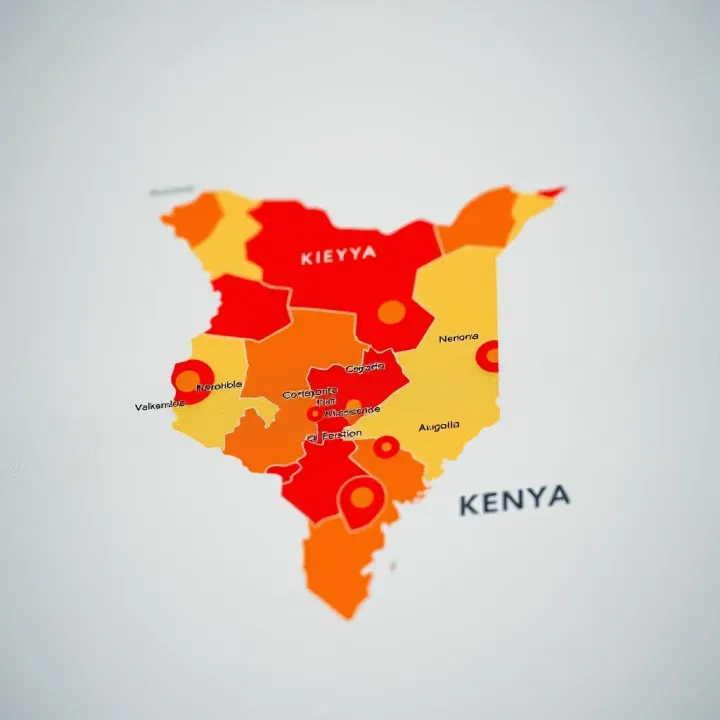
🌍 Explore disaster risk management in Kenya, key strategies, stakeholder roles, challenges faced, and practical ways to boost community resilience and preparedness.

Learn how risk management helps Kenyan businesses handle uncertainties and protect their interests with practical tips and strategies. 📊🔒

🔍 Learn proven strategies for effective compliance risk management in Kenya to avoid penalties, ensure operational integrity, and tackle local challenges head-on.
Based on 14 reviews