

How Binary Calculators Work and Their Uses
Explore how binary calculators work ⚙️, their role in computing and electronics 💻, plus tips for using them in everyday tech challenges 🔢.
Edited By
Oliver Bennett
Effective risk management in project work demands a sharp eye for details and timely action. When managing projects, especially in dynamic markets like Nairobi’s hustle or the regional EAC economies, risks can come from many directions — financial changes, regulatory shifts, supply chain hiccups, or even team dynamics.
The first step is early identification. This means scanning the project environment to spot anything that could derail the process. For instance, a building project in Mombasa might face construction material delays due to port congestion. Recognising such potential issues early allows the team to plan contingency measures rather than react when problems hit.

Next comes risk assessment, where you evaluate the likelihood and potential impact of each risk. Use simple tools like risk matrices to rank risks from low to high priority. Suppose your project involves importing goods; fluctuations in the Kenya shilling-dollar exchange rate may be a medium likelihood but high-impact risk. A clear ranking helps in focusing limited resources on managing the significant risks effectively.
Once risks are identified and assessed, controlling them involves strategies like avoidance, mitigation, transfer, or acceptance. For example, transferring financial risks through insurance policies, or mitigating supply delays by sourcing local alternatives, can be practical approaches. It’s wise to develop action plans for key risks and assign clear responsibilities within the team.
Communication is at the heart of managing risks successfully. Regular updates through project meetings or reports keep everyone plugged in. In Kenya’s busy business environments, where stakeholders might be spread across different counties or countries, ensuring timely and clear communication helps prevent misunderstandings and enables quick responses.
Tools also play a central role. Project management software, such as Microsoft Project or local options like Briza, helps track risks, timelines, and task dependencies. Integrating risk management processes into daily project activities – rather than treating it as an occasional check – normalises risk awareness and quick adaptation.
In summary, managing risks in project work means planning ahead, assessing threats, applying specific controls, and staying open with your team. This approach can save both time and KSh, ensuring projects hit their targets smoothly and sustainably.
Risk in project work refers to any uncertain event or condition that, if it happens, can positively or negatively affect the project's objectives. Risks can range from delayed supply deliveries and budget overruns to technical failures or changes in market demand. For example, a construction project might face heavy rains that delay foundation work, or a software development team might struggle with new technology integration. Understanding these uncertainties early helps in anticipating their impacts on time, cost, and quality.
The impact of risk isn't just about the inconvenience; it can seriously derail projects if left unmanaged. In a financial investment project, for instance, sudden changes in foreign exchange rates can lead to significant losses if the risk wasn't identified and mitigated. Similarly, for a Nairobi-based real estate development, risks like land disputes or regulatory changes can stall progress. Therefore, identifying what constitutes a risk and how it specifically threatens the project helps stakeholders prepare effectively.
Managing risk isn’t just a project formality—it can make or break the entire venture. When done well, it minimises surprises and keeps the project on course, saving resources and maintaining stakeholder confidence. Take a Kenyan SME launching a product in a crowded market; managing risks around customer acceptance and supply chain disruptions can determine if the business thrives or folds.
By systematically managing risks, project teams can turn potential threats into opportunities. For example, a logistics project that anticipates roadblocks due to weather patterns can arrange alternative routes in advance, avoiding costly delays. This proactive approach reduces downtime and keeps budgets in check.
Effective risk management means making informed decisions based on the likelihood and consequences of risks, rather than hoping for the best.
In essence, risk management gives you a clearer picture of what to expect and how to deal with it. It ensures that resources are not wasted, deadlines are met, and the project delivers its intended value, whether it’s a tech rollout, infrastructure development, or financial portfolio.
Understanding risk management helps you not only survive challenges but also steer your project confidently towards success, armed with foresight and action plans.
Spotting risks early in a project can save you a lot of trouble down the line. When you identify potential issues at the start, you get time to plan, adjust your strategy, and avoid costly delays or overruns. For traders, investors, analysts, and brokers, this means more control over resources as well as smoother project execution. Early risk identification also helps in prioritising which dangers need immediate attention and which ones can be monitored.
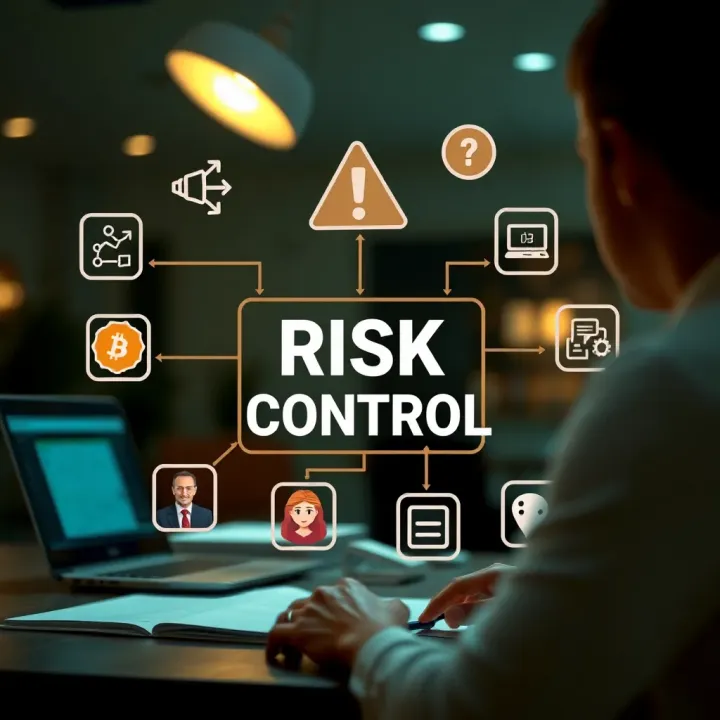
Many risks come from predictable places. For instance, financial risks might arise if project costs spike unexpectedly due to inflation or exchange rate fluctuations—something every investor knows too well. Technical risks emerge when new technology or systems fail to perform as expected. Kenya’s jua kali sector often faces such challenges when relying on unfamiliar machinery.
Environmental factors also play a role; think of the long rains season disrupting construction work, or political changes affecting project permits in different counties. Human risks, such as key staff leaving mid-project or poor communication between team members, can stall progress. Finally, suppliers or contractors failing to deliver on time or within agreed quality standards are common hurdles that can cripple timelines.
There are practical ways to spot risks before they cause damage. Start with thorough stakeholder interviews—talk to everyone involved from financiers to onsite teams to pick up early warning signs. Using checklists tailored to your project's context—for example, referencing past failures in similar projects in Nairobi or Mombasa—can remind you of typical pitfalls.
Risk brainstorming sessions work well too. Gathering diverse viewpoints often uncovers hidden risks. In Kenya, such meetings might also reveal risks related to power outages or transport disruptions unique to your project’s location.
Additionally, reviewing contracts and vendor agreements early can expose unfavourable terms or dependencies. You should also analyse market trends that could affect costs or materials availability; fluctuations in the price of steel or fuel are prime examples.
Early risk identification isn’t about guessing the future but preparing for reasonably foreseeable challenges based on solid information and local conditions.
Using these techniques regularly gives you a clear picture of potential risks. This proactive approach lets decision-makers handle issues calmly, instead of firefighting at the last minute, which is costly and stressful in any project setup.
Assessing risks means figuring out how likely a risk is to happen and what impact it will have if it does. This step helps project teams prioritise which risks need urgent attention and which can be monitored with less focus. Without a clear assessment, response efforts may be misdirected, wasting limited resources or causing delays.
Every risk touches at least one of the three key project constraints: time, cost, or quality. For example, a delay in obtaining permits for a building project could push the completion date further out, increasing costs due to extended labour and equipment rental. Similarly, a shortage of raw materials might force the use of cheaper alternatives, risking quality. It is important to examine each risk's potential effect on these areas specifically because project sponsors and stakeholders closely watch them.
A practical approach is to estimate how much time might be lost, how much extra money might be needed, or how much quality could be compromised if the risk occurs. This evaluation allows you to weigh the risk properly. For instance, a three-day delay causing a KSh 100,000 cost overrun might be less serious for a multi-billion shilling infrastructure project than a similar delay on a smaller-budget activity.
Risk matrices are simple charts that plot each risk based on its likelihood and impact, usually categorised as low, medium, or high. This visual aid helps teams see clearly which risks top their priority list. For example, a risk with high likelihood and high impact sits firmly in the "red zone," signalling immediate attention.
On the other hand, a risk register is a detailed log that records every identified risk, its assessment, ownership, and planned responses. Keeping this register up to date is vital for tracking progress and adjusting plans as projects evolve.
In practice, Kenyan project managers often use software or spreadsheets that integrate both tools. For example, during a large agricultural project, risks like erratic rainfall (high likelihood, high impact) are logged alongside less urgent ones, such as delays in paperwork (medium likelihood, low impact). Regularly reviewing these tools keeps the whole team aligned and ready to act promptly.
Assessing risks with clear tools and thoughtful evaluation helps keep projects on track, saving time and money, while ensuring the work meets expected standards.
By actively measuring likelihood and impact, you make risk management a live part of your project, not just a box to tick once. This boosts chances for success and helps avoid surprises that could push budgets or deadlines beyond reach.
Managing risks isn’t just about spotting problems early; it’s about taking deliberate actions to reduce their impact or even prevent them altogether. When you approach risks practically, you enable your project to stay on course despite uncertainties. This opens the door to more predictable outcomes and saves time, money, and reputations.
There are four main ways to handle risks, each with its own place depending on the nature of the threat and the project's resources.
Avoiding risks means changing your plans to sidestep potential issues. For example, if a supplier has a poor track record, you might switch to a more reliable one to avoid delays.
Reducing risks focuses on lessening the likelihood or impact. If delivery delays are a risk, you can reduce it by ordering materials early or having backup suppliers.
Transferring risks involves shifting responsibility. This can happen through insurance or contracts. For instance, a construction project might take insurance against fire, or the contractor may bear the risk of equipment failure.
Accepting risks is deciding to live with certain risks because the cost of action outweighs potential damage. Small daily risks, like minor fluctuations in exchange rates, are sometimes accepted.
Choosing the right mix depends on the project’s risk appetite and budget. The key is to be clear about why a particular strategy fits the situation.
A risk response plan outlines what you’ll do if a risk eventuates. It isn’t just a vague idea but a step-by-step guide detailing roles, actions, and communication channels. For example, if power outages threaten a data migration project, the response plan might include having a backup generator onsite and a person assigned to switch it on when needed.
Contingency plans go hand in hand here — they are backups that kick in when primary responses fail. These plans often involve extra budget or time buffers and clear decision points. In Kenya, consider local factors like unpredictable weather or infrastructure challenges when crafting contingencies.
Effective risk response plans rely on clear accountability and regular review. Without these, even the best strategies may fail when called upon.
This practical approach turns risk management from a theory into action. By using suitable strategies and solid plans, projects become resilient and capable of handling setbacks without derailing progress. This is especially important for traders and investors who rely on project timelines and costs to meet business goals or regulatory standards.
Monitoring risks continuously throughout a project is vital to prevent surprises and keep the work on course. Risks don’t stay still; they evolve as the project moves forward, influenced by changes in timelines, resources, or external factors like regulatory updates or market shifts. By keeping a close eye on risks, you can spot new threats early and adjust your plans without scrapping everything.
Updating the risk log regularly is the backbone of effective risk monitoring. A risk log records identified risks, their assessed impact, response plans, and status updates. Treat it like a living document—it should reflect the current state of the project’s uncertainties. For example, if a supplier delay initially posed a medium risk but now faces confirmed shipment issues, the risk’s priority should be upgraded. Regular reviews (weekly or bi-weekly) make sure nothing slips through the cracks and the team stays aware of looming issues.
Consider practical tools like Excel sheets or specialised project management software that allows easy updating and sharing. In a Kenyan construction project, say building a shopping mall, monitoring the risk of bad weather during the long rains can mean contracting additional labour or adjusting schedules promptly. Without timely updates to the risk log, such plans could lag and worsen delays.
Communication is the glue that holds risk management together. Sharing risk information openly with all project stakeholders ensures everyone understands the challenges and their roles in mitigation. For instance, if the finance team is unaware of a rising cost risk due to currency fluctuations, they cannot plan budgets effectively.
Effective communication channels include meetings, risk reports, and instant messaging platforms like WhatsApp or Slack, which many Kenyan teams already use. Regular risk discussions during progress meetings encourage team members to raise emerging concerns, often overlooked if risks are communicated only once at project start.
Clear and timely communication transforms risk management from a paperwork exercise into a proactive team effort, increasing the chances of project success.
In projects involving partners across Nairobi and Mombasa, synchronised communication through digital platforms helps monitor risks despite the distance. It also encourages a culture where raising concerns early is welcomed, preventing a small issue from ballooning into a crisis.
Together, regular risk log updates and open communication ensure project risks remain manageable throughout the project cycle, securing smoother delivery and guarding against costly setbacks.
Explore how binary calculators work ⚙️, their role in computing and electronics 💻, plus tips for using them in everyday tech challenges 🔢.
Explore effective credit risk management strategies 📊 for Kenyan businesses, covering identification, assessment, control, tools, and challenges in today's markets.

Learn about bot binary 🤖: what it is, how it works, its uses in automation & cybersecurity, plus risks and safety tips for Kenyan tech users 🇰🇪.

Learn how binary converters work, from basic binary numbers to digital tools used in Kenya and beyond. Essential for computing and tech users! 💻🔢
Based on 13 reviews