

Compliance and Risk Management for Kenyan Businesses
🔍 Learn key compliance and risk management strategies for Kenyan businesses. Understand local laws, identify risks, and use tech tools for safer operations.
Edited By
Oliver Bennett
Operational risk management involves keeping an eye on potential risks that might disrupt Kenyan businesses. These risks come from everyday activities—whether it’s a glitch in computer systems, errors from employees, or unexpected external events like floods or power outages. When these risks strike unchecked, they can cause losses, damage reputations, or slow down operations.
For Kenyan firms, managing operational risks isn’t just a formality; it’s about staying competitive and compliant with government regulations. With sectors like banking, manufacturing, and agriculture all facing different challenges, understanding the specific operational risks they encounter is key to safeguarding their investments and keeping customers happy.
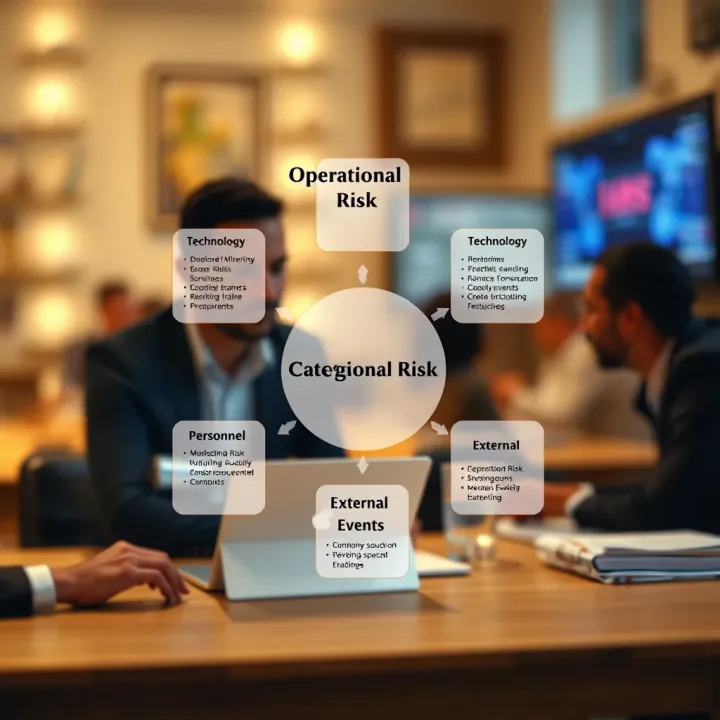
Operational risk is the chance of loss from failed processes, human errors, or system breakdowns—something every business must handle carefully.
To get a grip on these risks, organisations usually:
Identify the sources of risk within their processes and people
Assess how likely and damaging each risk could be
Find out what controls or steps can reduce these risks
Monitor the effectiveness of these controls over time
For example, a retailer relying heavily on M-Pesa payments must ensure their systems integrate smoothly and staff handle transactions correctly to avoid complaints or financial gaps. Similarly, a transport company dependent on matatus must manage risks like driver errors and vehicle breakdowns to prevent service disruptions.
Understanding operational risk management means recognising it as part of daily business rather than just another box to tick. It allows businesses in Kenya to plan wisely, limit losses, and gain trust from customers and investors alike. This article will guide you through how Kenyan businesses can adopt practical tools and strategies to manage operational risks effectively.
Understanding operational risk and its origins is key for Kenyan businesses keen to stay competitive and compliant. Operational risks emerge from internal weaknesses or external disruptions that can slow down or halt a business's day-to-day activities. Recognising these risks early helps traders, investors, and analysts to make informed decisions and prepare safeguards.
Internal process failures happen when the systems and procedures a company depends on don’t work as they should. For instance, a bank may experience delays in processing M-Pesa transactions due to outdated software or poorly designed workflows. This can ripple out to customer dissatisfaction or even regulatory penalties. In Kenyan businesses, where manual interventions and paper-based processes sometimes persist, these failures can be quite common and costly.
People remain at the core of operational risk. Mistakes, whether from inadequate training, fatigue, or even negligence, can disrupt operations. Imagine a trader misreporting data during a busy NSE trading session or a staff member incorrectly entering inventory details in a supermarket’s stock system. These errors not only affect day-to-day functions but can also ripple into financial losses or damage to the company’s reputation.
Technology powers most modern businesses, but it comes with risks. System outages, cybersecurity breaches, or failure of essential tech like payment gateways can stall business altogether. For example, if a major Kenyan e-commerce platform faces a website crash during peak festive season sales, revenue and customer trust can take a massive hit. With growing digitalisation in Kenya, firms must handle these tech risks carefully.
External forces such as floods, power outages, or political unrest can disrupt business activities without warning. For example, the prolonged power blackouts experienced in parts of Kenya during the dry season can affect factories and data centres alike. These risks lie beyond the company’s control but require contingency plans to reduce impact.
Kenya’s infrastructure gaps often cause operational headaches. Unreliable roads can delay deliveries, while unstable electricity supply impacts manufacturing timetables. For instance, transport disruptions on major highways can stretch supply chains, increasing costs for businesses and affecting their ability to meet market demand.
Ensuring full compliance with Kenyan laws and regulations can be complex. Changes in county business licences, NHIF contributions, or tax laws managed via the Kenya Revenue Authority (KRA) can catch businesses off guard. Non-compliance might lead to fines or suspension of operations, threatening the viability of smaller firms particularly.
Many Kenyan businesses depend on third parties, be it matatu associations for transport or local farms supplying fresh produce. If these suppliers face challenges like strikes, poor quality goods, or delayed deliveries, the business’s operations suffer. For example, a supermarket chain unable to stock sukuma wiki due to supplier shortages loses customers to competitors.
Political shifts—such as elections or policy reforms—can bring uncertainty. Economic factors like inflation or exchange rate swings affect costs and consumer behaviour. For example, during election periods, some businesses see reduced foot traffic due to security concerns. Additionally, rising fuel prices directly increase logistics costs, tightening profit margins.
Identifying these diverse operational risks enables businesses in Kenya to build resilience, ensuring they can weather disruptions and protect their investments reliably.
Effective operational risk assessment is a cornerstone for maintaining smooth business operations in Kenya's dynamic environment. It helps organisations spot potential pitfalls early, focus resources wisely, and strengthen their resilience against disruptions. This section outlines practical steps businesses can use to identify risks, measure them accurately, and prioritise actions that protect both day-to-day activities and long-term goals.
Process mapping involves charting every step in a business operation to see where things might go wrong. In a Kenyan manufacturing firm, for example, mapping from raw material receipt to finished goods dispatch can reveal bottlenecks such as unreliable suppliers or outdated machinery. Recognising these weak points early allows the firm to address potential failures before they escalate, like sourcing alternative suppliers or maintaining equipment more regularly.
By analysing these processes in detail, businesses understand how different activities link together and where risks might cascade if one step fails. This makes it easier to develop targeted controls rather than patching problems after they happen.
Engaging frontline staff and managers through interviews or surveys uncovers insights that don't show up on paper. Employees often notice recurring operational glitches or safety concerns that formal reports miss. For instance, bank tellers might point out frequent downtimes in transaction systems which affect customer service and revenue flow.
Gathering views from various departments also builds a risk-aware culture by involving everyone in the identification process. Workers feel valued when their concerns are heard, encouraging openness about issues before they worsen. Regular feedback loops strengthen this approach.

Continuous monitoring of operational data and recording incidents form the backbone of proactive risk management. Kenyan retailers might track stock discrepancies or transaction errors via their point-of-sale systems. Identifying unusual patterns early—like sudden increases in inventory losses—can prompt immediate investigation.
Well-maintained incident logs help spot trends, enabling businesses to fix systemic risks rather than just individual cases. This approach also aids compliance with regulatory bodies that require thorough documentation of operational failures.
Measuring risk involves both qualitative insights and quantitative data. Qualitative methods include expert judgement and scenario analysis to understand potential impacts and likelihoods. Quantitative methods use numbers—for instance, calculating probable financial loss from equipment downtime using historical data.
Combining these approaches suits Kenyan businesses where some risks, like political disruptions, are hard to quantify but knowable through expert knowledge. On the other hand, data-driven assessments help evaluate risks with clear financial or operational consequences.
Assigning scores to identified risks helps prioritise management efforts. A risk checklist might score risks based on frequency, severity, and detectability. For example, repeated IT system failures may score higher than occasional transport delays because their impact on service delivery is bigger.
Ranking risks allows decision-makers to focus budgets and interventions on the most pressing issues. This is especially helpful for SMEs operating with tight resources, ensuring limited funds produce maximum risk reduction.
Risk tolerance reflects how much risk an organisation is willing to accept to achieve its objectives. For example, a Nairobi-based exporter might accept some delays due to port congestion but not quality-related risks that could jeopardise contracts.
Clear tolerance levels guide which risks demand immediate action versus those that can be monitored. Establishing these thresholds helps align risk management with the company’s strategy and financial capacity. When risks exceed set tolerance, prompt mitigation measures or contingency plans kick in.
Effective risk assessment isn’t just about spotting dangers; it’s about understanding their significance so businesses can respond smartly and stay ahead in Kenya’s challenging market.
Effective operational risk management depends heavily on using the right tools and frameworks. These offer a clear structure to identify, assess, and mitigate risks, helping businesses avoid costly disruptions. In Kenya, where diverse challenges like infrastructure hiccups and regulatory changes arise, robust frameworks guide firms in staying resilient and compliant.
COSO (Committee of Sponsoring Organisations of the Treadway Commission) is widely adopted among Kenyan banks and large businesses. It focuses on internal controls covering risk assessment, control activities, and continuous monitoring. For example, a bank in Nairobi might use COSO to routinely check transactional processes, reducing errors and fraud exposure. This framework also emphasises the importance of management and board involvement, fostering a risk-aware culture from leadership downwards.
ISO 31000 offers a broad risk management guideline adaptable to various sectors in Kenya, from manufacturing to services. Its strength lies in providing principles and a structured approach for integrating risk management into all business activities. Firms like Safaricom or East African Breweries use ISO 31000 to systematically identify risks and apply controls embedded in their daily operations, supporting steadiness amid market fluctuations and operational challenges.
The Basel Framework specifically targets banks and financial institutions, focusing on capital adequacy, risk measurement, and control processes. Kenyan banks regulated by the Central Bank of Kenya apply Basel requirements to manage credit, market, and operational risks effectively. This framework helps ensure these institutions maintain enough capital buffers, protecting customer deposits even during turbulent economic conditions.
Software tools simplify tracking and reporting operational risks. Kenyan firms increasingly rely on platforms such as Resolver or MetricStream that centralise risk data, automate alerts, and generate compliance reports. This technology is practical for companies with multiple branches or complex operations, making oversight less cumbersome and improving response times.
Data analytics transforms raw information into actionable insights. By analysing trends like transaction volumes or system downtimes, businesses can anticipate potential issues early. For instance, a retail chain using analytics might detect fraud patterns in M-Pesa payments, enabling swift action. Reporting tools then ensure risk summaries reach management regularly, enabling informed decision-making.
Automation reduces human error by enforcing controls without manual intervention. In Kenyan financial institutions, automated systems verify transactions against predefined risk rules before approval. This reduces fraud chances and speeds up service delivery. Also, automation in compliance, like alerting on regulatory updates, helps firms maintain standards without diverting excessive human resources.
Using appropriate tools and frameworks isn't about paperwork—it directly strengthens a firm’s ability to keep operations smooth, comply with law, and protect assets in Kenya’s dynamic business environment.
With these frameworks and technologies, Kenyan businesses can construct practical, efficient, and adaptive operational risk systems tailored to local realities. This approach lowers surprises and builds confidence among investors, customers, and regulators alike.
Operational risk management in Kenya faces several obstacles that hinder businesses from effectively identifying, assessing, and mitigating these risks. These challenges impact a firm’s ability to stay compliant and financially stable, which is critical for traders, investors, and analysts who depend on sound operational practices to make informed decisions. Understanding these barriers helps organisations craft better strategies and allocate resources wisely.
Many organisations in Kenya grapple with a shortage of trained personnel who can accurately spot operational risks. For example, some SMEs lack staff familiar with systematic risk assessment tools, resulting in overlooked or misclassified risks that could escalate costs or cause operational shutdowns. This skills gap limits early detection of problems like process inefficiencies or cybersecurity threats.
Having employees who understand risk identification methods can significantly reduce exposure. For instance, companies that train their finance and IT teams on recognising early warning signs of fraud or system failures tend to manage disruptions better and recover faster.
A risk-aware culture remains underdeveloped in many Kenyan firms. Some organisations treat risk management as a one-off exercise done only by compliance departments, rather than embedding it into daily decisions. This attitude makes it harder to encourage staff at all levels to report potential issues or follow protocols consistently.
When employees do not see risk management as part of their responsibility, small operational faults may go unreported until they cause bigger problems. Firms that actively promote risk awareness through training programmes and leadership messaging often experience fewer preventable losses.
Operational risk management via dedicated teams or systems requires investment, but many Kenyan enterprises operate under tight budgets. Some businesses struggle to justify allocating funds for risk roles or technology amid other pressing needs, such as expanding market reach or meeting payroll.
Without sufficient financing, risk functions lack the tools and personnel to carry out effective controls and monitoring. In contrast, companies that allocate a modest portion of their budget to risk activities tend to spot issues earlier, preventing costly disruptions.
Deciding how much to spend on mitigating risks is tricky. Spend too little, and the business remains exposed; spend too much, and operational costs may hurt profitability. For Kenyan firms, especially in competitive sectors like retail or manufacturing, this balance is vital.
A retailer dealing with frequent power outages must weigh investing in backup generators against their operating budget. Those that find cost-effective solutions, such as small-scale solar installations, protect their operations without stretching finances too thin.
Accurate reporting of operational incidents is essential but often lacking in Kenyan firms. Employees sometimes hesitate to report errors or losses for fear of blame or job security, leading to data gaps. Without clear incident records, management misses opportunities to understand risk patterns and prevent recurrence.
Organisations that create non-punitive reporting systems and encourage open communication tend to collect better risk data. This transparency enables more reliable analysis and stronger controls.
Kenyan businesses often use multiple systems for finance, inventory, HR, and operations without proper integration. This fragmentation makes it hard to gather comprehensive data for risk assessments, causing delays or inconsistencies.
A manufacturer tracking supply chain risks may struggle if their procurement system does not sync with inventory records. Investing in platforms that consolidate data improves visibility and helps teams respond quickly to emerging risks.
Addressing these common challenges—awareness gaps, budget limits, and data issues—is the cornerstone of stronger operational risk management in Kenya. Stakeholders who understand these constraints can help build resilient and adaptable businesses.
A sustainable operational risk management strategy ensures that Kenyan businesses not only identify and respond to risks but do so in a consistent and long-lasting way. This approach helps organisations withstand shocks from unexpected events such as regulatory changes or infrastructure hiccups, common challenges in the Kenyan business environment. Building this strategy involves embedding risk awareness into daily operations, regularly monitoring risks, and maintaining close collaboration with regulators and industry peers.
Training staff on operational risk management and encouraging continuous learning cultivates a risk-aware culture. For example, banks in Kenya often conduct refresher courses on fraud prevention and cybersecurity, equipping employees to spot weaknesses early. Regular workshops and simulations help teams adapt to new threats and improve their response. Ongoing training ensures risk awareness is not a one-off concept but part of everyday practice, reducing error rates and operational disruptions.
When leadership commits to operational risk management, it sets the tone for the entire organisation. In Kenya, top management at companies like Safaricom emphasises risk controls during strategy meetings, signalling its importance beyond compliance. Leaders who actively support risk initiatives allocate resources and motivate staff to take threats seriously. Such commitment also means risk management becomes integrated into decision-making, rather than being treated as an afterthought.
KRIs provide measurable signals about the level of operational risk a business faces. For instance, a Nairobi-based insurer might track the frequency of claim processing errors as a KRI. If this number rises beyond a certain point, it raises concern and triggers corrective action. KRIs guide businesses to focus attention on the riskiest areas before problems escalate. They help maintain operational stability by giving early warnings.
Conducting internal audits enables organisations to independently assess their risk management effectiveness. Kenyan companies in sectors like manufacturing regularly schedule audits to check compliance and controls. These reviews identify gaps such as insufficient data backup or weak supplier vetting. Management can then address these weaknesses before they lead to bigger issues. Regular reviews also encourage continuous improvement and accountability.
Maintaining close compliance with the Kenya Revenue Authority (KRA), Capital Markets Authority (CMA), or other regulators protects businesses from fines and reputational damage. For example, adhering to the Central Bank of Kenya’s (CBK) operational risk requirements safeguards banks and SACCOs from unexpected penalties. Compliance also builds trust with customers and partners, which is vital in Kenya’s competitive business landscape.
Active participation in industry forums allows businesses to exchange ideas and tackle common operational risks together. Kenyan firms in the ICT or agribusiness sectors often share insights on fraud prevention or supply chain resilience. This collaboration enhances collective knowledge and helps set practical standards suited to local conditions. By learning from peers’ experiences, companies save costs and avoid repeated mistakes.
Building a sustainable operational risk management strategy is not a one-off task, but a continuous process that keeps Kenyan businesses resilient in the face of evolving challenges.
🔍 Learn key compliance and risk management strategies for Kenyan businesses. Understand local laws, identify risks, and use tech tools for safer operations.

Discover how risk management safeguards assets, streamlines operations, and boosts trust in Kenyan businesses. Enhance your strategy today! 🔒📊🇰🇪

Learn forex trading basics in Kenya 💹. Understand market structure, key terms, strategies, risk management & legal tips to trade confidently.

📘 Discover essential forex trading tips from top books tailored for Kenyan traders. Learn strategies, risk management, and psychology to boost your success!
Based on 12 reviews