
Forex Binary Trading Guide for Kenyan Traders
📈 Discover how forex binary trading works in Kenya! Learn key strategies, legal tips, and risks to trade smart and stay informed in this volatile market.
Edited By
James Whitaker
Forex trading, or trading foreign currencies, has gained traction among Kenyans looking for extra income or investment opportunities. This market is open 24 hours a day, giving traders flexibility to participate even after work or school hours. Given Kenya’s growing tech access and mobile payment systems, learning forex can be a practical way to explore financial markets.
However, trading forex requires understanding how currency pairs work, market influences, and managing risks properly. Unlike stocks, forex trading deals with pairs like USD/KES (US dollar to Kenyan shilling), so knowing how global events affect these pairs is key.
Starting forex trading without a solid foundation is risky; having clear knowledge of the basics can protect your capital and boost confidence.
Kenyan traders benefit from platforms that accept local payment options such as M-Pesa, making deposits and withdrawals easier and faster. Also, the Capital Markets Authority (CMA) Kenya regulates forex brokers operating locally, so choosing licensed brokers helps safeguard your investments.
In simple terms, forex trading involves buying one currency while selling another, hoping that price moves in your favour. For example, if you believe the euro will strengthen against the US dollar, you buy EUR/USD. If the euro rises, you earn from the price difference.
Beginners should practise with demo accounts provided by many brokers before risking real money. This hands-on experience helps grasp order types, charts, and technical indicators, which guide trading decisions.
Risk management is vital—never trade more than you can afford to lose. Many Kenyans start with small amounts, gradually increasing as they build skills and understand market behaviour.
To summarise, forex trading in Kenya offers opportunities but demands practical knowledge, trustworthy platforms, and careful money management. This guide breaks down the essentials, from market basics to tools and strategies, equipping you to start trading wisely and confidently.
Forex trading involves exchanging one currency for another, typically done through pairs like the US dollar and Kenyan shilling (USD/KES). Essentially, traders buy a currency they expect to strengthen while selling another expected to weaken. For example, if the dollar is likely to grow stronger against the shilling, a trader would buy USD/KES, hoping to sell later at a better rate for profit. This simple concept hides a complex network of global finance but remains the cornerstone of Forex trading.
The forex market operates continuously across the world, linking financial centres in Tokyo, London, New York, and others. Unlike stock markets, Forex doesn’t have a fixed location or single exchange. Instead, it’s a global over-the-counter market where currencies trade 24 hours on weekdays. This non-stop operation aligns well with Kenyan traders’ schedules, as they can participate anytime during the day or night, fitting trading around other work or life commitments.
Basics of currency exchange At its simplest, forex trading is buying a currency pair at one price and selling it later at another for profit. The exchange rate between two currencies reflects their relative economic strength and market demand. For instance, if Kenya’s economy faces challenges while the US economy is stable, the shilling may weaken against the dollar, affecting trading decisions.
How forex markets operate globally Forex markets are decentralised and span time zones, which means trading starts in Asia, moves to Europe, and closes in the US. Kenyan traders benefit from this because they can react to news from different regions as it breaks. The global nature creates high liquidity, making it easier to enter or exit trades quickly without big price changes.
Potential for income with small capital One big draw for Kenyans is that forex trading doesn’t demand large starting funds. With as little as KSh 10,000, a new trader can open a micro trading account. This access allows people from Nairobi’s estates to rural areas, including Hustler Nation’s entrepreneurs, to try their hand at trading without risking life savings. Also, leveraged trading amplifies potential gains (and risks), making it possible to grow small capital if the trader uses careful strategies.
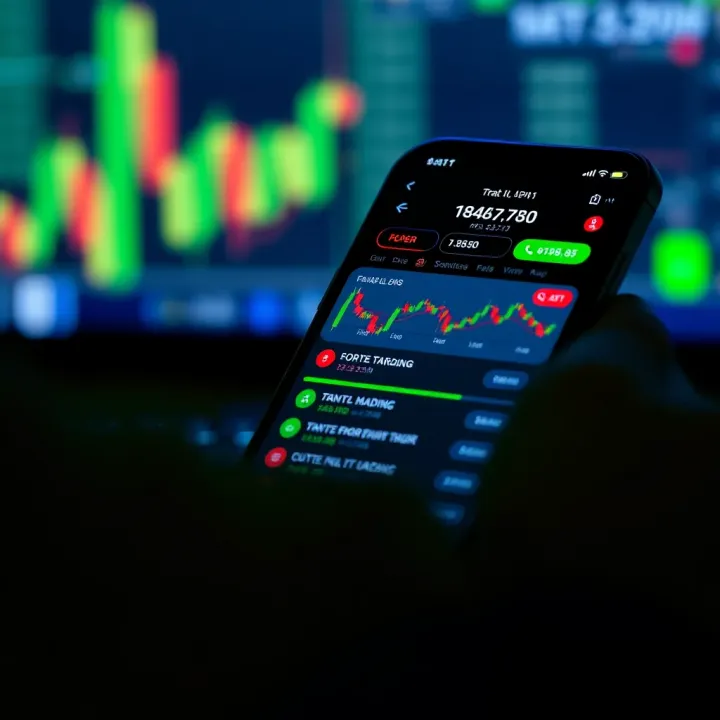
Accessibility through mobile platforms The rise of smartphones and mobile internet has changed the forex scene in Kenya. Platforms like MetaTrader and broker apps work smoothly on mobiles, enabling traders to buy or sell currencies anytime and anywhere, even during a quick break at a local duka. Coupled with popular payment methods such as M-Pesa, depositing and withdrawing funds is straightforward, boosting participation beyond those with desktop computers.
Flexibility with trading hours Forex markets run almost non-stop from Sunday evening to Friday evening (EAT). This means Kenyan traders have the freedom to pick times that suit them best—morning before work, late at night after family duties, or during weekend breaks. This flexibility is great for part-timers juggling jobs or students wanting to learn trading without compromising other commitments.
Traders new to forex should appreciate that understanding the market’s basics and recognising why it suits Kenyan lifestyles will help them develop realistic expectations and maintain steady progress.
This section lays the foundation for Kenyan traders, emphasizing practical advantages and realities of forex trading locally and globally.
Understanding key forex concepts and having the right tools at your disposal makes a big difference when trading currencies. Whether you're just starting or have some experience, these basics help you make better decisions, minimise losses, and identify good opportunities faster.
Forex trading revolves around currency pairs. Each pair shows the value of one currency against another, for example, USD/KES means US dollar against Kenyan shilling. The first currency is the "base" and the second is the "quote." When you buy a pair, you're buying the base currency and selling the quote currency.
There are 'major' pairs like EUR/USD or USD/JPY, which involve the US dollar and other big currencies, offering high liquidity and tight spreads. Minor pairs exclude the US dollar but include other significant currencies like EUR/GBP or AUD/NZD. For Kenyan traders, focusing on major pairs with USD can be practical since the US dollar influences many global trends affecting the shilling.
A pip stands for "percentage in point" and represents a very small change in a currency pair’s price, typically 0.0001 of the quoted currency. Knowing pips helps you measure and understand your gains or losses precisely. For instance, if USD/KES moves from 110.50 to 110.60, that's a 10-pip change.
Lots refer to the size of the trade. A standard lot equals 100,000 units of the base currency. But since that can be too big for most new traders, mini or micro lots (10,000 and 1,000 units respectively) are available. Using micro lots allows you to trade small and manage risk better, especially when starting with limited capital.
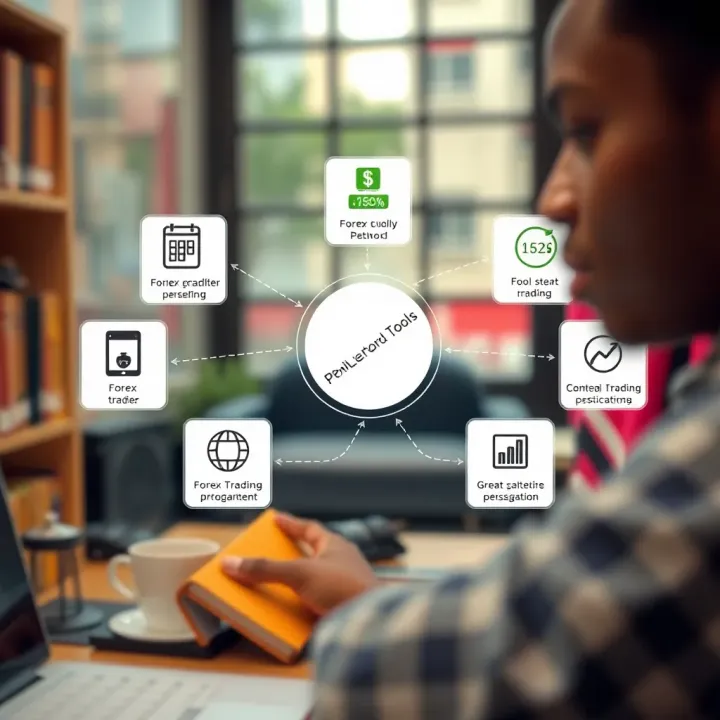
Traders rely on indicators like Moving Averages, Relative Strength Index (RSI), and Bollinger Bands to analyse price trends and market momentum. Moving Averages smooth out price data, helping you spot trends, while RSI reveals if a currency is overbought or oversold. Bollinger Bands highlight volatility by showing upper and lower price bands.
These tools don’t guarantee success but help you make informed decisions instead of guesswork. Combining indicators with price action and news can give a clearer market picture.
Choosing a broker licensed by Kenya’s Capital Markets Authority (CMA) adds a layer of safety. Licensed brokers operate under set rules and have to protect client funds properly. This reduces the chances of scams, which unfortunately have been reported in Kenyan forex circles.
Also, regulated brokers often provide better customer service and reliable platforms, important for quick trade execution.
Good platforms offer user-friendly interfaces, fast order execution, and practical charting tools. Platforms like MetaTrader 4 or 5 are popular globally and widely supported by local brokers. Look for features like real-time price updates, customisable technical indicators, and the ability to place stop-loss and take-profit orders easily.
Mobile compatibility is crucial for Kenyan traders who may rely on smartphones, so ensure the platform works well on mobile without delays or crashes.
Convenient deposit and withdrawal options can make or break your trading experience. Many Kenyan traders prefer M-Pesa for its simplicity and speed in transferring funds. Brokers offering M-Pesa deposits let you start trading quickly without needing international bank accounts.
Check for withdrawal fees and processing times too. Some brokers may take several days to process withdrawals, which can be frustrating if you want quick access to your funds. Also, be mindful of currency conversions if your trading account currency differs from Kenyan shilling.
Choosing the right broker and understanding basic trading tools sets a strong foundation, helping you trade smarter and avoid unnecessary risks on the forex market.
Building a solid trading strategy while cautiously managing risk forms the backbone of successful forex trading. Without a clear plan and risk controls, even experienced traders lose money. For Kenyan traders, this means organising your approach carefully to avoid unnecessary losses, especially considering the volatility of currency markets and the challenges posed by local conditions like fluctuating exchange rates and platform reliability.
Setting realistic goals helps keep your expectations grounded and prevents reckless decisions. It’s common to hear stories of traders hoping to turn KSh 10,000 into millions overnight, but such hopes often lead to disappointment and losses. Instead, set achievable objectives, like a steady 5-10% monthly return, and avoid chasing quick wins. This approach encourages discipline and gradual improvement rather than gambling.
Timeframes and trading styles influence how you approach the market and fit with your daily schedule. For example, scalping involves making many quick trades within minutes or hours, which requires constant monitoring—a tough ask if you also have a 9-to-5 job. Swing trading, on the other hand, holds positions for days or weeks, suiting those who prefer less frequent action. Choose a style that matches your availability and temperament to keep trading sustainable.
Using demo accounts for practice is vital before risking real money. Popular local brokers like HotForex and FXPesa offer demo platforms where you trade with fake money but real market conditions. This hands-on experience helps you understand how trades execute, how to apply your strategy, and how emotions react under simulated pressure. Think of it as test-driving a car before buying it – better to learn on the demo before going live.
Using stop-loss and take-profit orders protects your capital by automatically closing positions when the price hits a set level. If you buy EUR/USD at 1.1200, a stop-loss at 1.1150 limits your loss to 50 pips, while a take-profit at 1.1300 locks in a gain of 100 pips. This removes guesswork and emotional bias from trading, making your decisions more disciplined and less stressful.
Limiting exposure per trade means you should never risk too much of your total capital on a single position. A common rule is to risk no more than 1-2% of your trading account on each trade. For example, with a KSh 50,000 account, risking KSh 500 to KSh 1,000 per trade helps you survive losing streaks and protects your overall funds.
Handling emotions and avoiding impulsive decisions is often overlooked but critical in forex. Fear and greed can lead to chasing bad trades or closing good ones too soon. Keeping a trading journal, stepping away briefly after losses, and sticking to your plan can keep emotions in check. If you feel anxious or overexcited, pause and reassess. Remember, patient and calm traders often outlast those who rush.
A well-crafted trading strategy combined with strict risk management helps shield your capital and increases your chances to grow steadily over time in the Kenyan forex scene.
This balance of plan and caution supports not just survival but long-term success in forex trading, especially where financial resources may be limited, as in Kenya’s growing market.
Understanding the local forex landscape is essential for Kenyan traders. Knowing how the market operates within Kenya’s specific context helps avoid pitfalls and take advantage of available tools and regulations. Whether it’s recognising legitimate brokers or making smooth deposits through local payment systems like M-Pesa, being informed improves your chances of successful trading.
The Capital Markets Authority (CMA) is the key regulator for forex trading and other capital markets in Kenya. Its main role is to protect investors and ensure that brokers operate transparently and ethically. When you trade forex through a CMA-licensed broker, you get a degree of security because these brokers must comply with strict rules on fund management and reporting.
CMA supervision means traders are less likely to fall victim to fraud or malpractice. For instance, the CMA periodically publishes a list of authorised brokers, which is a reliable reference point before opening an account. This oversight is crucial because without it, traders risk trading with firms that could disappear with their money.
Licensed brokers are registered with the CMA and meet the authority’s standards regarding liquidity, client fund segregation, and transparent pricing. Kenyan traders should always confirm a broker’s licence status before engagement. This can be done by checking the CMA official listings or the broker’s website — legit brokers will prominently display their CMA licence.
Choosing unregulated brokers can lead to losses beyond market risks, including stolen funds or manipulated prices. A practical example is when a trader unknowingly deposits money with an unlicensed broker who then blocks withdrawals. Licensed firms often have local customer support and accept local payments, making transactions easier and safer.
The forex market attracts scammers due to high profits and low entry barriers. Common scams include fake brokers, signal selling, and Ponzi schemes. Red flags are aggressive marketing promising guaranteed returns or asking for large deposits without transparency.
To avoid scams, always research a broker’s background and reputation. Kenyans should be sceptical of platforms not registered with CMA or those lacking physical addresses. Forums and social media groups can provide warnings from other traders who have encountered fraudulent operations.
Remember, legitimate forex trading involves risk but never guarantees quick profits. Approach offers that sound too good to be true with caution.
M-Pesa has become the favourite payment method for many Kenyan forex traders due to its speed and convenience. Several CMA-licensed brokers accept M-Pesa deposits directly, allowing instant funding without international bank complications or excessive fees.
Bank transfers remain an option, especially for larger amounts or withdrawals, but they tend to be slower and might incur higher charges. Traders should compare deposit costs and speed when choosing their payment method. For instance, funding a forex account via M-Pesa can take minutes, while a bank transfer could take up to 48 hours.
Withdrawal speed varies by broker and payment method. Many regulated brokers process withdrawals within 24 to 72 hours, but local bank and M-Pesa processing times might extend this timeframe. Fees can also bite into profits — some brokers charge withdrawal fees, while banks might deduct conversion or transfer charges.
It’s wise to read the broker’s withdrawal policy and try small withdrawals initially to understand timing and costs. Knowing this helps avoid situations where funds get stuck or charges reduce your earnings unexpectedly.
Since forex trading is globally denominated in major currencies like USD or EUR, Kenyan traders must consider currency conversion costs. Brokers quoting balances or profits in foreign currencies often convert withdrawals to Kenyan shillings, incurring forex rates and possible bank charges.
Choosing brokers who offer multi-currency accounts or local currency trading can reduce conversion losses. Additionally, monitoring CBK exchange rates when withdrawing can help you time your withdrawal to get better value across currency fluctuations.
Navigating Kenya’s unique forex market landscape means understanding regulations, spotting scams, and managing money flows smartly through familiar channels like M-Pesa. With these insights, you trade with less risk and more confidence.
Getting started in forex trading can seem overwhelming, especially with so many platforms and strategies floating around. For Kenyan traders, practical advice on how to begin is even more important given local market conditions and payment options like M-Pesa. This section focuses on sound steps to take early on — starting with manageable sums, learning without big losses, and tapping into education and community support to build skills steadily.
Starting forex trading with minimal capital helps protect your savings while you familiarise with how currency markets move. In Kenya, many beginner traders might start with as low as KSh 5,000 or KSh 10,000 on regulated platforms. This low entry barrier lets you practise real trades without worrying about wiping out large sums. For instance, if you lose a few trades while experimenting with different techniques, the impact remains manageable.
Learning from mistakes without heavy losses is crucial. Forex trading is not a get-rich-quick scheme — it demands patience and resilience. When you trade with small amounts, your mistakes become part of the learning curve rather than sunk costs that hurt your finances. Over time, you can increase capital as your confidence and understanding grow, lowering chances of impulsive decisions that often lead to big losses.
Access to reliable online resources and local courses can dramatically boost your forex knowledge. Kenyan traders can benefit from platforms like Coursera, Udemy, or Tutor.ng that offer forex trading lessons tailored to beginners. Also, some local institutions and forex academies provide workshops that explain market analysis, risk techniques, and use of trading software — all in a context that suits Kenyan realities.
Joining Kenyan trading forums and groups opens opportunities to learn from experienced traders and share fresh insights. Groups on social media platforms, WhatsApp, or Telegram create spaces where you can discuss trading strategies, get tips on broker reliability, and hear about scams to avoid. Such communities offer peer support that’s particularly valuable when tackling complex market behaviour.
Keeping updated with global and local market news helps in making informed trading decisions. Forex markets react to economic indicators, political events, and central bank moves worldwide, including Kenya’s CBK policies. Sources like Bloomberg Africa, Business Daily, and local news outlets provide current economic data and trends. Staying informed allows you to anticipate currency fluctuations and adjust trades accordingly.
Start small, learn consistently, and lean on education plus community support — these steps form a strong foundation for any Kenyan forex trader aiming to grow sustainably and safely.
📈 Discover how forex binary trading works in Kenya! Learn key strategies, legal tips, and risks to trade smart and stay informed in this volatile market.
📈 Discover top forex trading classes in Kenya! Learn market basics, choose the right course, and navigate legal tips for smarter trading success.

Explore how forex brokers operate in Kenya 🇰🇪, what to look for, trader-friendly platforms, fees 💰, regulations 📜, and smart risk management tips.
Explore top forex trading apps in Kenya 📱, compare features, security ✅, and learn how to start trading while navigating local regulations and risks.
Based on 8 reviews