

Financial Risk Management Explained
📊 Dive into financial risk management to grasp key concepts, types of risks, and practical tools that help businesses in Kenya manage and reduce losses.
Edited By
James Thornton
Risk management is the backbone of secure business operations, especially in Kenya's dynamic economic environment. For traders, investors, brokers, and analysts, understanding how to manage risks properly means avoiding unnecessary losses and improving decision-making under uncertainty.
The process centres on identifying potential threats that could affect your investments or operations. These threats might be market volatility, regulatory changes, or even operational failures. Kenyan businesses dealing with currency fluctuations, unstable commodity prices, and political events must prioritise this step.

Once identified, risks need to be assessed in terms of their likelihood and potential impact. This allows you to rank risks from minor annoyances to serious threats. For example, a Nairobi-based company might consider inflation as a moderate risk while political unrest could be a high-impact concern.
After assessment comes handling the risks. This involves choosing the right approach: avoiding, reducing, transferring, or accepting the risk. Strategies may include diversifying your investment portfolio, using hedging tools, or buying insurance policies available locally like cover for property or business interruptions.
Implementing these strategies requires continuous monitoring. Risk environments change, for instance, new regulations by the Capital Markets Authority can affect trading conditions overnight. Keeping an eye on such changes helps adjust your plans accordingly.
Effective risk management reduces uncertainty and protects your business from avoidable losses, enabling sustainable growth even when things don't go as planned.
Conduct a risk identification workshop involving all key team members
Score risks by probability and impact to set priorities
Develop clear action plans for top risks
Review and update risk profiles regularly, especially ahead of financial year ends or key market events
Kenyan traders and investors must remember that risk management is not a one-off task. It’s a continuous cycle of learning and adapting. By mastering these key steps, you build a strong defence against disruptions in your trading, investment ventures, or financial analysis.
Risk management is about taking the reins of uncertainty to steer your business confidently through challenges and opportunities alike.
Recognising and defining risks is the first step in managing uncertainty effectively. Without a clear understanding of what a risk is and where it lies, you can easily miss threats that might hurt your business or investments. Being able to pinpoint risks early helps you prepare better responses, saves resources, and provides a clearer path to safeguard your ambitions.
A risk is any event or condition that may disrupt your plans or cause losses. It does not need to be certain; even a small chance of something going wrong counts as risk. For instance, a Kenyan trader importing goods from abroad faces currency fluctuation risks that can inflate costs unexpectedly. In this context, risks cover anything from financial loss and operational delays to reputational damage. Knowing this helps traders or investors take stock of potential pitfalls before they occur.
Risks show up in many shapes. Financial risks could include fluctuating interest rates or delayed payments from clients. Operational risks involve machinery failure or supply chain hiccups—for example, a boda boda service might lose income if matatus increase fares suddenly. Even everyday risks exist, like traffic jams or power outages, which affect schedules and productivity. For investors, market volatility and unexpected regulatory changes are daily concerns. Recognising these common risk types ensures you are vigilant about the challenges that matter most.
Several practical tools assist in spotting risks. A simple SWOT analysis (strengths, weaknesses, opportunities, threats) can reveal vulnerabilities in your business model or investment strategy. Risk checklists tailored for specific sectors—like farming or trading—help cover typical scenarios. Moreover, engaging staff or peers in brainstorming sessions uncovers risks that might escape top management’s notice. For traders, monitoring economic news and following Kenya Revenue Authority (KRA) policy updates also flag emerging hazards. Together, these tools create a solid base to define risks clearly and act promptly.
Recognising risks early and defining them precisely is like having a reliable roadmap. It helps you avoid costly detours and ensures your plans stay on track despite the bumps along the way.
With a clear grasp on what risks are and how they might affect you, the next step is measuring their potential impact and likelihood. That helps focus effort where it counts most.
Once risks are identified, the next step is to evaluate them to decide which ones deserve immediate attention. Prioritising risks helps traders, investors, and analysts focus resources on the challenges that could cause the most disruption or losses. For example, a stock broker might face market risks alongside operational risks. Evaluating these allows them to act first on price swings that threaten client portfolios before addressing internal system glitches.
Estimating how likely a risk is to happen is key to managing it well. The probability can be based on past data or expert judgement. For instance, a trader noticing frequent market volatility before earnings season should assign a high likelihood to sudden price drops. Conversely, rare risks, such as a sudden policy change from the Central Bank of Kenya, might have a low likelihood but still demand monitoring due to severe consequences.
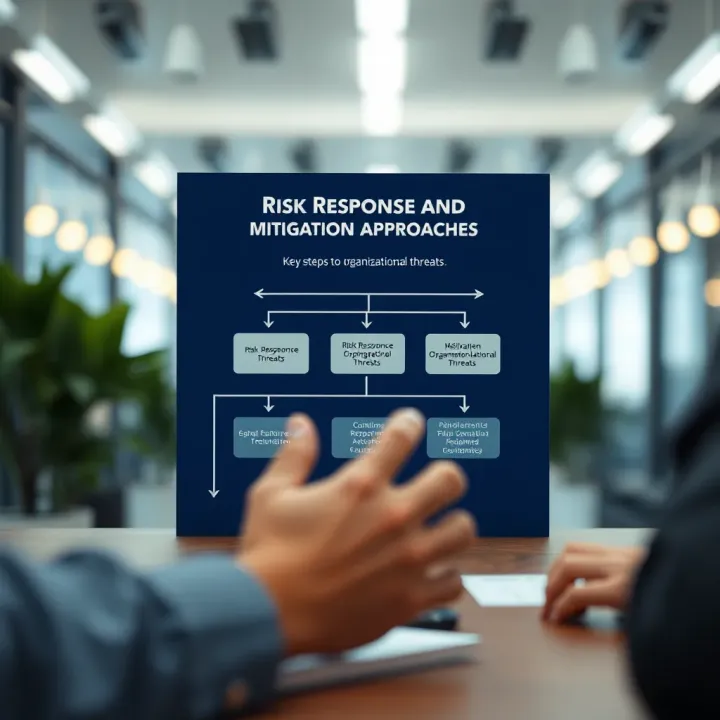
Knowing how a risk could affect your business or investments guides the urgency of the response. High-impact risks can drain financial resources or halt operations. For example, if a logistics company's delivery system fails during Kenya’s long rains, the impact on customer satisfaction might be severe, affecting the bottom line. Conversely, a minor software glitch causing brief delays may be less critical but still worth fixing.
Combining likelihood and impact estimates into a risk score helps rank risks clearly. A common method multiplies these two factors to get a score that guides prioritisation. For example, a risk with a 0.7 probability and an impact rated 8 out of 10 scores 5.6—higher than a 0.2 probability risk with an impact of 9 (score 1.8). Ranking risks allows brokers or analysts to tackle the biggest threats first. Sometimes, risks are displayed in a matrix for quick visual understanding.
Prioritising risks using clear scoring methods ensures that limited resources address the threats that matter most, providing a practical approach to minimise potential losses.
Evaluating and ranking risks is not static; it needs constant revisiting as market conditions and operational factors change. This approach helps Kenyan businesses and investors stay prepared and agile in today's unpredictable environment.
Once risks have been identified and evaluated, the next step is deciding how to handle them effectively. This stage is critical because it shapes your business’s ability to minimise losses and seize opportunities even when uncertainty looms. Traders, investors, and analysts need to choose risk responses that balance cost, benefit, and practicality to protect assets without wasting resources.
Risk avoidance means stopping any action or decision that could expose you to a particular risk. For example, if a trader realises that investing in a volatile stock sector is too risky, they might avoid that sector entirely. Reduction, on the other hand, doesn’t eliminate the risk but lowers its likelihood or impact. A Kenyan business could diversify its supplier base to reduce downtime in case one supplier fails—this spreads risk and keeps operations stable. These tactics require careful analysis to ensure they don’t hinder growth by being too cautious.
Accepting risk means consciously choosing to bear the potential loss when it’s within manageable limits or when cost of mitigation outweighs benefits. Small-scale investors might accept market fluctuations as part of normal trading. Transferring risk involves passing it on, often through insurance or outsourcing. For instance, a Nairobi SME might use insurance policies to cover fire damage or third-party liability, shifting that financial burden away. Alternatively, contracting out IT services transfers the risk of cybersecurity breaches to the provider with specialised safeguards.
After selecting how to handle risks, drafting clear response plans is vital. These plans outline who does what, when, and how if a risk occurs. For example, a fund manager might set automatic triggers to sell certain assets if prices drop beyond a set limit, containing losses before they escalate. Well-prepared plans include contingency measures, communication protocols, and performance indicators. A solid risk response plan lets businesses react swiftly rather than scrambling when challenges hit.
Handling risks is not about eliminating all dangers but managing them well so your business stays resilient. Determining practical ways to act ahead of time saves money, reputation, and time in the long run.
In sum, choosing how to handle risks is about balancing what you can control, what others can handle for you, and what you accept. This step equips Kenyan traders and analysts to maintain steady operations while facing uncertainties common in our dynamic markets.
Taking action on identified risks is where theory meets practice in risk management. Implementing risk management measures ensures that the organisation or individual actually deals with threats rather than just understanding them. This step converts assessments and plans into real-world actions, ultimately reducing potential damage and improving resilience.
Clear assignment of roles avoids confusion and ensures accountability when managing risks. Every risk must have a named owner who understands their part in handling it. For example, in a Nairobi-based investment firm, the compliance officer might be responsible for monitoring regulatory changes, while the IT manager handles cyber risks. Defining these duties helps teams respond quickly and prevents critical tasks from falling through the cracks.
Control measures put risk responses into operation by reducing the likelihood or impact of risks. These can be technical, procedural, or physical. For instance, a stockbroker may implement double authentication on trading platforms to guard against unauthorised access, while a trader might diversify their portfolio to spread financial risk. Procedures such as daily reconciliations and regular audits also help detect errors early. These controls need to be practical and appropriate to the specific risks and resources available.
Continuous monitoring keeps risk management alive and responsive. Without regular checks, emerging risks may go unnoticed or controls might weaken over time. In Kenya’s busy business environment, this could mean routine reviews of market conditions and compliance status. Maintaining proper documentation of risk incidents, mitigation steps, and outcomes builds an institutional memory. It supports future risk assessments and provides evidence of due diligence, which is vital in audits or regulatory reviews.
Effective risk management relies heavily on disciplined implementation — understanding risks is not enough without action that fits the local business environment and regulatory context.
In summary, implementing risk management measures creates a structured approach where responsibilities are clear, controls are active, and performance is tracked. This practical step protects assets, supports decision-making, and builds confidence for traders, investors, and analysts operating within Kenya’s dynamic markets.
Tracking risks and making timely adjustments is vital for any successful risk management process. It ensures that risks identified are continuously observed and that response plans stay relevant as conditions shift. For traders, investors, and analysts in Kenya’s dynamic markets, this step helps avoid surprises and fine-tunes strategies to stay resilient against emerging threats.
Continuous risk monitoring involves keeping a steady watch on risk indicators and external factors that could influence the risk level. This can be achieved through various methods such as real-time data feeds, periodic audits, and automated alerts. For example, a stockbroker tracking currency fluctuations relevant to their portfolio might set up alerts for Rand-Kenyan Shilling exchange rate changes impacting import-export companies.
Monitoring also means collecting feedback from operations on what risks are materialising. In Kenyan businesses, this could involve regular check-ins from department heads to report discrepancies or potential threats, like delayed supply deliveries affecting production schedules. Technology plays a huge role – tools like Excel dashboards or specialized software can track risk metrics and flag issues.
Risk assessments are not one-off events. Reviewing and updating them is critical to capture changes due to market shifts, new regulations, or unforeseen events. For instance, agricultural investors in Kenya must adjust their risk assessments each rainy season, as weather impacts harvest yield and market prices.
A practical approach is scheduling quarterly or biannual reviews where the team revisits each identified risk’s likelihood and impact. This review should consider new data and insights obtained through monitoring. Updating risk matrices and action plans ensures that the risk management framework stays accurate and useful. Failure to update assessments can lead to outdated responses, which expose the business or portfolio to greater losses.
Kenya’s economic and regulatory environment can shift quickly—from changes in Central Bank of Kenya policies to new tax regulations by the Kenya Revenue Authority (KRA). Adaptation means adjusting your risk responses accordingly.
If a risk response was to hold fixed-income securities for stable returns but inflation spikes unexpectedly, an investor might need to diversify into commodities or equities to protect against eroding value. Similarly, a forex trader might shift their strategy based on political events influencing currency stability.
Flexibility and prompt action separate a robust risk approach from a fragile one. This requires clear communication channels within teams and empowering decision-makers to act swiftly. Keeping an eye on broader economic trends and local developments helps anticipate necessary adjustments well before threats become critical.
Effective tracking and responsive adjustments transform risk management from a static checklist into a dynamic process, helping Kenya’s market participants navigate uncertainties confidently.
In summary, continuous monitoring, regular reassessment, and adapting strategies form the backbone of managing risks effectively. For traders, brokers, and investors, these steps help preserve capital and seize opportunities in a fast-moving environment like Kenya’s.
Communicating risk information effectively ensures that everyone involved understands the potential challenges and knows how to contribute to managing them. Without clear communication, risk management efforts can become disjointed, leading to missed warnings or inappropriate responses. In Kenyan businesses, where decisions often involve multiple stakeholders—from directors to frontline staff—transparent sharing of risk details helps create a unified approach. Take, for instance, a Nairobi-based export company that faced risks due to fluctuating foreign exchange rates. By regularly sharing precise risk updates with both management and trading partners, they could adjust contracts and payment terms promptly, reducing losses.
Sharing risk details with the right stakeholders builds trust and encourages collaboration. Stakeholders include anyone affected by or responsible for managing risks: employees, investors, suppliers, or regulators. The key is tailoring the information to each group’s interest and level of expertise. For example, investors need high-level summaries showing potential impacts on returns, while procurement teams require specific data on supplier risks affecting inventory. In Kenya’s vibrant SME scene, small businesses that fail to share risk information internally often struggle to respond fast when crises hit. Regular risk briefings, either through meetings or digital platforms like eCitizen dashboards, keep everyone alert and ready.
Reports on risk should be structured and easy to interpret, avoiding jargon or overly technical language. A clear format might include a risk description, likelihood rating, impact assessment, and planned mitigation steps. Presenting this data visually with charts or traffic-light indicators helps busy managers grasp priorities quickly. For Nairobi traders dealing in perishable goods, for instance, having a weekly report highlighting supply chain risks with colour codes can guide decisions on stock levels. Also, consistent formats across departments mean that risk information flows smoothly and reduces misunderstandings.
Training is vital to embed a risk-aware culture within organisations. Risk awareness sessions equip teams with skills to spot early warning signs and understand the consequences of ignoring risks. This training can be integrated into new employee inductions or conducted periodically for established staff. For example, a brokerage firm in Kenya might conduct quarterly workshops simulating market volatility scenarios to help analysts and brokers anticipate and respond confidently. This also helps reduce reliance on just the management team; when everyone knows their role in risk detection and response, the organisation becomes more resilient.
Clear communication of risk is not a one-off task but an ongoing commitment. It connects people, supports better decisions, and ultimately safeguards the organisation’s future.
By prioritising effective communication in risk management, Kenyan businesses and professionals can reduce surprises and react fast to emerging threats, securing their assets and sustaining growth.
📊 Dive into financial risk management to grasp key concepts, types of risks, and practical tools that help businesses in Kenya manage and reduce losses.
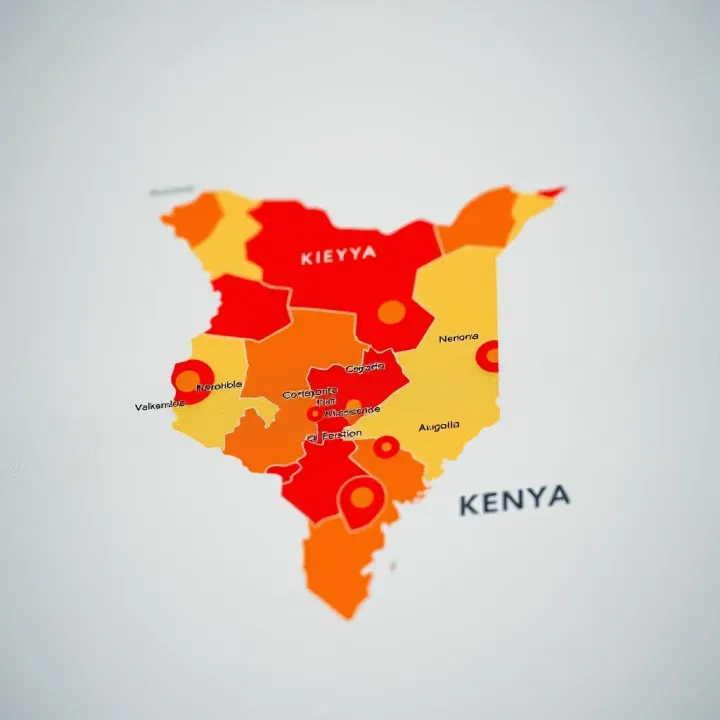
🌍 Explore disaster risk management in Kenya, key strategies, stakeholder roles, challenges faced, and practical ways to boost community resilience and preparedness.
Learn how risk management helps Kenyan businesses handle uncertainties and protect their interests with practical tips and strategies. 📊🔒
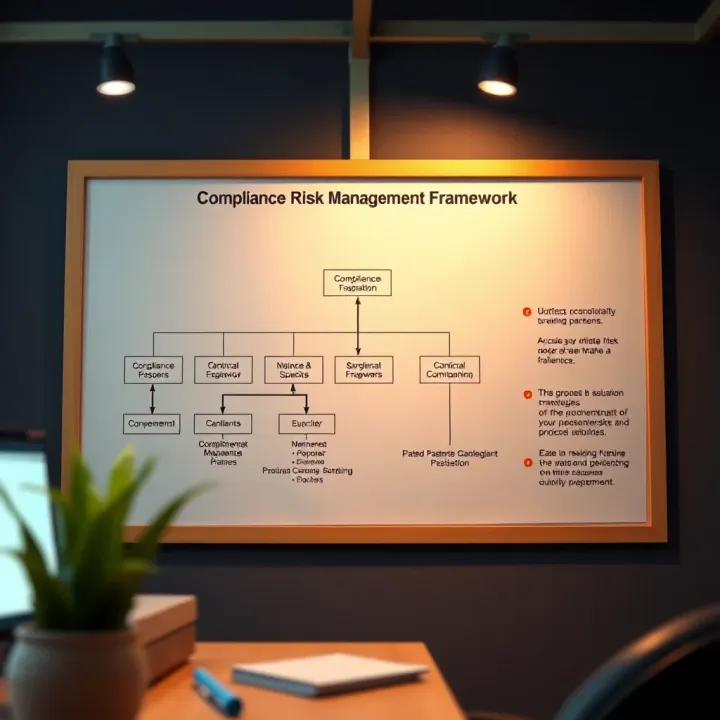
🔍 Learn proven strategies for effective compliance risk management in Kenya to avoid penalties, ensure operational integrity, and tackle local challenges head-on.
Based on 10 reviews