
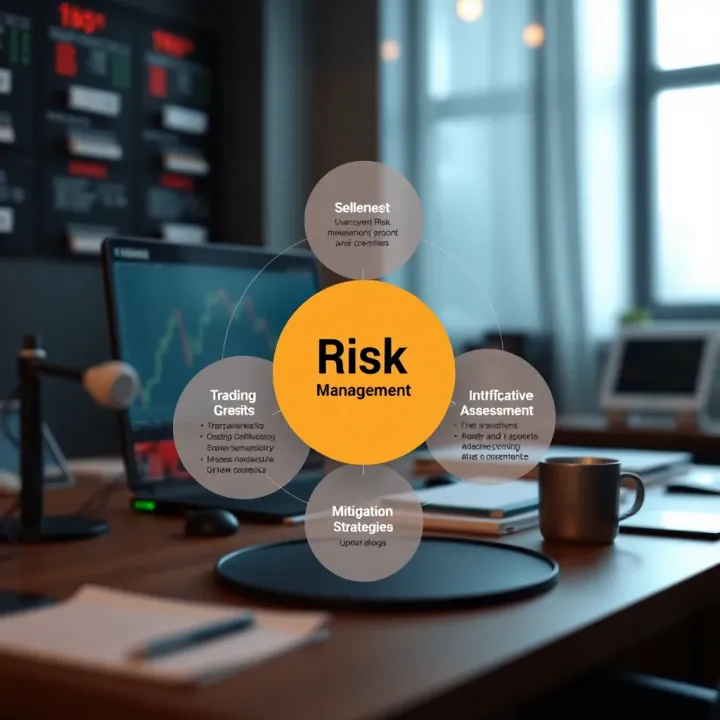
Understanding Risk Management in Business
🔍 Explore how Kenyan businesses manage risks with clear definitions, key strategies, and real-life examples to safeguard goals and improve operations.
Edited By
Laura Mitchell
Risk management is not just a fancy business term; it’s a practical necessity especially for traders, investors, and everyday Kenyans concerned about their financial future. Whether you run a small shop in Kisumu or manage a portfolio on the Nairobi Securities Exchange (NSE), understanding and handling risks can mean the difference between profit and loss, stability and chaos.
In business, risk management involves identifying potential problems—like currency fluctuations, supplier delays, or sudden market demand drops—and putting controls in place to reduce their impact. For instance, a farmer in Kericho might use crop insurance to guard against unpredictable weather, while a trader on the NSE might diversify shares to avoid putting all eggs in one basket.
On the personal finance side, risks such as income instability, medical emergencies, or theft can disrupt a family’s finances. Smart Kenyans use tools like NHIF (National Hospital Insurance Fund), emergency savings, or M-Pesa loan limits (like Fuliza) to manage these uncertainties. These measures help households avoid sinking into debt or selling critical assets when tough times hit.
"Managing risk isn’t about avoiding problems—it’s about preparing to handle them when they come."
For businesses, good risk management boosts confidence among investors and stakeholders. Banks, for example, look favourably on companies with clear risk strategies because they are less likely to default on loans. SMEs (Small and Medium Enterprises) that keep track of their operational and market risks tend to survive longer and grow steadily.
Likewise, individuals who plan for financial shocks are better positioned to maintain their lifestyle and pursue goals like education or starting a business. They can spot warning signs early and make decisions that prevent small hiccups from turning into major setbacks.
Minimises unexpected financial losses
Supports informed decision-making
Enhances business reputation and creditworthiness
Protects personal finances and family wellbeing
Helps meet regulatory and compliance requirements, relevant to Kenyan companies
By embracing practical risk management strategies, both businesses and households in Kenya can build resilience against the ups and downs of the economy. This means healthier finances, safer investments, and a clearer path to long-term goals.
In both business and personal finance, understanding risk management is about spotting possible threats that could knock you off course and knowing how to handle them before they become a bigger problem. For Kenyan traders, investors, or anyone managing money, this skill isn't just for big corporations; it’s a practical necessity to protect assets and plan effectively amid everyday uncertainties.
Overview of risk management concepts
Risk management involves identifying, assessing, and controlling risks that might lead to financial loss or operational disruption. In practice, a small business owner in Nairobi might use risk management to decide whether to insure stock against theft or to put procedures in place to reduce wastage. It helps you weigh the costs and benefits of different actions, striking a balance between avoiding losses and pursuing opportunities.
It’s a continuous process—risks change with the environment, so consistent monitoring and reviewing are vital. For example, a farmer near Kisumu could face flooding risks during the long rains and may need to adapt plans yearly.
Difference between risk and uncertainty
Understanding the distinction is key. Risk means you can assign a probability to an event happening based on past data or patterns, while uncertainty involves unknown factors where outcomes are less predictable. For instance, a shop owner might recognise the risk of theft and insure against it (a measurable risk), but sudden regulatory changes affecting business hours present uncertainty.
Dealing with risk is about managing known dangers. Uncertainty requires flexible strategies, like keeping cash reserves or diversifying investments to handle unexpected shocks.
Financial risks
These risks affect your money directly—currency volatility, interest rate changes, or bad debts. Imagine a Kenyan exporter whose payments arrive late or in weaker US dollars due to forex swings; this impacts profitability and cash flow. On a personal level, losing a job or defaulting on a loan also falls here, affecting your household’s financial stability.
Operational risks
Operational risks stem from day-to-day business activities—things like system failures, fraud, or supply chain issues. A boda boda operator relying on a mobile app for bookings faces risks if network coverage drops. Similarly, a supermarket in Eldoret may face operational risks from stock shortages or staff strikes, both of which disrupt service and revenue.
Market and credit risks
Market risks relate to changes in demand, prices, or competition. For example, a trader in Mombasa importing fabrics must watch regional market trends or face unsold stock. Credit risk concerns the chance that borrowers will default. A retailer offering products on credit relies on customers paying back on time; failure to do so affects liquidity.
Regulatory and compliance risks
In Kenya, regulatory risks include new laws, tax regulations, or licensing requirements. A company not complying with KRA tax obligations risks penalties. For instance, a small manufacturer might have to adjust quickly if new environmental rules limit waste disposal methods.
Effective risk management requires identifying the right type of risk you face and tailoring approaches accordingly. Recognising the differences and real-world examples helps in making informed, practical decisions.
Understanding these elements forms the foundation for protecting your finances and business from setbacks. It also encourages smarter planning and resilience against the unexpected twists common in Kenya’s dynamic economic landscape.
Managing risks well can save businesses and individuals a lot of trouble, especially when it comes to avoiding major financial hits. For example, a small manufacturing firm in Nairobi that regularly inspects its machinery can catch faults before they cause expensive breakdowns. This kind of proactive approach prevents sudden repair costs that could disrupt production and drain resources. Similarly, a household that budgets for unexpected medical expenses with NHIF contributions or emergency savings is less likely to face crippling debt.
Preventing losses isn’t just about avoiding big one-off costs. Often, it means steering clear of smaller, recurring issues that pile up and hurt profitability. For instance, a trader who monitors credit risks carefully might avoid dealing with suppliers or customers who default, thus maintaining steady cash flow. Without such measures, even a few bad debts can force a business to scramble for finance or reduce its stock.
A steady cash flow is the lifeblood of any business, and risk management helps keep it healthy. When risks are identified early, companies can allocate resources better and avoid sudden cash shortages due to unforeseen expenses. For example, Kenyan farmers who insure their crops against drought using weather-indexed insurance can avoid losing their entire season's income, ensuring they have funds to meet operational costs and repay loans.
Profit margins also benefit from well-managed risks. By having contingency plans, like diversifying revenue streams or maintaining buffer stock, businesses can continue earning even when one part faces trouble. This stability attracts investors and lenders who prefer to back ventures less likely to face financial setbacks.
When the Kenyan economy slows down or inflation bites, businesses that have planned for such risks tend to survive better than their competitors. For example, firms that maintain flexible supply chains or keep cash reserves can adapt quickly instead of shutting down. This resilience keeps employees working and prevents the loss of market share.
On a personal level, individuals who maintain diversified investments or multiple income sources are less vulnerable when job markets shrink or unexpected expenses arise. It’s not a guarantee against hardship, but it creates a cushion.
Kenya faces risks like floods, droughts, and occasional fires, which can wipe out assets or halt operations. Businesses that take up insurance policies against such events or invest in safety infrastructure protect themselves. For example, a shop in Kisumu that installs flood barriers and gets relevant insurance can recover faster after heavy rains.
Moreover, having clear emergency protocols and backup suppliers ensures operations aren’t completely paralysed during such shocks. This preparedness matters, especially for businesses tied to seasonal goods or tight delivery schedules.
Effective risk management doesn’t eliminate risk but helps you avoid the financial shock that can disrupt both business growth and personal stability in Kenya’s dynamic environment.
By focusing on preventing losses and ensuring continuity, risk management helps maintain good financial health in both business and personal finance contexts.
Effective risk management strengthens Kenyan businesses by helping them make better decisions and building confidence among investors and customers. In a market where economic shifts and regulatory changes happen frequently, managing risks carefully is not just a formality but a survival skill.
Data-driven insights and scenario analysis offer businesses a clearer view of potential challenges and opportunities. For example, a Nairobi-based agribusiness can use weather data and market trends to anticipate drought or price drops, allowing it to adjust planting schedules or diversify crops before losses happen. By analysing different scenarios, firms avoid guesswork and prepare for various possible futures, strengthening their strategic responses.
Setting realistic targets with risk awareness means companies can avoid overpromising and underdelivering. A tech startup in Kenya, for instance, may plan revenue goals while considering risks like late software development or unforeseen licensing costs. Acknowledging these risks up front helps leadership set achievable milestones, improving overall business stability and investor trust.
Trust-building through risk controls is vital for attracting and keeping investors. When Kenyan businesses adopt clear risk policies—such as transparent financial reporting and fraud prevention systems—they signal reliability. For example, a listed company on the Nairobi Securities Exchange (NSE) that regularly audits its compliance reduces investor concerns about hidden losses or malpractice.
Compliance with regulatory requirements goes hand in hand with risk management. Meeting Kenya’s increasing regulatory demands, such as tax filings via iTax or data protection laws, protects companies from fines and reputational damage. A firm that stays on top of these requirements avoids costly disruptions and shows customers and partners it respects legal frameworks, encouraging loyalty and long-term partnerships.
Effective risk management is not just a shield against losses; it's a foundation for sustainable growth.
In sum, Kenyan businesses that embrace risk management gain practical benefits: smarter planning, stronger trust, and better chances of thriving in a dynamic economic environment. These advantages translate directly into improved financial performance and competitive advantage in local and regional markets.
Applying the right risk management techniques and tools is key to protecting both business ventures and personal finances. These methods help pinpoint threats early, assess their impact, and set measures to minimise losses. For Kenyan traders and investors, adopting practical tools not only safeguards investments but also boosts confidence in decision-making.
Risk registers and assessments form the backbone of any solid risk management plan. A risk register is essentially a detailed list where potential risks are recorded, along with their likelihood and possible effects. For instance, a Nairobi-based agribusiness might track weather-related risks, fluctuating market prices, and input supply challenges. This record helps the business prioritise which risks need immediate attention and which can be monitored over time.
Beyond listing risks, assessments involve analysing these threats critically. Traders on the Nairobi Securities Exchange (NSE) often use risk assessments to evaluate market volatility or exchange rate shifts that could affect their portfolios. Assessments help quantify risks so that decisions are based on data, not guesswork.
Regular audits and reviews ensure risk management remains relevant as conditions change. Markets and business environments do not stay static—new risks emerge while existing ones evolve. This is why reviewing the risk register periodically is vital. In practice, a Kenyan exporter might conduct quarterly audits to account for regulatory changes in export rules or shifts in currency controls enforced by the Central Bank of Kenya (CBK). Such ongoing evaluation keeps the risk strategy fresh and actionable.
Moreover, audits help detect any gaps in previous risk controls and adjust strategies accordingly. This approach reduces surprises and keeps businesses agile in responding to unexpected challenges.
Insurance options and guarantees provide a safety net against unavoidable losses. For many Kenyan businesses, insurance covers are essential, whether for goods in transit or property against fire and theft. For example, a small retail shop in Thika would benefit from insurance against fire or burglary, protecting the owner's savings and livelihood.
Personal finance also gains from insurance plans, such as life cover or health insurance through the National Hospital Insurance Fund (NHIF). These policies help households avoid draining their savings in case of emergencies. Guarantees from suppliers or financial institutions, like bank guarantees, also secure transactions, reducing risk in larger deals.
Diversification and contingency planning spread risk to avoid putting all eggs in one basket. Investors on the NSE typically balance their portfolios across different sectors—like banking, manufacturing, and telecommunications—to cushion against sector-specific downturns. Similarly, Kenyan farmers diversify crops and livestock to maintain income even when rains fail or market prices drop for a particular product.
Contingency planning involves preparing alternative courses of action. For small businesses relying on direct cash sales, a contingency plan could mean establishing mobile money payment options or delivery partnerships with services like Glovo or Bolt during periods of restricted movement. Such plans keep operations running smoothly despite disruptions.
Consistently using these risk management tools helps businesses and individuals build resilience, making it easier to spot trouble early and act decisively before losses escalate.
By embracing risk registers, regular audits, insurance covers, and smart diversification, Kenyan traders and investors position themselves to withstand shocks better and maintain steady growth.
Integrating risk management into everyday business activities is essential for keeping threats in check and ensuring smooth operations. When risk considerations become part of the daily routine, a business or individual is better prepared to handle surprises before they turn into serious problems. This approach is particularly important for Kenyan businesses juggling fluctuating market conditions, regulatory changes, and operational challenges.
Training staff and management is key to embedding risk awareness in the workplace. It means giving employees the skills and knowledge to spot risks relevant to their roles and understand how to respond effectively. For example, a cashier trained to identify fraudulent transactions or a procurement team aware of supplier reliability can prevent losses early on. Such training also improves overall vigilance, fostering a workforce that contributes actively to maintaining safety nets.
Beyond formal sessions, continuous learning ensures that staff keep up with emerging risks, be it cyber threats or compliance updates from bodies like the Capital Markets Authority (CMA). Management must lead these efforts by emphasising accountability and clear risk responsibilities across departments.
Encouraging open communication about risks helps create a transparent environment where staff feel comfortable reporting issues without fear of blame. When workers can openly discuss challenges like delayed payments, theft, or equipment faults, the organisation can address problems promptly. This culture often unmasks hidden risks that formal reports might miss.
In Kenyan SMEs, for instance, a cashier might notice a pattern of missing cash during busy hours and raise the flag early if the environment supports open dialogue. Regular team meetings or anonymous feedback channels can also play a part in making risk reporting routine rather than an afterthought.
Software solutions for tracking risks have become increasingly accessible and effective. Tools like risk registers or specialised Enterprise Risk Management (ERM) software allow businesses to catalogue, measure, and prioritise risks systematically. This approach goes beyond paper-based checklists to offer real-time insights.
In practice, a Nairobi-based business could use software to monitor credit risks by tracking client payment delays and flagging those that require follow-up. These platforms often provide dashboards illustrating risk trends, which support decision-making at the management level.
Leveraging mobile platforms and data analytics is especially relevant in Kenya, where mobile penetration is high. Mobile apps can facilitate quick reporting of incidents (like theft or accidents) directly from the field or store. Plus, data analytics can comb through operational data—such as sales figures, inventory levels, or financial transactions—to detect anomalies early.
For instance, a company using M-Pesa integrated analytics might identify unusual transaction patterns suggestive of fraud or errors. Prompt alerts help mitigate potential losses and improve overall vigilance while enabling management to make informed choices on resource allocation and risk mitigation.
Embedding risk management in day-to-day operations requires effort but pays off by reducing surprises and strengthening the business or household’s financial health over time.
By fostering a risk-aware culture and harnessing technology suited to local conditions, Kenyan enterprises and individuals can better navigate uncertainties and protect their interests every day.
🔍 Explore how Kenyan businesses manage risks with clear definitions, key strategies, and real-life examples to safeguard goals and improve operations.

📊 Dive into financial risk management to grasp key concepts, types of risks, and practical tools that help businesses in Kenya manage and reduce losses.
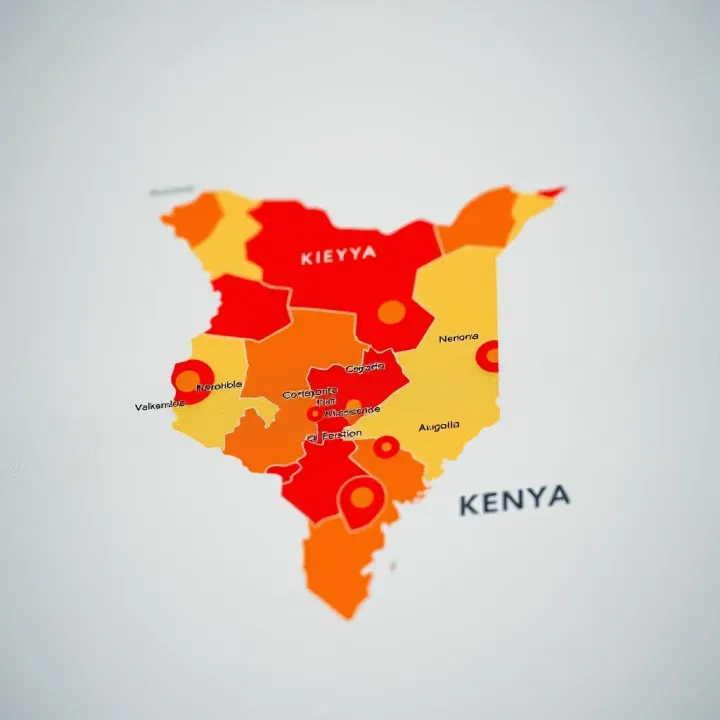
🌍 Explore disaster risk management in Kenya, key strategies, stakeholder roles, challenges faced, and practical ways to boost community resilience and preparedness.
Learn how risk management helps Kenyan businesses handle uncertainties and protect their interests with practical tips and strategies. 📊🔒
Based on 5 reviews