

Forex Trading Basics for Kenyan Traders
Learn forex trading basics in Kenya 💹. Understand market structure, key terms, strategies, risk management & legal tips to trade confidently.
Edited By
Benjamin Clark
Forex trading has increasingly caught the attention of Kenyans searching for new income avenues beyond traditional jobs or businesses. With Kenya's financial markets growing and digital access becoming widespread, many are turning to forex trading for extra earnings or even full-time ventures. However, navigating forex markets can be tricky without practical guidance.
That’s where a well-crafted forex trading tutorial PDF comes in handy. It breaks down complex trading concepts into manageable sections, offering straightforward explanations on how forex works, effective strategies, and risk management tailored to Kenyan conditions.

Basics of the Forex Market: Understand currency pairs, pips, lots, and leverage with examples relevant to Kenyan shilling (KSh) exchange rates.
Trading Platforms and Tools: Practical walkthroughs on using platforms common in Kenya, including MetaTrader 4 and Safaricom’s M-Pesa integration for funding accounts.
Strategies: From simple day trading methods to trend following, the guide will cover approaches suited for Kenyan traders with limited time and capital.
Risk Management: Realistic advice on setting stop losses and limits to avoid wiping out savings, especially important given forex’s high volatility.
Step-by-Step Setup: Clear instructions on opening accounts, verifying documents, and initiating trades while aligning with regulations from the Capital Markets Authority (CMA).
A good forex trading PDF is more than theory—it’s a toolkit helping you practise what you learn, ensuring you build confidence and avoid costly mistakes.
Kenyan traders face unique challenges such as currency fluctuations influenced by local factors, internet connectivity issues, and mobile payment system preferences. This guide takes those into account, making forex trading more accessible and less intimidating.
By the end of this tutorial, you should be able to start trading with a clear understanding of the market mechanics and how to protect your investments. Whether you’re an individual hustler or part of an investment group, getting familiar with these fundamentals will help you navigate the forex scene more confidently.
In the following sections, you will find detailed yet practical steps covering everything from setting realistic goals to executing your first trade. Keep reading to equip yourself with skills that could redefine your financial future in Kenya’s digital and global marketplace.
Understanding forex trading and how tutorial PDFs can aid your learning is the first step to becoming a confident trader. Forex trading involves exchanging currencies, a process affected by global financial flows and local events. Tutorial PDFs offer a practical way to grasp these concepts at your own pace, especially if you're new to the market.
Forex trading centres on buying one currency and selling another simultaneously. Commonly traded currencies include the US dollar (USD), euro (EUR), British pound (GBP), and Japanese yen (JPY). These come in pairs, such as EUR/USD or GBP/USD. For Kenyan traders, the USD/KES pair is particularly relevant since it reflects the local shilling against the US dollar, a key factor affecting import costs and remittances.
Understanding currency pairs helps you follow market movements and make informed decisions. For example, if you expect the US dollar to strengthen against the shilling, you might choose to buy the USD/KES pair anticipating profit from the shift.
The forex market runs 24 hours during weekdays across different time zones. Major financial centres like London, New York, Tokyo, and Sydney keep trading active nearly round-the-clock. This global nature means price changes happen continuously in response to economic news, geopolitical events, and market sentiment.
For a Kenyan trader, knowing these global market hours helps in planning your trading activities. For instance, the London session overlaps with Nairobi time, making it an active period to watch the USD/KES or EUR/USD pairs.
Tutorial PDFs provide structured learning without the distractions of video or live sessions. You can study the material offline, pause to reflect, and revisit complex topics at your leisure. This suits traders in Kenya, where internet access may be inconsistent or costly.
Plus, PDFs often include charts, examples, and exercises that help beginners cement understanding. For example, a PDF tutorial might walk you through reading candlestick charts, explaining each pattern step-by-step.
A quality forex tutorial PDF should be clear, concise, and up-to-date. Look for materials that focus on basics first before progressing to advanced strategies. Case studies or examples using real market conditions, preferably including Kenyan market references like USD/KES trends, are useful.
Also, check that the PDF covers risk management and trading discipline, crucial for avoiding losses. Reliable tutorials avoid get-rich-quick promises and emphasise steady learning and practice.
Starting with the right forex tutorial PDF can save you time and protect you from common pitfalls as you build your trading skills.
By using tutorial PDFs to understand forex fundamentals and market operations, you are better placed to navigate the complexities of currency trading safely and confidently.
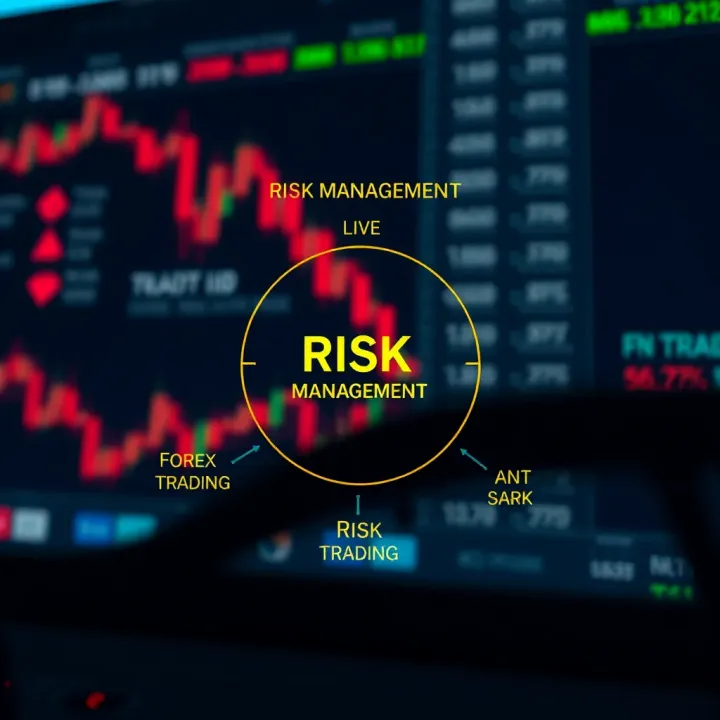
Understanding the essential concepts in forex trading sets the foundation every trader needs to succeed. This section breaks down key aspects such as currency pairs, leverage, margin, and the basics of reading price charts. Kenyan traders benefit by grasping these ideas early, as they directly impact decision-making and risk control in live markets.
Currency trading is always between two currencies, known as a currency pair. The first currency is called the base currency, while the second is the quote currency. For example, in the pair USD/KES, the dollar (USD) is the base, and the Kenyan shilling (KES) is the quote. If the pair is quoted at 110, it means 1 USD equals 110 KES.
Knowing the base and quote currencies helps you understand how much you’ll pay or receive when buying or selling. For instance, if you expect the dollar to strengthen against the shilling, you would buy USD/KES, hoping to sell later at a higher price.
The bid, ask, and spread are vital terms you encounter every time you trade. The bid is the price a broker is willing to pay to buy the base currency, while the ask is the price at which you can buy it. The spread is the difference between these two prices and represents the broker’s commission.
For example, if the bid is 109.90 and the ask is 110.10, the spread is 0.20. This might look small, but it affects your profitability because you pay the ask price to enter a trade and receive the bid price when exiting.
Leverage lets you control a large position with a relatively small amount of your own capital. In Kenya, many brokers offer leverage ratios like 1:100, meaning you can control KSh 100,000 in the market with just KSh 1,000.
While leverage can boost profits, it also magnifies losses. The margin is simply the amount you must have in your account to open a position. If your losses approach your margin, your broker may issue a margin call, requiring more funds or closing your trade to prevent further loss.
Margin trading carries significant risks. If the market moves against you unexpectedly, your losses can exceed your initial margin, wiping out your capital quickly. Kenyan traders should be cautious, using stop-loss orders and not risking more than they can afford to lose.
Some brokers also offer negative balance protection, which limits losses to your deposited funds. Still, a clear understanding of how leverage and margin affect your trades can prevent costly mistakes.
Forex charts display price movements and come in different forms: line charts, bar charts, and candlestick charts. Candlestick charts are popular among Kenyan traders for their clear visual clues about price action over time.
Technical indicators help analyse these charts to predict possible price moves. Common indicators include the Moving Average (MA), which smoothens price data to show trends, and the Relative Strength Index (RSI), which signals overbought or oversold conditions.
Learning to read charts and apply technical indicators effectively provides an edge in timing trades.
By understanding charts and indicators, traders avoid guessing and back their decisions on visible market patterns and signals, which is a practical step even beginners can take with practice.
Understanding core trading strategies is essential for forex traders, especially beginners navigating the volatile market. Tutorial PDFs break down these strategies into digestible concepts, enabling traders to grasp how to interpret market movements and make sensible trades. Kenyan traders can benefit greatly by applying these strategies practically, using examples from local and international economic contexts.
Economic indicators, like GDP growth rates, inflation, and employment figures, significantly affect currency prices. For instance, if Kenya's inflation rate rises more than expected, the Kenyan shilling may weaken against the US dollar because higher inflation can erode purchasing power. Tutorial PDFs help traders learn to monitor such indicators and predict probable market reactions.
Events also play a major role. Political developments, central bank announcements, or unexpected incidents like natural disasters can cause sudden swings in forex prices. For example, a decision by the Central Bank of Kenya to adjust interest rates will likely influence the shilling's strength. By understanding these events, traders anticipate price volatility and position themselves accordingly.
Trend following involves identifying the general direction of a currency pair’s price over time and trading in that direction. If the Kenyan shilling is steadily strengthening against the euro, a trader following the trend might buy KES/EUR expecting the rise to continue. Tutorials walk traders through recognising trends with charts and indicators.
Support and resistance levels show price points where the market historically reverses or pauses. Say USD/KES has bounced back multiple times from KSh 110, that price acts as a support level. Knowing where these levels stand helps traders time entry and exit points to avoid steep losses or catch early gains.
Relying on just fundamental or technical analysis can be risky. Using both together gives a clearer picture. For example, if technical analysis shows an upward trend in USD/KES but fundamental news signals political uncertainty, a trader may decide to wait. Tutorials often emphasise combining insights to reduce risk and increase confidence in decisions.
Managing trading decisions requires discipline and planning. Tutorials encourage setting clear criteria for trades, using stop-loss orders, and keeping emotion in check. Practically, this means sticking to predetermined rules rather than chasing quick profits, a habit that often leads to poor results.
Combining strategies and managing emotions separate wise traders from novices. A balanced approach grounded in solid analysis is the best way to navigate forex successfully.
By mastering these core strategies through tutorial PDFs, Kenyan traders gain practical tools for handling the local and global forex markets with greater confidence.
Managing risk and maintaining discipline are cornerstones of successful forex trading, especially for Kenyan traders who face dynamic markets and economic shifts. Sound risk management helps protect your capital from unexpected market swings, while discipline ensures you stick to your strategy without letting emotions like fear or greed take over.
Preventing major losses: Stop-loss orders act like a safety net, limiting how much you could lose in a single trade. For example, if you buy USD/KES at 110 and set a stop-loss at 108, your position automatically closes if the rate falls to 108. This prevents small setbacks from snowballing into serious financial damage. Without stop-losses, it's easy to get caught up in hope that the market will turn around, which rarely ends well.
Securing profits consistently: Take-profit orders lock in gains by closing positions when they reach a target price. Suppose you expect the USD/KES rate to rise to 115; setting a take-profit at that level sells your position automatically once achieved. This approach avoids missing out on gains if the market retreats after hitting your target. It’s a practical way to build steady profits rather than chasing every possible big move, which can be exhausting and risky.
Tracking trades: A trading plan is more than just a list of strategies; it includes clear records of all your trades. Keeping track enables you to spot what’s working and what isn’t. For instance, if you notice a pattern that trades opened on Mondays tend to yield losses, you can adjust your strategy accordingly. In Kenya, where access to in-depth market analysis can be limited, maintaining a log helps you learn from real experience rather than relying solely on guesswork or hearsay.
Maintaining emotional control: Trading often tests patience and emotional stability. Without a plan, it's tricky to avoid reacting impulsively to market fluctuations. A solid plan keeps you anchored, detailing entry and exit points, risk limits, and profit goals. If your emotions push you to deviate, the plan serves as a reminder to stick to tested rules. For example, during sudden market news, fear might tempt you to dump positions hastily, but the plan encourages you to assess calmly and act consistently.
Consistently managing risk and following a trading plan separates disciplined traders from those who gamble. It’s about protecting your resources and making measured moves, vital skills for anyone serious about forex trading in Kenya.
Trading tutorial PDFs often emphasise these principles because mastering both risk management and discipline can turn trading from a risky gamble into a viable source of income and growth. If you're starting, practise these habits early to build confidence and resilience on your trading journey.
Starting forex trading in Kenya requires careful consideration to avoid common pitfalls and build a strong foundation. The forex market, while offering opportunities, demands that traders understand the local context—such as regulatory requirements and platform accessibility—before risking their capital. This section highlights practical steps and choices Kenyan traders must make to begin their journey with confidence.
Choosing a regulated broker is vital to safeguard your funds. In Kenya, the Capital Markets Authority (CMA) oversees brokers to ensure fair practices and discourage scams. A CMA-licensed broker complies with Kenyan laws and offers added security compared to unregulated overseas brokers. Always verify a broker's credentials on the CMA website or reputable financial platforms before opening an account.
Ensuring safety also means looking at the broker's risk management policies, segregation of client funds, and whether they offer negative balance protection. These features limit your exposure and can prevent total loss during volatile market swings, which are not uncommon.
Most Kenyan traders prefer platforms with a user-friendly interface and local support. MetaTrader 4 (MT4) and MetaTrader 5 (MT5) remain the leading choices due to their wide acceptance, charting tools, and compatibility with mobile devices. Brokers like FXPesa, EGM Securities, and Exness Kenya provide access to these platforms with localised customer service.
Additionally, some brokers offer proprietary platforms with integrated local payment methods like M-Pesa, which simplifies deposit and withdrawal processes—a major practical benefit for Kenyan traders. It's worth demo-testing platforms to find the one that fits your trading style and ease of use.
Tutorial PDFs often guide traders to use demo accounts or paper trading — simulated trading environments where you practise without risking real money. This is especially valuable in the Kenyan context where forex literacy is growing but practical experience remains limited for many.
Using demo accounts allows you to apply concepts from tutorial PDFs in real-time market conditions, helping you sharpen skills like order placement, risk management, and strategy testing. For example, a trader following a tutorial on support and resistance can mark levels on charts and practise trade entries without pressure.
The forex market never stands still, so continuous learning is key. Tutorial PDFs are a great resource but should be complemented with regularly updated content, webinars, and news to keep pace with market changes.
Kenyan traders benefit from combining PDFs with local workshops and online forums, where experiences and recent developments are shared. By consistently updating your knowledge, you enhance your trading decisions and avoid outdated strategies that may no longer work.
Starting with the right broker, practising effectively, and committing to ongoing learning prepare Kenyan traders to navigate the forex market more confidently and sustainably.
Learn forex trading basics in Kenya 💹. Understand market structure, key terms, strategies, risk management & legal tips to trade confidently.

📘 Discover essential forex trading tips from top books tailored for Kenyan traders. Learn strategies, risk management, and psychology to boost your success!

🤖 Explore how bot forex trading works in Kenya, uncover benefits & risks, plus tips for choosing reliable bots and managing automated trades wisely.

🤖 Explore how forex trading bots work, their benefits, risks, and tips for Kenyan traders. Learn strategies, types, and legal points to trade smartly.
Based on 5 reviews