
Forex Binary Trading Guide for Kenyan Traders
📈 Discover how forex binary trading works in Kenya! Learn key strategies, legal tips, and risks to trade smart and stay informed in this volatile market.
Edited By
Grace Mitchell
Forex trading in Kenya has grown steadily as more people explore ways to make money beyond traditional businesses. Trading currencies on the global market offers real profit potential but requires more than just luck. To navigate forex trading successfully, having proper training is essential.
Many Kenyan traders rush into forex trading after hearing success stories without understanding the skills and risks involved. Training provides a solid foundation, helping you grasp key concepts like currency pairs, leverage, spread, and market volatility. It also equips you to read charts, analyse trends, and develop strategies tailored to your financial goals.

Good forex training is not just theory—it includes practical exercises, live trading examples, and ongoing support.
In Kenya, you can find forex training from various sources, ranging from online courses and webinars to in-person workshops by licensed brokers and local financial experts. Choosing the right training means looking for reputable providers who cover both basics and advanced trading techniques clearly. For instance, KPMG Kenya and other financial training centres often run accredited programmes catering to different skill levels.
To start, focus on learning the most traded currency pairs like USD/KES and EUR/USD, understanding how the Kenyan shilling reacts to economic events, and getting familiar with popular trading platforms like MetaTrader 4 or 5. Building skills such as risk management, discipline, and market analysis can help reduce losses and increase your chances of consistent profits.
Traders should also prepare for common challenges: market unpredictability, emotional decision-making, and scams that target uninformed investors. A strong training foundation helps identify credible brokers and avoid pitfalls.
In summary, beginning forex trading without training is like setting off on a long road trip without a map. Getting proper education sharpens your skills, boosts confidence, and supports smarter trading decisions—especially important in Kenya where market dynamics can be unique.
Understanding forex trading training and its practical benefits is the first step towards growing your KSh profits steadily and with less stress.
Forex trading, or foreign exchange trading, involves buying and selling currencies on a global market. Unlike stocks or commodities, forex trades happen over the counter, meaning there’s no central exchange. This market runs 24 hours a day during weekdays, reflecting international business hours from Asia through Europe to the Americas. For Kenyans, this means there's constant opportunity to participate, whether during the day or late at night.
Forex trading is essentially exchanging one currency for another, usually in pairs like USD/KES (US dollar to Kenyan shilling) or EUR/USD (Euro to US dollar). Traders aim to profit by predicting if one currency will strengthen or weaken against the other. For example, if a trader believes the US dollar will gain against the Kenyan shilling due to economic changes or Central Bank decisions, they might buy USD/KES and later sell at a higher price to earn the difference.
The forex market is massive, handling over $6 trillion daily worldwide, and Kenya participates through banks, financial institutions, and individual traders. Many local brokers facilitate forex trading with platforms accessible via mobile or desktop, allowing Kenyans to tap into the global currency flows.
Jumping into forex trading without proper training is like setting off on a road trip without a map. The market’s volatility can lead to quick profits but also heavy losses. Training equips you with necessary knowledge on how the market works, effective strategies, and risk management.
Take for instance a trader who learned technical analysis through training and can now identify trends and price patterns. This skill helps in choosing more strategic entry and exit points, reducing guesswork. Plus, understanding risk management prevents a single bad trade from wiping out your entire account — a common pitfall among beginners.
Moreover, forex trading training introduces discipline and mindset techniques to handle emotions like fear and greed. These psychological factors often cause traders to overtrade or exit positions prematurely.
Proper training turns a risky guesswork game into a calculated investment activity. It’s crucial especially in Kenya, where access to reliable information can be limited and the temptation to fall for scams is high.
In a nutshell, understanding forex trading and investing time in comprehensive training forms the bedrock of successful trading. It not only improves your chances to make reasonable profits but also helps protect your capital in the ever-changing currency markets.
Successful forex trading doesn’t just happen by chance; it demands a solid foundation built on key elements that every trader must master. Good training covers these essentials, ensuring you not only understand the market but also manage risks and stay disciplined. Here’s a closer look at crucial components that shape effective forex trading education.

Understanding the basics is the first step in forex training. Terms like "pip," "spread," "leverage," and "margin" might initially sound like jargon, but they define how the market operates. For instance, knowing that a pip represents the smallest price movement in a currency pair helps you grasp how profits or losses are calculated. Without this groundwork, traders risk making errors that quickly eat into their capital.
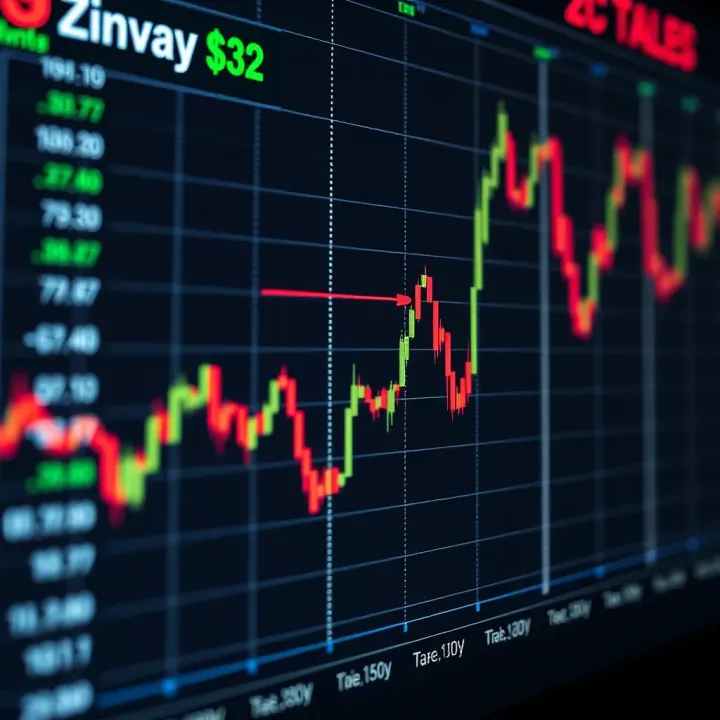
Most successful traders owe their results to technical analysis—the practice of studying price charts to anticipate market movements. Learning to identify patterns like head and shoulders, double tops or bottoms, and key support and resistance levels can guide your entry and exit points. For example, a Kenyan trader observing the USD/KES chart might spot a resistance level at 115.50 and decide to sell when that price is tested, expecting a pullback. Coloured candlestick charts showing bullish or bearish trends are also vital tools mastered through proper training.
Forex markets are known for their volatility, making risk management essential to preserve trading capital. Effective training teaches how to use stop-loss orders to limit downside and how to position sizes relative to your total capital. Say you have KSh 100,000 and decide never to risk more than 2% per trade; this discipline prevents large unexpected losses. Without risk management strategies, one big bad trade can wipe out weeks or months of earnings.
Many traders lose out not because of bad strategy but due to poor mindset. Controlling emotions like fear or greed is crucial. Training that emphasises the development of discipline helps traders stick to their plans and avoid impulsive decisions. For example, a trader might feel tempted to increase stake size after a winning streak but disciplined trading advises against chasing losses or gains blindly. Practice and experience build this psychological strength over time.
Mastering these four elements through proper training sets you on the right path to sustainable forex trading. They’re not just knowledge but practical skills that protect your funds and guide consistent decision-making.
By focusing on fundamental terms, charting methods, risk control, and mental discipline, forex trading training in Kenya can equip you with the tools needed to trade confidently amid market fluctuations.
Choosing the right forex trading training in Kenya is a key step if you want to avoid common pitfalls and boost your chances of success. With many training options out there, picking one that suits your learning style, budget, and trading goals matters a lot. Good training cuts through jargon and equips you to handle real market scenarios, so you don’t waste your money or time on guesswork.
Online courses offer flexibility and are a popular choice across Kenya, especially for those who juggle work or school. You can find courses ranging from free tutorials to comprehensive paid programmes with videos, quizzes, and downloadable materials. Online training often allows pacing your learning comfortably, revisiting tricky concepts whenever you want. Platforms like Udemy and Coursera have forex courses tailored for African traders, including examples relevant to the shilling market.
In-person workshops provide hands-on learning and direct interaction with trainers. These are less common but valuable if you prefer a classroom setting or want immediate answers to your questions. Workshops may run over a few days in Nairobi or Mombasa, sometimes hosted by brokers or financial institutions. You get to network with fellow traders and practise live trading strategies under supervision, which can be a boost for beginners.
Mentorship programmes pair you with experienced traders for personalised guidance. This approach is ideal if you want tailored feedback and accountability while you develop. In Kenya, mentorship might come through trading groups or private coaches, often charging premium fees. A mentor can spot your mistakes early and help you adjust your plan, which speeds up learning but requires a strong commitment.
Credibility and reputation should top your checklist. Look for providers with verifiable success stories or positive reviews from Kenyan traders. Some local trainers may have ties with recognised firms or offer testimonials that you can cross-check. Avoid trainers who promise quick riches or use high-pressure sales, as these often lead to disappointment.
Course content and structure matter because forex trading covers many areas: fundamentals, technical analysis, risk management, and psychology. A good training programme breaks these down clearly and includes practical exercises. For example, a course that ends with creating a trading plan or live demo sessions reflects well-structured teaching. You want content that matches your current level and allows gradual skill building.
Cost versus value is another crucial factor. High price doesn’t always mean better training, while very cheap courses may skip essential topics. Many Kenyan learners find mid-range programmes that balance quality explanations, updated materials, and some interaction most worthwhile. Think about the long-term benefits—how much the skills can help you avoid losses and earn steadily.
Kenyan forex communities are a great support resource. Forums, WhatsApp groups, and Facebook pages where local traders share insights and experiences can supplement formal training. For instance, the Forex Trading Kenya Facebook group provides updates on brokers and market conditions affecting the shilling. Engaging with locals helps you grasp market rhythms and common challenges specific to Kenya.
Regulatory considerations are also vital. The Capital Markets Authority (CMA) supervises forex brokers and trading practices in Kenya. When choosing training, check that the provider emphasises compliance with CMA rules and guides participants on how to pick licensed brokers. Understanding regulations can protect you from scams and ensure your investments are safer.
Local case studies add real-world context that international courses might lack. Trainers who include Kenya-specific examples—like how currency fluctuations affect tea exports or remittances—make the lessons more relatable. Such examples help learners connect theory with the nuances of Kenya’s forex environment, improving their practical decision-making.
Picking the right training isn’t just about gathering knowledge but about setting a foundation for consistent, careful trading suited to your goals and Kenya’s market realities.
Learning forex trading theory is just part of the story. The real test comes when you put those lessons to use. Developing practical trading skills helps you bridge the gap between understanding concepts and confidently navigating live markets. It improves your chances of making consistent profits and managing risks effectively.
Before risking actual money, it's wise to trade using demo accounts offered by many forex brokers. These accounts simulate real market conditions without financial risk. For example, Equity Bank’s trading platform or FXPesa allows users to practise with virtual funds. Demo trading helps you understand order execution, test strategies, and get familiar with platforms without pressure.
Don’t just jump in and place random trades. Use this time to learn how market news affects currency pairs and how your moves impact your account balance. Treat demos like real trading to instil discipline. Keep a journal of your simulated trades to review patterns and mistakes.
A thoughtful trading plan is your best defence against impulsive decisions. It should detail your entry and exit points, risk levels, and objectives. For instance, you might decide only to risk 2% of your capital on a single trade or set a profit target of KSh 5,000 per day.
When Kenyan market hours and global currency sessions overlap, you can plan trades around those times to find better volatility and liquidity. Your plan needs to include rules for when to step back from trading, especially after losses.
Successful traders continually monitor their performance and tweak their approaches. After every trading day, review your trades to check if you followed your plan or let emotions take over. For example, if you notice consistently closing trades too early or late, adjust your strategy accordingly.
Use clear metrics like win-loss ratio, average gain or loss, and drawdown. You can keep a simple spreadsheet or use tools on your broker's platform. Regular reviews help you spot recurring errors and learn faster.
Developing practical skills through demo accounts, a solid plan, and constant review turns theory into results. It also helps you stay grounded amid the unpredictable swings of forex markets.
Mastering these steps builds confidence and improves your chances of profitable trading in the Kenyan and global forex markets.
Forex trading in Kenya offers promising earning potential, but it comes with its share of challenges. Understanding these hurdles and how to navigate them is vital for any trader looking to succeed. This section sheds light on three common issues traders face and practical ways to deal with them.
Market volatility means sharp price swings caused by events like economic data releases or geopolitical tensions. For Kenyan traders, volatility can be unsettling, especially when unexpected news impacts the US dollar or euro pairings often traded. To manage this, traders should use stop-loss orders to limit losses and avoid chasing the market in panic. For instance, during the recent global inflation concerns, some traders who ignored volatility faced heavy losses. Monitoring economic calendars and adjusting trade sizes during such times will also help reduce risk.
Emotions like fear and greed often make traders act impulsively — overtrading being a frequent symptom. For example, a trader who suffers a loss might try to recover their money quickly by placing multiple trades without proper analysis, leading to bigger losses. To avoid this, setting a clear trading plan with defined entry and exit points is key. Keeping a trading diary to note down reasons for each trade also promotes accountability. Importantly, taking breaks after losses can prevent emotional decisions. Mindfulness or simply stepping away from the screen often helps restore discipline.
In Kenya's growing forex market, scams are unfortunately common. Some fraudulent brokers promise guaranteed profits or ask for large upfront deposits without proper licensing. A good safeguard is to verify brokers through the Capital Markets Authority (CMA) Kenya or other recognised regulators. Avoid brokers without a transparent history or those pushing you to deposit quickly. Moreover, never share your account login or personal information lightly. Joining trusted local forex communities and forums can provide valuable insights and warnings about shady operators.
Always remember: consistent success in forex trading relies heavily on how you handle risks, emotions, and the choices you make about who to trade with.
By recognising these challenges and following practical steps, Kenyan traders can protect their investments and improve chances of building steady profits over time.
📈 Discover how forex binary trading works in Kenya! Learn key strategies, legal tips, and risks to trade smart and stay informed in this volatile market.

📈 Discover top forex trading classes in Kenya! Learn market basics, choose the right course, and navigate legal tips for smarter trading success.

Explore how forex brokers operate in Kenya 🇰🇪, what to look for, trader-friendly platforms, fees 💰, regulations 📜, and smart risk management tips.

Explore top forex trading apps in Kenya 📱, compare features, security ✅, and learn how to start trading while navigating local regulations and risks.
Based on 11 reviews