
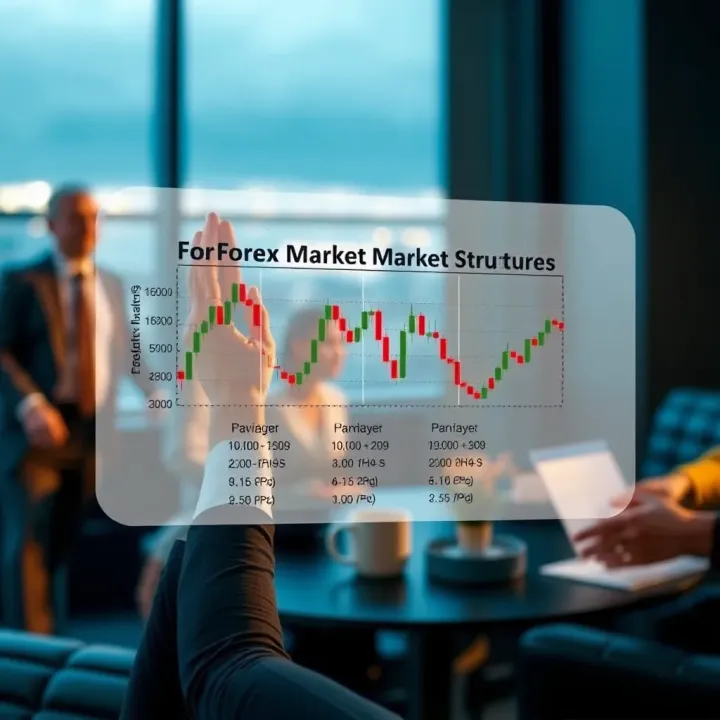
Forex Trading Basics for Kenyan Traders
Learn forex trading basics in Kenya 💹. Understand market structure, key terms, strategies, risk management & legal tips to trade confidently.
Edited By
Charlotte Mason
Forex trading has grown popular among Kenyans seeking new ways to earn extra income or build financial independence. But whether it is truly profitable depends on several key factors that every trader should know before diving in.
The foreign exchange market operates 24 hours a day and involves trading currency pairs like USD/KES or EUR/USD. Its global nature means prices respond quickly to economic news, political events, and central bank decisions, offering many chances to make profit but also introducing volatility.

Profitability in forex isn’t guaranteed. It comes down to understanding market behaviour, choosing the right strategies, and managing risks effectively. For example, a trader who relies purely on guessing trends without a clear plan will likely lose money. On the other hand, consistent profits tend to come from disciplined traders who analyse market fundamentals and technical indicators.
Successful forex trading requires a blend of knowledge, patience, and risk control rather than just luck or following hot tips.
For Kenyan traders, local context matters too. Access to reliable internet, trusted brokers regulated by the Capital Markets Authority (CMA), and funding options like M-Pesa or bank transfers all influence trading ability. Also, knowing how to navigate currency restrictions and taxation from the Kenya Revenue Authority (KRA) can affect net gains.
Here’s a quick look at how traders can improve the chances of profitability:
Market Knowledge: Stay updated on global and local economic reports affecting currency values.
Trading Strategies: Use tested approaches such as swing trading, scalping, or position trading suited to your style.
Risk Management: Set stop-loss orders and never risk more than a small percentage of your capital on one trade.
Emotional Control: Avoid impulsive decisions based on fear or greed.
Choosing Brokers: Pick firms registered with CMA with transparent fees and good customer support.
Understanding these elements helps Kenyan traders craft a practical path in forex trading. The next sections will break down these concepts further to provide insight so you can decide if forex trading aligns with your financial goals.
Getting a clear grasp of forex trading basics is key before putting your shilling on the line. For Kenyan traders, understanding how the forex market operates, alongside what affects profits, helps set realistic expectations and informed decisions. Forex trading involves buying one currency against another, so knowing how these pairs move and what influences them can improve your chances of making gains.
Forex trading centres on currency pairs, such as USD/KES or EUR/USD, showing the exchange rate between two currencies. When you buy a pair, you are buying the base currency and selling the quote currency simultaneously. For example, if the USD/KES rate moves from 110 to 112, it means the Kenyan shilling has weakened against the US dollar, so buying USD at 110 and selling at 112 can earn profit.
Price movements depend on supply and demand, affected by global events, economic data, or market sentiment. Kenyan traders often watch the USD/KES pair due to cross-border trade and remittances. Currency pairs are always quoted with a price that constantly fluctuates, offering opportunities but also risks.
Brokers act as the bridge between you and the forex market. They provide trading platforms where you can buy and sell currency pairs. These platforms, like MetaTrader 4 or local apps, show real-time prices and offer tools for analysis.
Choosing a reliable broker is crucial to protect your funds and ensure fair trading costs. Kenyan traders usually prefer brokers regulated by recognised authorities, such as CMA Kenya or international bodies. Also, the platform should support accessible payment options like M-Pesa for funding and withdrawals.
Volatility measures how much a currency's price changes over time. High volatility can provide more trading opportunities but also higher risk. For example, during Kenya’s election period, forex volatility tends to spike as investors react to political uncertainty.
Liquidity refers to how easily you can buy or sell currencies without causing big price changes. Major currency pairs like USD/EUR usually have high liquidity, meaning tighter spreads and faster orders. For Kenyan traders, trading less liquid pairs might mean wider spreads and slippage, cutting into profits.
Leverage lets traders control larger positions with a smaller capital amount, often 50:1 or more. While this can magnify gains – turning KSh 10,000 into a position worth KSh 500,000 – it can also increase losses just as quickly.
Margin is the actual amount needed to open a leveraged trade. If you don’t manage margin well, you risk a margin call where the broker closes your losing positions to protect their funds. Kenyan traders should always use leverage cautiously, balancing the desire for higher profits with the need to protect their capital.
Understanding these basics — how currency pairs work, the role of brokers, and factors like volatility and leverage — puts Kenyan traders in a better place to approach forex trading realistically and prudently.
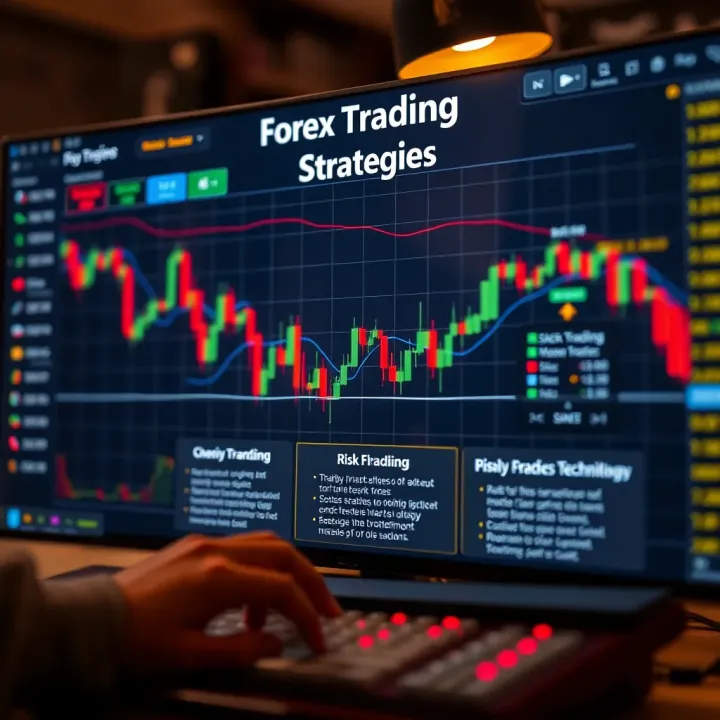
Kenyan traders mostly rely on two main approaches to make profit in forex trading: technical analysis and fundamental analysis. Both methods serve different purposes but can complement each other well. Understanding these methods help traders navigate the forex market more effectively and improve their chances of earning gains.
Chart patterns and indicators are the bread and butter of technical analysis. Kenyan traders often look for familiar formations such as head and shoulders, double tops or bottoms, and trend lines on price charts to predict possible future movements. Indicators like Moving Averages, Relative Strength Index (RSI), and Bollinger Bands assist in confirming trends or spotting overbought or oversold conditions. For example, a trader might observe that the USD/KES pair forms a ‘double bottom’ pattern signalling a potential price rise, prompting a buy decision. These tools help remove guesswork by focusing on price action and market behaviour.
Timeframes and trading styles also play a practical role in technical analysis. Some traders prefer short timeframes (e.g., 5 or 15 minutes) to capitalise on quick swings typical for day trading or scalping. Others may focus on longer charts (1 hour, daily) for swing or position trading, which suits those who have less time to follow market moves intensely. Choosing the right timeframe impacts how trades are entered and exited, matching the trader’s availability and risk appetite. For instance, a busy professional in Nairobi might adopt a swing trading style, checking charts once a day, while a jua kali trader with more flexible hours could try scalping.
Impact of economic data and news is key when using fundamental analysis. Kenyan traders often follow releases such as Gross Domestic Product (GDP) figures, employment reports, and inflation rates from countries behind the currencies they trade. These numbers can shift trader sentiment and cause notable price moves. For example, a stronger US jobs report could boost the US dollar against the Kenyan shilling, offering trade opportunities. Staying updated on this economic calendar allows traders to anticipate and react wisely to market changes.
Interest rates and geopolitical events heavily influence forex prices and thus profitability. Central bank decisions by the US Federal Reserve, European Central Bank, or even the Central Bank of Kenya affect currency values through interest rate changes or monetary policy outlook. Geopolitical developments—like trade tensions or regional conflicts—cause uncertainty that spooks markets or creates volatility. For Kenyan traders, understanding how interest rate shifts or East African Community (EAC) trade news impact their currency pairs helps avoid surprise losses and identify when to enter or exit positions. An example might be increased political unrest in a neighbouring country affecting the Kenyan shilling negatively.
Combining technical and fundamental analysis can offer Kenyan traders a fuller picture of the forex market, making profit opportunities clearer and risk more manageable.
These methods require practice and vigilance but provide the backbone for most successful forex trading strategies used by Kenyans.
Trading forex is not a guaranteed way to make money; many challenges and risks can reduce profitability, especially for Kenyan traders starting out. Understanding these risks—ranging from market unpredictability to personal discipline and local scam threats—is vital if you want to improve your chances of success. This section breaks down the main hurdles you should watch for.
Unexpected market moves can catch traders off guard and lead to losses. Forex markets react swiftly to news or events, sometimes causing sharp price swings within minutes. For example, a sudden political announcement in the United States, such as an interest rate decision by the Federal Reserve, may cause the US dollar to surge or plunge. Kenyan traders using high leverage can quickly lose their invested capital if they are unprepared for such moves.
Recognising that these abrupt price changes happen often means you must adopt strategies like stop-loss orders to limit potential damage. It also means not relying on certain outcomes but preparing for market surprises.
Impact of global economic changes is a daily reality for forex trading. Kenya’s economy and shilling exchange rates are indirectly affected by developments in global markets like the Eurozone, China, and the USA. For instance, if China announces weaker economic growth, commodities' prices might drop, affecting the Kenyan shilling because Kenya exports many raw materials.
These shifts, often driven by economic reports or geopolitical tensions, ripple through forex rates. Staying informed about international economic calendars and news can help you anticipate possible movements. Ignoring this data risks trading blindly and suffering avoidable losses.
Emotional control is key in forex trading. Fear and greed can cloud judgment, leading to impulsive decisions like holding losing trades for too long or jumping into trades without proper analysis. For example, a Kenyan trader who lets excitement from a winning streak push them to increase stakes drastically might wipe out gains very fast.
Keeping a cool head requires practice and a clear trading plan. Learning to stick with your strategy, regardless of temporary emotions, protects you from costly mistakes.
Avoiding common mistakes such as overtrading, ignoring risk management, or chasing losses can significantly enhance profitability. Kenyan traders sometimes fall into traps like trying to recoup losses by doubling positions or trading based on rumours from informal networks rather than solid analysis.
Being disciplined means setting clear rules about when to enter or exit trades and not bending them for convenience. Regularly reviewing your trades and learning from errors builds stronger habits over time.
Identifying fake brokers is a pressing concern in Kenya’s forex scene, where many unregulated platforms operate. These fake brokers promise unrealistic returns, use aggressive sales tactics, or disappear with clients’ funds. A common sign is unsolicited calls or messages pushing you to invest immediately or reopen accounts for bonuses.
To avoid falling victim, always research the broker’s reputation, check if they are licensed by the Capital Markets Authority (CMA), and read reviews from other Kenyan traders.
Staying safe in a largely unregulated market means taking precautions. Since not all forex platforms in Kenya are regulated, keep your investments minimal with new brokers and demand transparent communication. Using payment systems like M-Pesa for deposits offers extra layers of security.
It’s also wise to join local trading communities to share experiences and warnings about scam operations. Being vigilant protects your capital from disappearing overnight.
When trading forex, understanding risks—from market volatility to psychological pitfalls and scam threats—is not optional. It’s what will separate consistent profits from avoidable losses.
By recognising these challenges, you prepare yourself for the realities of forex trading in Kenya, making it possible to trade more confidently and avoid common pitfalls.
For Kenyan traders venturing into forex, practical tips are essential to boost chances of profit. Trading forex without clear strategies or understanding the tools is like navigating Nairobi traffic without a matatu schedule — it’s risky and unpredictable. These tips help you avoid common traps and manage the unique challenges faced in Kenya, such as regulators sparsity or payment system preferences.
Regulated vs unregulated brokers: Always opt for regulated brokers. In Kenya, the Capital Markets Authority (CMA) regulates reputable forex brokers to protect traders from fraud and malpractice. Using regulated brokers ensures your funds are safeguarded, and you deal with firms that comply with transparency standards. On the other hand, unregulated brokers often lure traders with unrealistic promises but pose significant risks of losing money and facing difficulties withdrawing funds. This is particularly relevant because Kenyan forex traders have reported challenges when dealing with brokers outside legal oversight.
Transaction costs and spreads: Transaction costs directly affect your profitability. Brokers earn through spreads — the difference between buying and selling price — and sometimes fees or commissions. Lower spreads are better, especially if you trade frequently. For example, a spread of 1 pip on EUR/USD might seem small but adds up across multiple trades, cutting into your gains. Also, hidden fees on deposits or withdrawals can reduce your net profit. Kenyan traders should carefully compare spreads on popular platforms like MetaTrader 4 or MetaTrader 5, and check if they can use affordable payment options like M-Pesa for smooth fund transfers.
Using stop-loss and take-profit orders: Stop-loss orders help limit your losses by automatically closing a trade once it hits a certain loss level. Take-profit orders close the trade when you've reached your target gain. These tools protect your capital from sudden market swings and emotional decisions. For instance, if you buy USD/KES at 110 and set a stop-loss at 108, the trade will close before bigger losses pile up. Kenyan traders should get used to using these orders, especially given how volatile forex markets can be following unexpected news or currency policy changes.
Limiting leverage use: Leverage lets you control large positions with a small amount of capital, but it magnifies losses as much as it does profits. Many Kenyan brokers offer leverage of up to 1:100 or more, which tempts traders to overtrade. It’s wise to use modest leverage like 1:10 or less. This reduces risk and helps you survive losing streaks. Too much leverage is like borrowing too much money; it can quickly wipe out what you've saved if the market moves against you.
Demo accounts and back-testing: Before risking real money, try a demo account that simulates market conditions without financial risk. Kenyan traders targeting forex profit should use demo accounts to test strategies, different currency pairs, and timeframes until they find what works. Back-testing involves applying your strategy to historical data to see how it would have performed. Both approaches build confidence and refine your trading skills.
Record keeping and reviewing trades: Keep clear records of every trade, including entry and exit points, reasons for trading, and emotional state. Reviewing your history regularly helps identify recurring mistakes and improve decision-making. Kenyan traders often overlook this, but disciplined record keeping is crucial for steady progress and adapting to changing market conditions. For example, noticing that certain trades lose money during Kenya’s economic announcements can inform better timing decisions.
Practical steps like choosing trustworthy brokers, managing risk properly, and testing your strategies increase your chances of making meaningful profit in forex trading. Without these, even a good market move might leave you with losses.
By focusing on these practical tips, Kenyan forex traders can navigate the complexities of the forex market with more clarity and safer hands.
Understanding forex trading in Kenya requires looking at local realities that directly affect how traders operate and succeed. The unique digital landscape, regulatory setup, and cultural attitudes together shape the trading environment. Without factoring in these local elements, Kenyan traders risk making decisions based on foreign models that may not fit their situation.
Kenya's increasing internet penetration and widespread mobile access have made forex trading more accessible than ever. Thanks to affordable smartphones and mobile data, even traders in smaller towns can join the market. However, connectivity can still be patchy in rural areas, which may disrupt live trading and timely order execution.
On top of connectivity, payment solutions like M-Pesa have transformed how Kenyan traders fund and withdraw from trading accounts. M-Pesa’s ease of use, combined with its near-ubiquity, allows seamless deposits and withdrawals without visiting banks or international wire transfers. This convenience means Kenyan traders can manage their forex accounts more efficiently, often in real time. For example, if a trader spots a good opportunity, they can quickly add funds via M-Pesa to act fast.
The Capital Markets Authority (CMA) Kenya plays a key role in providing oversight over forex brokers operating locally. While not all brokers are regulated by CMA, those licensed offer Kenyan traders more security and consumer protection. CMA licences ensure brokers comply with standards on client fund segregation and fair practices, reducing fraud risks common in unregulated spaces.
Taxation is another crucial consideration. Forex trading profits in Kenya are subject to income tax, either under Pay-As-You-Earn (PAYE) for employed individuals or as business income for traders operating independently. Traders should register with the Kenya Revenue Authority (KRA) and keep accurate records to meet tax obligations. Failure to declare gains could lead to penalties, which can quickly erode trading profits.
Forex trading still carries mixed perceptions in Kenya. Some see it as a quick route to wealth, while others consider it risky or even wasteful. This skepticism often arises from stories of scams or losses, which highlights the importance of clear, honest education about the realities of forex trading.
Improved financial literacy can make a big difference. Education empowers Kenyans to make informed decisions—understanding risks, knowing when to trade or step back, and utilising tools like demo accounts and risk management. Institutions offering training and the CMA’s efforts to promote investor awareness help build a more knowledgeable trader community. This background knowledge is essential for long-term profitability, since forex trading isn't a game of luck but skill and discipline.
Being aware of Kenya's digital, legal and cultural scene gives traders the edge to navigate forex trading more wisely and with better protection.
All told, local factors shape the forex market experience for Kenyan traders profoundly. Recognising and adapting to these realities improves the chances of successful trading while helping avoid common pitfalls unique to this environment.
Learn forex trading basics in Kenya 💹. Understand market structure, key terms, strategies, risk management & legal tips to trade confidently.

📘 Discover essential forex trading tips from top books tailored for Kenyan traders. Learn strategies, risk management, and psychology to boost your success!
🤖 Explore how bot forex trading works in Kenya, uncover benefits & risks, plus tips for choosing reliable bots and managing automated trades wisely.
🤖 Explore how forex trading bots work, their benefits, risks, and tips for Kenyan traders. Learn strategies, types, and legal points to trade smartly.
Based on 15 reviews