
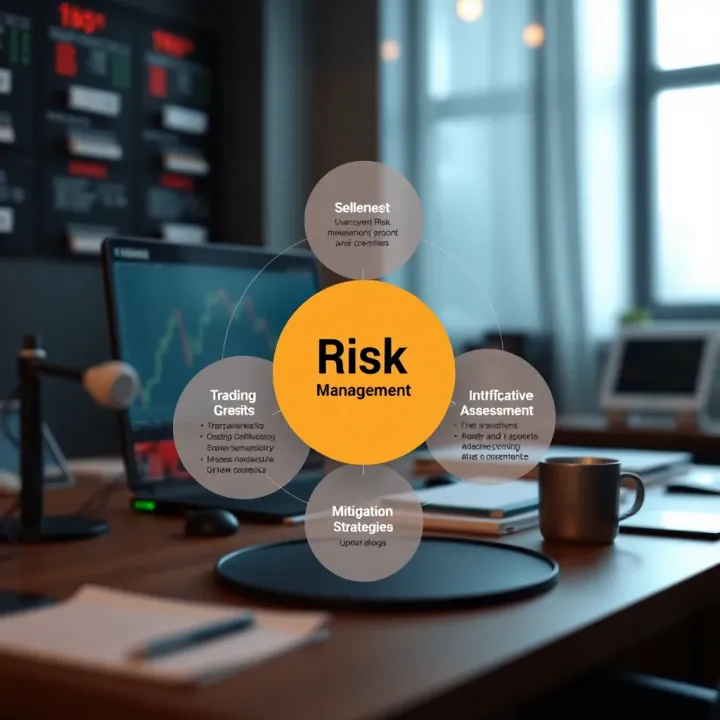
Understanding Risk Management in Business
🔍 Explore how Kenyan businesses manage risks with clear definitions, key strategies, and real-life examples to safeguard goals and improve operations.
Edited By
Emily Carter
Risk management isn’t just a fancy term reserved for big corporations or foreign investors. For Kenyan businesses and projects, having a clear and practical risk management plan is key to staying afloat when challenges arise. This plan helps you spot potential problems early, assess their impact, and take steps to reduce harm before it hits your bottom line.
In this context, risk refers to any factor that could disrupt your business operations, delay projects, or cause financial losses. Whether it’s fluctuations in the exchange rate affecting import costs, unreliable power supply slowing production, or delays in obtaining county permits, these risks are very real and need managing.

An effective risk management plan starts with proper identification of risks relevant to your business environment. This should go beyond obvious concerns and include local factors like political changes, weather patterns during the long and short rains seasons, and market trends in sectors like agriculture or real estate. For example, a jua kali workshop in Nairobi might face electricity outages and material price hikes, while a tea farm in Kericho contends with unpredictable rainfall.
After identifying risks, assess them by considering how likely each is to occur and the scale of impact on your business. This creates a clear picture of which risks to prioritise. It’s a bit like sorting your expenses—focus first on those bills that, if unpaid, would cause the biggest trouble.
With risks prioritised, you develop mitigation strategies. This might mean setting aside emergency funds, diversifying suppliers to avoid reliance on one source, or training staff on safety protocols. Besides prevention, monitoring systems should be in place to spot early warning signs.
A practical risk management plan is an ongoing process, not a one-time exercise. It keeps businesses agile by providing structured steps for recognising and handling challenges as they come.
To summarise, a tailored risk management plan for Kenyan businesses involves:
Identifying localised risks with concrete examples
Assessing each risk’s likelihood and impact
Crafting realistic mitigation and monitoring methods
This foundational understanding will guide traders, investors, analysts, and brokers to manage uncertainties effectively, protecting their ventures and investments in Kenya’s dynamic market.
A risk management plan is more than just a formality on paper. It acts as a roadmap for businesses and projects, laying out potential threats and detailing how they will be handled. For traders, investors, analysts, and brokers, understanding this plan helps reduce surprises that could shake investments or derail projects. A clear plan guides decision-making and resource allocation to address risks before they become costly problems.
A risk management plan is a documented approach that identifies, assesses, and manages risks throughout the life of a project or a business operation. It clearly outlines the possible risks, categorises them based on likelihood and impact, and sets strategies for mitigation, acceptance, transfer, or avoidance. For example, an investor analysing a new agro-processing venture may note supply chain interruptions due to seasonal rains as a risk and plan buffer stocks or alternative sourcing as mitigation.
Kenyan businesses face a unique mixture of risks, from fluctuating market prices to political changes and infrastructure challenges. For instance, a real estate developer in Nairobi must consider regulatory delays and changing zoning laws as risks. Without a proper risk management plan, such businesses may find themselves unprepared to handle these shifts, leading to losses or missed opportunities. Moreover, Kenya’s reliance on digital payments and mobile platforms like M-Pesa means cybersecurity risks have become a real threat, especially for fintech startups.
Having a risk management plan brings stability and confidence to decision-making. It helps businesses anticipate problems so they can plan ahead rather than react late. This proactive stance can save money, protect reputation, and improve compliance with Kenya’s regulatory framework. For example:
Reduces financial losses by avoiding or mitigating risks early.
Strengthens stakeholder confidence by showing professionalism and preparedness.
Improves resource use by allocating funds and manpower where risks are greatest.
Supports regulatory compliance by documenting controls and responses.
A well-crafted risk management plan allows Kenyan businesses to turn uncertainties into manageable challenges rather than threats that disrupt growth.
By understanding the purpose and benefits of a risk management plan, traders and investors can better assess business resilience and sustainability. It is not just a checklist but a vital tool that protects investments and drives smart decisions in Kenya’s dynamic market environment.
A risk management plan is only as good as the core components it contains. These main elements guide your team through identifying what could go wrong, assessing how serious the threats are, deciding how to deal with them, and finally keeping an eye on risks throughout the project or business operation. Kenyan traders and investors often face unique challenges, such as fluctuating market prices, regulatory changes, or unreliable supply chains, so these components ground the plan in practical action.
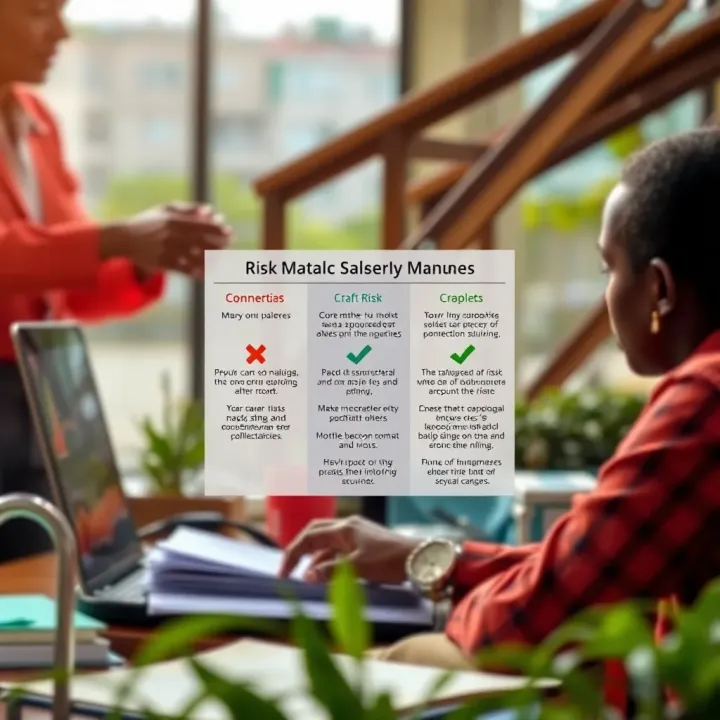
The first step is to clearly spot potential risks and describe them in plain terms. This means digging beyond surface issues and capturing specific situations that might impact your goals. For example, a Nairobi-based SME might identify risks like delayed stock delivery due to border clearances or sudden changes in currency exchange rates affecting import costs. A good description includes the risk source, what might trigger it, and the possible effect on your plan. Clear identification helps avoid surprises later on, turning vague fears into manageable issues.
Once identified, each risk must be analysed to understand its likelihood and potential impact. Assigning scores or categories—such as low, medium, or high—allows you to prioritise which risks demand immediate attention. Consider how often a risk could occur and how severely it could disrupt business. For example, power outages in some Kenyan counties might happen frequently but result in short interruptions, while a regulatory change could have a broad and lasting impact. Focusing on high-risk items ensures your limited resources target areas where the payoff is greatest.
With priorities set, the plan should outline how you will respond to each risk. Common strategies include avoiding the risk (changing plans), reducing its likelihood (using backup suppliers), transferring it (getting insurance), or accepting it if the cost to mitigate is too high. For instance, a local trader experiencing frequent currency fluctuations might hedge with forward contracts or price adjustments to manage exposure. Detailing these responses keeps the team ready to act and minimises loss if risks materialise.
Risk management doesn’t stop once the plan is made. Continuous monitoring ensures new risks are spotted early and existing risks are reassessed as projects or markets evolve. Kenyan businesses can use regular reviews, WhatsApp group updates, or dashboard tools to track risk status. For example, during Kenya’s rainy season, construction projects may increase their risk level for flooding, requiring more frequent checks. A regular review schedule helps keep the plan relevant and ensures lessons learned feed into improved risk handling.
Effective risk management relies on actively engaging with these components. Missing one increases vulnerability. Kenyan businesses working with unclear or incomplete plans risk losses and missed opportunities.
Together, these components form a strong foundation for a risk management plan that addresses the realities on the ground and supports confident decision-making.
A practical risk management plan provides a clear, hands-on guide for organisations running projects in Kenya. Applying theory to a real-life example helps clarify how to spot risks, prioritise them, and take action. This approach is especially useful in Kenyan business environments where unpredictable factors like weather, regulatory changes, or supply chain hiccups can impact projects quickly. By walking through an example, you see not just what to do, but how to do it effectively.
Consider a mid-sized Nairobi-based construction project aiming to build a residential block within 12 months. Stakeholders include contractors, suppliers, financiers, and the local county government. Key challenges involve obtaining timely permits, managing the supply of building materials, and staying within budget amid fluctuating costs. This overview sets the scene for identifying specific risks tied to timelines, resources, and regulatory compliance.
Identifying risks means listing possible events or conditions that could disrupt the project. For the construction project, risks include delays in permit approvals by the county, shortages in cement supply during the long rains, unexpected price hikes for steel, and labour strikes. Each risk is described clearly to ensure all team members understand potential threats. This step is crucial because unrecognised risks can hit hard without warning.
Once risks are identified, they are assessed based on their likelihood and potential impact. For example, delay in permit approval might have a high likelihood given bureaucratic slowdowns and a major impact on schedule. These are scored numerically, such as 4 out of 5 for likelihood and 5 out of 5 for impact, to prioritise which risks deserve urgent attention. This scoring helps the team allocate resources wisely instead of spreading efforts too thinly.
Good risk management ties each risk to an owner accountable for monitoring and managing it. The project manager might be responsible for tracking permits, while the procurement officer oversees material supply risks. Assigning clear responsibility ensures no risk gets ignored and that timely updates flow during team meetings. This accountability is particularly important in Kenyan projects, where overlapping roles can lead to gaps if no single person owns a risk.
For the high-priority risks, the plan outlines specific actions to reduce chances or impacts. For instance, engaging early with county offices to fast-track permits or pre-booking materials with suppliers before the rainy season starts. Contingency plans prepare the team for what to do if risks materialise—like identifying alternative suppliers in case of shortages or allocating extra budget for wage negotiations during strikes. Such steps keep the project nimble, reducing downtime and loss.
A practical risk management plan turns vague concerns into concrete tasks, making projects in Kenya more resilient and easier to steer under changing conditions.
This example not only shows the process but also reflects typical challenges Kenyan projects face, making it a realistic tool for traders, analysts, and project managers aiming to strengthen risk controls.
Using the right tools and techniques is key to managing risks effectively, especially in Kenyan business environments where challenges can shift quickly. These tools help you understand, prioritise, and address risks in a clear and practical way. Employing them ensures you aren’t just guessing or reacting too late but making informed decisions to protect your investments and operations.
Risk matrices and heat maps are visual tools that simplify the complex task of risk assessment. A risk matrix plots the likelihood against the impact of risks, making it easy to spot which risks need urgent attention. For instance, in a Kenyan agribusiness, drought might score as high impact and probable, pushing it to the red zone on the matrix.
Heat maps add colour coding to this, typically using green, yellow, and red to indicate low, medium, and high risk levels respectively. These visuals help teams quickly grasp risk priorities during meetings or reporting, saving time and enhancing focus. Local companies often rely on paper-based or spreadsheet heat maps for simplicity, though digital versions exist.
Several software tools have become popular among Kenyan businesses for risk management. For small and medium enterprises, tools like Microsoft Excel remain common due to ease of use and low cost, especially with customised templates for risk registers.
Meanwhile, larger firms and organisations opt for platforms such as Protecht.ERM and SAP Risk Management, which provide advanced features like real-time risk tracking, automated alerts, and integration with other business systems. These tools can link with Kenyan financial systems or ERP platforms, making risk data actionable.
It's worth noting that some companies integrate risk management features into broader project management tools like Microsoft Project or Monday.com, which staff already use, promoting better adoption.
Risk management isn’t a one-person job. Bringing in teams and stakeholders across departments ensures risk identification covers varied perspectives. For example, the finance team might highlight currency fluctuation risks, while operations pinpoint supply chain vulnerabilities.
Engagement improves accountability. Assigning clear responsibilities for each risk ensures mitigation actions get done, not just noted. Regular workshops or risk review meetings create a culture where risk awareness is part of everyday decision-making, not an afterthought.
Involving diverse voices and using easy-to-understand visual tools makes risk management practical, accessible, and effective. This approach suits the Kenyan business scene, where flexibility and collaboration matter.
Using these tools and techniques together helps Kenyan businesses turn risk management from a paperwork chore into a dynamic part of running projects and companies smoothly.
Kenyan businesses often face unique risk management challenges shaped by local economic, social, and regulatory environments. Recognising these common obstacles helps businesses tailor risk plans that truly address their realities. Likewise, adopting best practices can strengthen resilience, enhance decision-making, and improve investor confidence—essential factors for traders, investors, and analysts.
Many businesses in Kenya struggle with limited access to timely and reliable data for assessing risks. For example, SMEs operating outside major cities like Nairobi may lack sufficient market or financial information to forecast risks accurately. Inconsistent regulatory frameworks across counties also complicate compliance, as rules may differ for licenses, taxes, or environmental standards.
Additionally, many organisations still treat risk management as a paperwork exercise instead of a dynamic process. This is partly due to scarce skilled personnel familiar with risk tools and partly cultural, where risk aversion discourages open discussion about potential problems. The prevalence of informal business practices further complicates formal risk monitoring.
Lastly, external factors such as political instability during election years or weather shocks during the long rains season can trigger sudden risks that are hard to predict or control. For traders and investors, these volatile elements add layers of uncertainty that need strategic mitigation.
Creating a risk-aware culture starts with leadership demonstrating commitment to risk management beyond ticking boxes. Leaders should encourage honest conversations about risks at all levels, making it clear that identifying risks is not about blame. For instance, a Nairobi-based tech firm found that regular risk review meetings prompted innovations to address cybersecurity threats early, saving costs later.
Training is key: equipping staff with basic understanding of risk terminology and processes makes them partners in risk identification and mitigation. Simple workshops or short online courses on using risk matrices or heat maps can boost confidence.
Furthermore, integrating risk management into daily business operations rather than isolating it in a separate team helps maintain momentum. Tools like shared digital registers accessible via smartphones ease real-time updates, especially for companies with remote teams or field operations.
A solid risk culture transforms risk management from a compliance task into a strategic asset—essential for navigating Kenya’s fast-changing business environment.
To sum up, Kenyan businesses that tackle these common challenges head-on and nurture an open, educated risk culture stand a better chance of managing uncertainties effectively. This approach supports better-informed decisions that protect investments and drive sustainable growth.
🔍 Explore how Kenyan businesses manage risks with clear definitions, key strategies, and real-life examples to safeguard goals and improve operations.

Learn smart forex risk management strategies tailored for Kenyan traders 🇰🇪. Protect your capital and boost your trading results with practical, easy-to-follow tips.

🔍 Learn key compliance and risk management strategies for Kenyan businesses. Understand local laws, identify risks, and use tech tools for safer operations.

Discover how risk management safeguards assets, streamlines operations, and boosts trust in Kenyan businesses. Enhance your strategy today! 🔒📊🇰🇪
Based on 6 reviews