
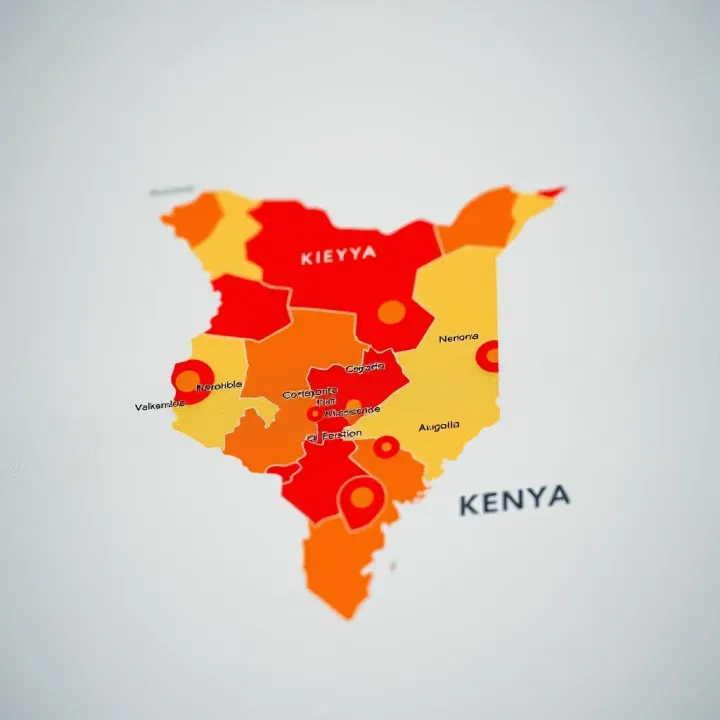
Understanding Disaster Risk Management in Kenya
🌍 Explore disaster risk management in Kenya, key strategies, stakeholder roles, challenges faced, and practical ways to boost community resilience and preparedness.
Edited By
Henry Morgan
Every day, businesses in Kenya face risks that can shake their operations, finances, or reputation if not managed well. A risk management strategy helps organisations spot these potential problems early, decide how serious they are, and plan how to reduce or handle them. Without a proper plan, even a small issue like a matatu strike or power outage can cause big losses.
Successful traders, investors, and analysts know that understanding risks isn’t just about avoiding losses but making informed decisions that help grow wealth steadily. For example, a manufacturer in Nairobi might face supply chain risks if their main supplier delivers late, affecting customer satisfaction and revenue. Recognising this risk early and having backup suppliers can make the difference between smooth operation and costly delays.
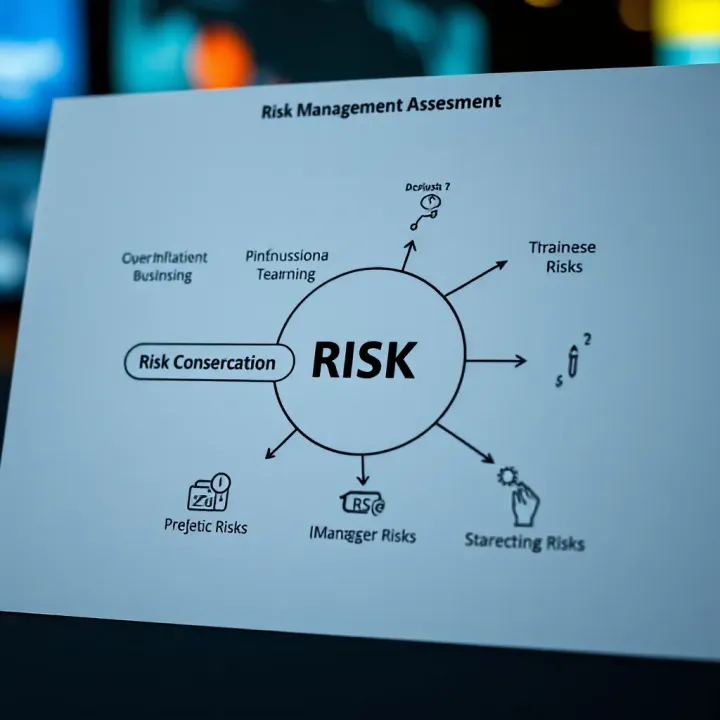
Risk management isn't a one-time exercise but an ongoing process that adjusts as markets and business environments change.
Companies need to identify the types of risks relevant to their field - these could be financial (like currency fluctuations), operational (such as machine breakdowns), market-related (changing consumer trends), or reputational (social media backlash). Then they assess each risk’s chance and potential impact. This assessment helps prioritise which risks deserve immediate action and which can be monitored.
A good strategy includes:
Clear processes for identifying and rating risks regularly
Practical steps to reduce, transfer, or accept risks based on their severity
Systems to keep track of risk factors and the effectiveness of mitigation efforts
In Kenya’s fast-changing business climate, factors like political shifts, regulatory changes by bodies such as the Capital Markets Authority (CMA), or infrastructure challenges must be part of this strategy. For instance, investors trading on the Nairobi Securities Exchange (NSE) must consider how weather patterns during the long rains season affect supply chains and market demand.
With this practical approach, Kenyan businesses can safeguard growth by turning uncertainty into manageable challenges rather than threats. The following sections will break down the process step-by-step, backed by real-life examples and tools relevant to the local context.
Getting a firm grip on the basics of risk management strategy is vital for any organisation aiming to stay afloat amid uncertainties. It lays out clear methods for spotting risks early and handling them effectively. Kenyan businesses, whether in Nairobi’s bustling central business district or the quieter parts of Kisumu, benefit when they understand the types of risks they face and the tools to manage them.
Organisations face diverse risks that can disrupt operations or cause financial loss. Common types include financial risks like currency fluctuations affecting imports, operational risks such as supply chain delays during the rainy season, legal risks linked to compliance with Kenyan regulations, and technological risks involving cyber threats targeting M-Pesa transactions. Knowing these helps businesses prepare appropriately.
Risk management is the ongoing process of identifying, analysing, and responding to these risks to reduce their impact. This is different from risk assessment, which focuses mainly on evaluating the likelihood and consequences of particular threats. Put simply, risk assessment measures what might go wrong and how badly, while risk management takes those findings forward to plan and act on reducing harm.
A risk management strategy is designed first to protect what matters — company assets, cashflow, and ongoing operations. For example, an exporter dealing in tea must manage currency risks because sudden shilling depreciation could wipe out profits. Managing risks proactively lets firms keep business running smoothly despite shocks.
Apart from defence, a strong risk strategy supports better decision-making and planning. By understanding potential hazards, businesses can allocate funds wisely, prioritise policies, or explore new markets with greater confidence. This informed approach prevents rash choices that might lead to losses.
Finally, many Kenyan businesses must meet various regulatory and compliance obligations at the county or national level. For instance, keeping up with tax requirements via the Kenya Revenue Authority (KRA) iTax system or adhering to health and safety guidelines. A risk management plan ensures all legal hoops are regularly checked and jumped through, reducing chances of penalties or shutdowns.
In every industry, a well-grounded risk management strategy keeps a business resilient, informed, and compliant—essentials for thriving in Kenya’s dynamic market.
Identifying risks effectively is the foundation of any solid risk management strategy. Without correctly pinpointing what might go wrong, businesses risk facing unexpected disruptions and losses. In the Kenyan business setting, this is especially relevant because external factors can shift quickly, from political changes to market shifts or infrastructural challenges.
Economic and market risks arise from fluctuations in currency rates, inflation, or changes in consumer demand. For example, a firm importing goods may suffer heavy losses if the Kenyan shilling weakens suddenly against the US dollar. Similarly, shifts in local demand due to seasonal patterns or economic slowdowns can carve into expected revenues. Traders and investors who fail to factor in these variations might find themselves caught off guard.
Operational risks including logistics and supply chain involve issues in day-to-day business processes and movement of goods. Kenyan businesses, especially in retail or manufacturing, often grapple with delayed deliveries caused by poor road conditions during the long rains or strikes impacting transport services like matatus or trucks. These disruptions can cause stock shortages, increased costs, or missed sales opportunities if not anticipated.
Legal and regulatory risks stem from changes in laws, tax rules, or compliance requirements. Businesses in Kenya may face sudden shifts due to amendments by entities like the Kenya Revenue Authority (KRA) or new county regulations. For instance, unexpected tax hikes or stricter labour laws could raise operating costs or require new procedures, affecting profitability and strategic planning.
Technological risks and cybersecurity concern vulnerabilities in IT systems as Kenyan firms increasingly adopt digital solutions like M-Pesa for transactions. Small and medium enterprises (SMEs) risk fraud, data breaches, or service downtimes that can disrupt business and erode customer trust if safeguards are inadequate. Keeping up with cybersecurity measures is critical in today’s tech-dependent market.
Brainstorming sessions with key stakeholders provide a platform for different perspectives to uncover potential risks. Bringing together employees from finance, operations, and sales in a meeting invites ideas about what could threaten the business. For example, supply chain staff might highlight transport bottlenecks during the rainy season that finance may overlook. This collaborative approach ensures a broad risk landscape is covered.
Review of past incidents and data trends involves analysing historical problems or losses to spot recurring issues. A trader who notes frequent payment delays from certain customers during festive seasons can plan ahead to manage cash flow. Similarly, evaluating industry reports can reveal emerging risks that have affected competitors. This method grounds risk management in real experience rather than speculation.
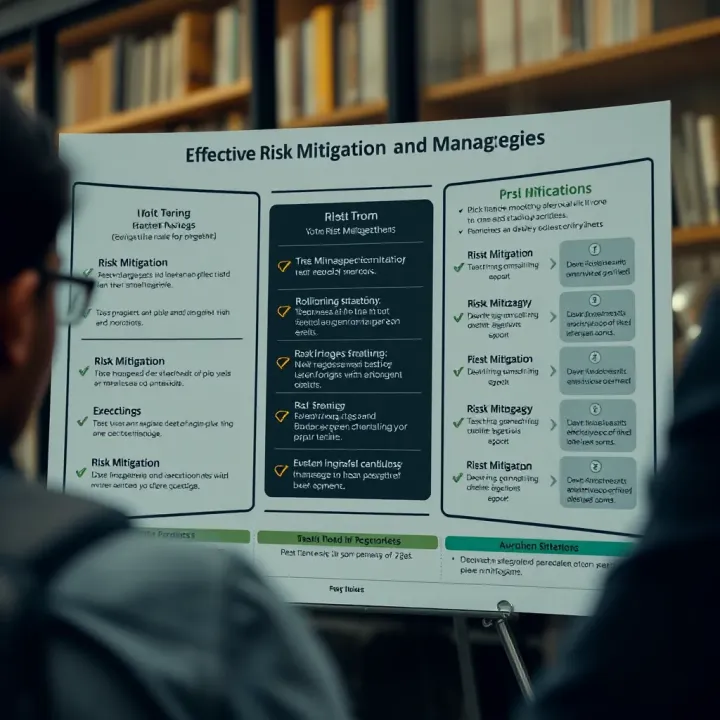
Use of risk checklists and questionnaires standardises the identification process by prompting business leaders to consider common risk categories systematically. For instance, a checklist may ask about market volatility, regulatory compliance, or equipment failures, ensuring these areas are not overlooked. Questionnaires completed by department heads can expose hidden risks across different functions efficiently.
Effective risk identification is like having a detailed map before setting off on a journey: it helps avoid pitfalls and plan detours in advance, saving time and resources.
By combining these techniques, Kenyan traders, investors, and analysts can build a comprehensive picture of the risks they face and prepare appropriate responses.
Assessing and prioritising risks is a key step in managing uncertainties that could affect business operations or investment portfolios. This process helps you understand which risks are most likely to occur and the level of their potential impact. Without this, organisations may waste resources on minor threats while ignoring those that could cause serious damage. For traders, investors, and brokers, prioritising risks guides timely decisions that can either protect capital or capitalise on opportunities.
Assessing risk involves two main approaches: qualitative and quantitative. Qualitative assessment relies on descriptive measures, such as expert opinions or categorising risks as high, medium, or low likelihood and impact. This method is practical for smaller businesses or when data is scarce. For instance, a startup investor in Nairobi might use qualitative models to quickly evaluate the risks associated with a new tech venture.
On the other hand, quantitative assessment uses numerical data and statistical models to estimate risk probability and financial impact. It suits larger firms or more complex portfolios, such as asset managers analysing currency exposure across East African markets. Using quantitative methods allows for clearer cost-benefit analyses and risk-adjusted returns estimations.
A common practical tool for combining these assessments is the risk matrix. This grid plots the likelihood of a risk event against its impact on business objectives. For example, consider a manufacturer facing both supply chain delays during the long rains and market fluctuations. Delays may occur often but cause medium impact, while market swings are less frequent but have high impact. Visualising these on a matrix helps identify which risks demand urgent attention.
Mapping risks enables teams to visualise complex scenarios clearly, facilitating communication among traders, analysts, and decision-makers. The matrix also supports ongoing monitoring by signalling when risks shift categories.
Not all risks require the same level of attention. Categorising risks based on their probability and impact helps allocate time, budget, and personnel efficiently. For example, a real estate investor might classify property title disputes as high priority due to their legal complexity, while minor maintenance delays are low priority.
Establishing these priorities ensures that high-risk areas receive preventive measures promptly. Medium and low risks are monitored but may be accepted if resources are tight or if mitigating them is too costly relative to the threat.
Tolerance levels define how much risk the organisation is willing to accept to achieve its goals. Risk appetite differs by entity and sector. For instance, a stockbroker handling clients' portfolios will typically have a lower risk appetite compared to a venture capitalist funding startups, who expects higher risk for potentially bigger returns.
Clear tolerance guidelines help traders and analysts decide when to act or hold back. For example, setting a maximum acceptable loss per trade guides decision-making during volatile markets. Implementing these limits avoids emotional or impulsive responses, promoting disciplined risk management.
Effective risk assessment and prioritisation are the backbone of a practical risk management strategy, allowing Kenyan businesses and investors to focus resources where it truly matters and adapt swiftly when circumstances change.
Implementing risk mitigation measures is the practical step where a business acts on the risks it has identified and assessed. Without this phase, risk management stays theoretical and does not protect the organisation from actual threats. In Kenya’s dynamic business environment, where factors like currency volatility, weather conditions, and technology challenges come into play, mitigation measures help reduce potential losses and keep operations steady.
Avoidance means steering clear of activities or circumstances that pose unacceptable risks. For example, a Kenyan farmer might avoid cultivating crops prone to diseases during the rainy season, shifting instead to hardier varieties. On the other hand, reduction focuses on lessening the impact of risks that cannot be fully avoided, such as installing backup generators during power outages common in some counties, thus limiting operational downtime.
Both approaches require upfront planning but pay off by protecting assets and ensuring smooth business flow. This is especially relevant in sectors like manufacturing or retail, where interruptions can quickly erode profits.
Many Kenyan businesses transfer risk by buying insurance coverage or using contractual agreements. For instance, importers might take out insurance against cargo theft or damage, shifting the financial burden to the insurer. Likewise, service contracts often include clauses where suppliers accept liability for delays or defects, safeguarding buyers.
This strategy does not remove the risk but moves it to a party better equipped to handle it, reducing unexpected costs for the business. Considering Kenya’s exposure to theft, floods, and legal disputes, insurance and contracts remain essential tools for risk management.
Accepting some risks is necessary when avoiding or transferring them is not feasible or too costly. A boda boda operator might accept the risk of accidents but mitigate by wearing protective gear and attending training. Importantly, accepted risks still require active monitoring to detect any changes that might increase their severity.
Effective monitoring helps prevent small issues from blowing out of control, maintaining a balanced approach between risk tolerance and business viability.
Currency swings can significantly affect the cost of imported goods in Kenya. Businesses often mitigate by negotiating payment terms that fix exchange rates or by hoarding foreign currency during stable periods. Forward contracts with banks offer another safeguard, locking in rates to avoid surprises.
Such measures keep costs predictable, protecting profit margins in sectors reliant on imported raw materials or finished goods.
Small and medium enterprises (SMEs) using M-Pesa for payments face risks like fraud or hacking. Mitigation includes adopting strong password policies, regularly updating mobile apps, and training staff to recognise phishing attempts.
Insurance products targeting cyber risks are emerging, enabling SMEs to transfer potential losses. Given the widespread use of mobile money in Kenya, strengthening cybersecurity directly supports safe daily transactions.
Heavy rains often disrupt transport networks, causing delays and loss of goods, especially perishables. Businesses mitigate this risk by sourcing alternative suppliers, using warehouses to build inventory buffers, or adjusting delivery schedules to avoid peak disruption periods.
Some farmers coordinate with matatu operators familiar with season-specific routes, ensuring smoother logistics during the long rains. These practical steps help maintain supply continuity despite unpredictable weather.
Implementing well-planned risk mitigation measures can mean the difference between weathering challenges and suffering severe losses. Tailoring these steps to Kenya’s unique business conditions builds resilience and boosts confidence among investors, traders, and analysts alike.
Keeping a risk management strategy under continuous watch is essential for its effectiveness. Without regular monitoring and reviewing, a strategy can quickly become outdated, missing new risks or failing to address shifting priorities. This process helps businesses stay ahead by spotting changes early and adjusting actions to keep their operations, finances, and reputation safe.
Regular risk audits and reporting involve scheduled checks on risk controls and the overall landscape. For example, a Kenyan export company might conduct quarterly audits to assess how fluctuations in foreign exchange rates are affecting their profit margins. These audits should include reviewing past incidents, financial records, and compliance status, allowing managers to see what’s working and what needs fixing.
Consistent reporting ensures stakeholders—from board members to department heads—get clear updates on risks and mitigation progress. This transparency helps businesses allocate resources better and respond swiftly if a risk intensifies, such as sudden changes in government regulations or market demand.
Using technology tools for risk tracking has transformed how firms keep an eye on risks daily. Kenyan businesses can use software that connects to financial systems, supply chain data, or even social media sentiments to flag potential issues early. For instance, a retailer using an app to track delivery delays can quickly spot disruptions caused by road closures during the long rains season.
These digital tools improve accuracy and speed in risk visibility, reducing reliance on manual reports prone to delays or errors. Plus, automated alerts allow risk managers to act promptly, whether it’s tweaking procurement schedules or boosting cybersecurity measures against emerging threats.
Adapting to changes in the regulatory environment is not optional in Kenya’s dynamic business setting. Laws around taxation, employment, or data protection often change, as seen with recent updates from KRA or the Data Protection Act enforcement. Companies must revise their risk strategies to stay compliant and avoid penalties, which can be costly and damage reputations.
A practical approach includes assigning a team or officer to monitor government announcements and legal advisory services regularly. They can recommend updates to policies, training, and controls that align with the latest rules. This flexibility keeps businesses resilient and trust-worthy to partners and customers alike.
Responding to emerging industry risks means recognising new challenges that might not have existed before or gaining more importance over time. For example, in Kenya’s fast-growing tech sector, sudden cyber threats or payment system glitches (like M-Pesa outages) require an immediate rethink of risk controls.
Businesses must stay alert by engaging in industry forums, monitoring market trends, and learning from peers. A construction company might realise climate change is causing more unpredictable weather, demanding extra measures to secure sites and protect workers. Updating the strategy in response so it reflects the current reality helps avoid surprises that could derail projects or investments.
Monitoring and reviewing aren't one-off chores but ongoing activities that keep your risk management strategy relevant and effective in a changing world.
By staying observant and flexible, businesses can maintain a strong defence against risks, adjusting seamlessly as the landscape evolves.
🌍 Explore disaster risk management in Kenya, key strategies, stakeholder roles, challenges faced, and practical ways to boost community resilience and preparedness.
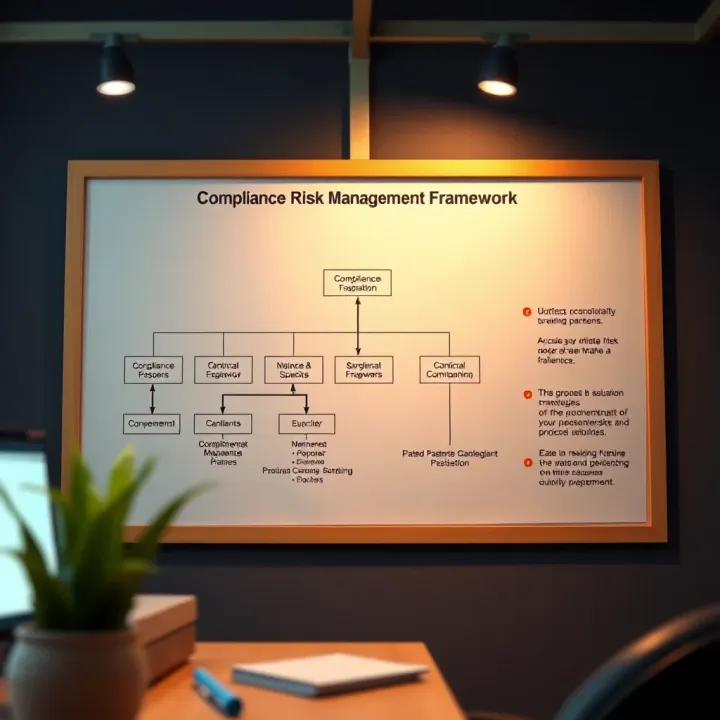
🔍 Learn proven strategies for effective compliance risk management in Kenya to avoid penalties, ensure operational integrity, and tackle local challenges head-on.
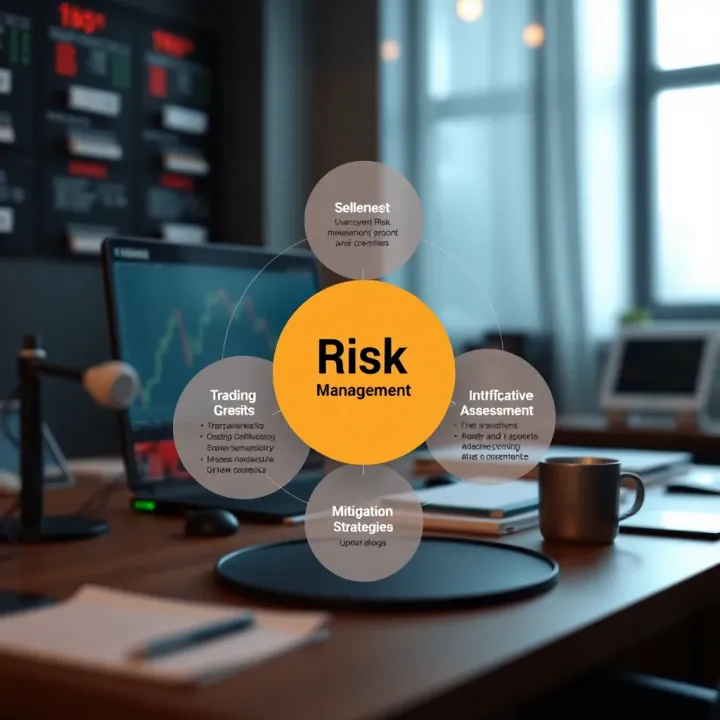
🔍 Explore how Kenyan businesses manage risks with clear definitions, key strategies, and real-life examples to safeguard goals and improve operations.
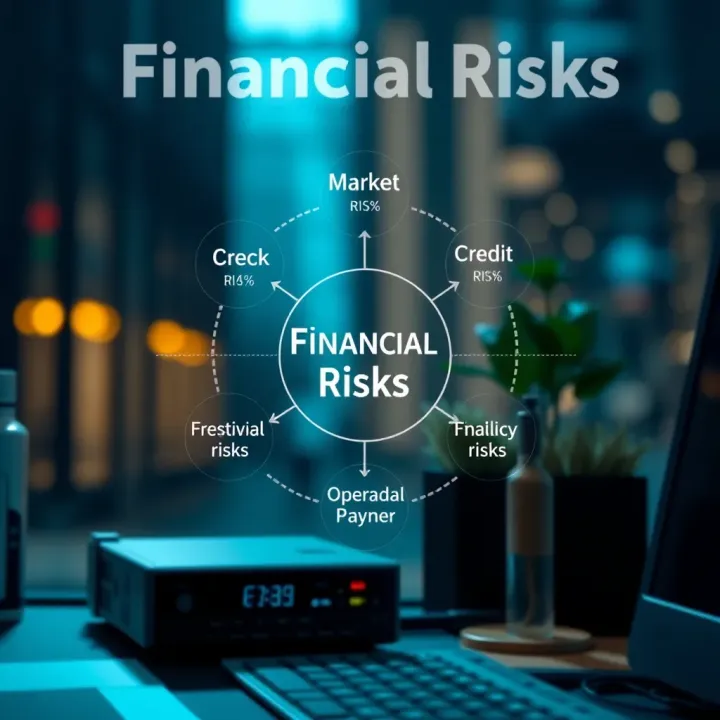
📊 Understand financial risk management for individuals & businesses in Kenya. Learn key risk types, assessment tools, and practical strategies to safeguard assets.
Based on 14 reviews