
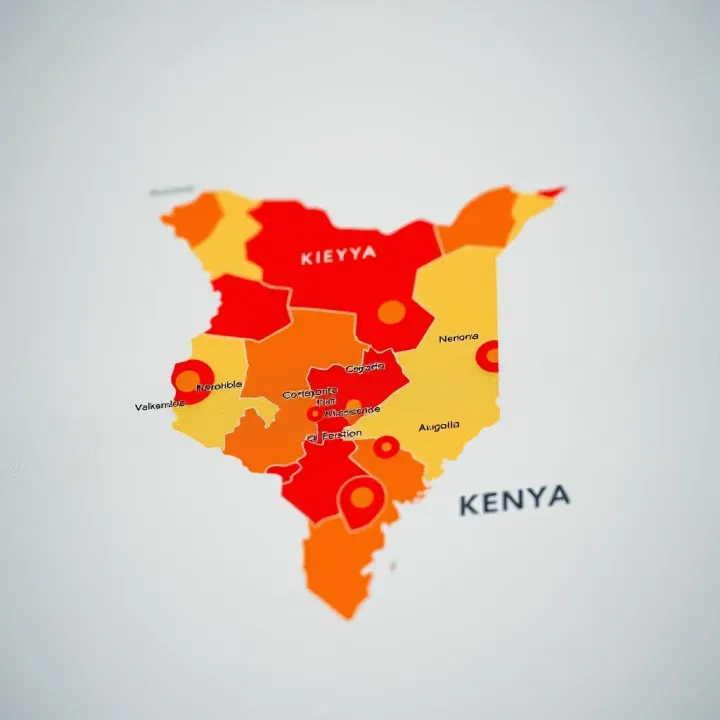
Understanding Disaster Risk Management in Kenya
🌍 Explore disaster risk management in Kenya, key strategies, stakeholder roles, challenges faced, and practical ways to boost community resilience and preparedness.
Edited By
Henry Morgan
Risk management is at the heart of running any successful business, especially in Kenya’s fast-evolving market. It involves recognising potential threats that can affect your operation, assessing how serious they are, and putting steps in place to handle them effectively. Whether you’re a trader managing stocks on the Nairobi Securities Exchange (NSE) or an investor navigating currency fluctuations, understanding these basics helps protect your assets and supports steady growth.
In practice, risk management is not just about avoiding losses but about making smart decisions under uncertainty. For example, a small enterprise in Kisumu might face supply chain disruptions during the long rains, impacting stock availability. Identifying this risk ahead and arranging alternative suppliers or adjusting inventory levels shows practical risk management.

Effective risk management requires ongoing vigilance; risks shift as market conditions, regulations, and technologies change. Staying alert helps you respond before problems escalate.
Businesses follow a cycle to keep risk under control:
Identification – Spotting risks early using tools like risk registers or market analysis. For instance, brokers tracking political developments in Kenya can foresee impacts on investment climates.
Assessment – Evaluating the likelihood and impact of each risk. Is the risk of currency devaluation likely to hit your bottom line hard or just a minor hiccup? This helps prioritise where to concentrate efforts.
Mitigation – Developing strategies to reduce risks. It could be diversifying your investment portfolio to avoid overexposure, or using contracts to lock in exchange rates.
Monitoring – Continuously reviewing identified risks and scanning for new ones. Kenyan businesses often leverage data from CBK (Central Bank of Kenya) and CMA (Capital Markets Authority) to stay informed.
Communication – Clear reporting and sharing risk insights with your team or stakeholders, so everyone understands their role.
Consider a Nairobi-based import-export firm that uses M-Pesa for transactions. Foreign exchange volatility poses a risk. By regularly checking CBK’s exchange rate trends and using contracts to hedge forex exposure, the firm lowers its risk of losing money amid currency shifts.
Integrating these risk management principles creates resilience. It turns uncertainty into manageable challenges, giving you an edge in Kenya’s dynamic business environment.
By applying these basics, you don’t just protect your investment; you position yourself better to seize opportunities as they arise.
Understanding the foundation of risk management sets the stage for effective handling of uncertainties that Kenyan businesses face daily. It’s about recognising what risks are, how they affect organisations, and why managing them smartly can save resources and reputation. When you grasp the basics, you’re better placed to spot potential problems early and prepare strategies that protect your business.
Business risks come in various forms, directly influencing decision-making and outcomes. For instance, operational risks arise from the daily running of a company, such as machinery breakdown or supply delays. Financial risks involve fluctuating interest rates or currency exchange troubles, especially relevant for importers and exporters in Kenya. There are also strategic risks linked to poor business choices or entering unsuitable markets. Understanding these distinct types helps an organisation to tailor its risk management approach accordingly.
In Kenya, certain risks are particularly prominent due to the economic and social environment. Drought affects agricultural output, making agribusiness vulnerable. Political changes can lead to sudden regulatory shifts or disruptions during election periods. For example, the 2017 election period saw interruptions in trade and transport in Nairobi and surrounding counties. Currency fluctuations also pose risks to businesses reliant on imported goods or foreign partnerships, influencing profitability and pricing.
At its core, risk management aims to reduce uncertainty in business operations. By anticipating potential problems, companies can prepare contingency plans or adjust strategies to avoid losses. For example, a Nairobi-based textile firm might hedge against cotton price spikes by sourcing multiple suppliers. This approach prevents surprises that could harm cash flow or production schedules.
Beyond financial safety, risk management safeguards a company’s assets and its good name. When risks are ignored or poorly managed, the fallout can include damaged equipment, lost staff morale, or a tarnished brand. In Kenya’s competitive markets, word spreads quickly—think of a restaurant that failed health inspections. Proactive risk planning ensures that resources are used wisely and that stakeholders, including customers and investors, maintain confidence in the business.
Solid risk management isn’t just about avoiding losses; it’s about building resilience so your business can thrive even when challenges arise.
By focusing on these fundamental principles, organisations can lay a strong foundation for more detailed risk practices, making them more agile and prepared in an ever-changing Kenyan economy.
Spotting risks before they happen is a key part of managing them effectively. For traders, investors, and analysts in Kenya’s dynamic market, early identification helps avoid losses and keeps business goals on track. When risks are spotted early, you get time to act rather than just reacting to problems after they arise.

Brainstorming sessions bring together diverse team members to share views on possible risks. This open discussion often uncovers risks that might be hidden or overlooked. For example, a Nairobi-based investment firm might hold a brainstorming session to explore political risks during election periods and their impact on the forex market.
Checklists provide a structured way to identify risks by listing common areas to consider. A checklist for a manufacturing company might include supply chain disruptions, equipment failure, or regulatory changes. Using checklists ensures that no obvious risks are skipped, especially when workloads are heavy.
SWOT analysis breaks down strengths, weaknesses, opportunities, and threats. It gives a clearer picture of internal and external factors affecting a business. A Kenyan agricultural exporter might use SWOT to identify climate change as a threat and new market demands as opportunities.
Scenario planning takes this further by imagining different future situations and their impact. Businesses can prepare responses to various possibilities, such as a sudden hike in fuel prices affecting logistics. This method helps anticipate shifts that could disrupt operations or investment returns.
Those on the ground often notice risks before management does. Engaging employees and business partners brings practical insights into day-to-day challenges. For instance, a matatu operator might alert management about rising fuel thefts or new roadblocks, enabling quick risk responses.
Involving partners, such as suppliers or financial institutions, also widens the perspective. They can highlight risks related to credit, supply delays, or changing regulations that may not be evident within the organisation.
Local communities often influence business risks, especially in sectors like mining or real estate. Listening to community concerns about land use or environmental impact helps foresee potential conflicts or disruptions.
Regulatory bodies in Kenya update rules that can alter how businesses operate. Staying in touch with regulators helps anticipate compliance risks. For example, changes in tax laws announced by KRA or new county regulations can significantly affect business costs and require adjustments.
Early identification of risks through practical tools and involving those with firsthand knowledge creates a solid foundation for sound risk management in Kenya’s fast-changing economic environment.
Evaluating and assessing risks is a key step that determines how an organisation handles potential problems. By understanding the likelihood and impact of risks, businesses can make informed decisions rather than guessing blindly. This process makes a vast difference, especially for Kenyan traders and investors who face market volatility and regulatory changes regularly.
Risk measurement commonly falls into two categories: qualitative and quantitative assessments. Qualitative assessment relies on descriptive analysis using expert judgement, interviews, or surveys. For example, a small business in Nairobi may use qualitative measures to assess how a potential power outage could disrupt their operations, based on staff feedback. This approach is valuable where numerical data is limited or when trying to capture risks that are difficult to quantify, like reputational damage.
On the other hand, quantitative assessment involves numerical data and statistical methods. A stockbroker evaluating currency fluctuations might analyse historical forex price data to calculate the probable loss under certain conditions. This method gives concrete figures, which help in setting precise risk limits or insurance covers.
Risk matrices are practical tools used to combine likelihood and impact visually. They help prioritise risks by placing them into categories such as low, medium, and high. For instance, a manufacturing company in Mombasa might use a risk matrix to decide which machinery risks require urgent repair and which can wait, based on the chance of failure and the financial cost of downtime.
These matrices simplify complex data, enabling decision-makers to quickly grasp which risks deserve immediate attention. They also promote consistent evaluation across different teams, which is crucial when multiple managers assess risks.
After measuring risks, businesses need to rank them according to severity. Severity combines the potential damage and how likely the risk is to occur. Higher severity risks get more resources and quicker responses. For example, a tech start-up handling user data in Kenya will prioritise data breaches over slower customer service, since breaches can cost heavily in fines and trust loss.
Proper ranking avoids wasting effort on minor issues while ensuring critical threats are addressed effectively. This approach ensures the organisation uses its limited resources where they count most.
Risk prioritisation should align with broader business goals. Not all high-risk scenarios are equally damaging if they don't affect core objectives. For example, a retail chain in Eldoret may decide a supply delay risk is more critical than theft risk because timely stock delivery directly affects sales targets.
By factoring in what matters most to the business, managers avoid overreacting to risks irrelevant to their strategy. This focus keeps risk management practical, supporting sustainable growth rather than reacting to every possible threat.
Effective evaluation and prioritisation help Kenyan businesses stay competitive by turning uncertainty into manageable challenges. The more precise and aligned with business goals this process is, the better the organisation can protect itself and plan confidently.
Developing effective strategies to manage risks is vital for traders, investors, and analysts dealing with Kenyan markets. These strategies determine how an organisation responds to threats that could derail business objectives or cause financial loss. A clear approach helps allocate resources wisely, avoid panic reactions, and sets a roadmap for handling risks before they escalate.
Organisations commonly use four approaches to handle risks: avoidance, mitigation, transfer, and acceptance. Avoidance means steering clear of activities that expose the company to certain risks. For instance, a small business in Nairobi might avoid investing in unstable real estate markets due to local political uncertainty. Avoiding such risks removes the threat entirely but can also mean forfeiting potential gains.
Mitigation focuses on reducing the impact or likelihood of risks. A farmer practising crop diversification to protect against drought failure is applying mitigation. This way, loss in one crop can be balanced by yields from others, lowering overall vulnerability.
Transfer involves shifting risk to another party, often via insurance or contracts. Kenyan companies commonly transfer risks through policies from leading insurers like Jubilee or Britam, protecting against fire, theft, or liability claims.
Finally, acceptance is when a risk is acknowledged but retained because its cost of mitigation might outweigh benefits. This approach works best when the risk impact is minimal or unlikely to occur, such as a matatu operator accepting the risk of minor road repairs.
Assigning Responsibilities plays a key role in turning risk strategies into action. Every risk identified should have a responsible person or team to monitor, manage, or resolve it. For example, a bank managing credit risks will assign loan officers and risk analysts specific duties in assessing and following up on defaulters. Clear roles ensure accountability, so risks do not fall through the cracks during busy periods.
Setting Timelines and Resources is equally critical. A response plan must specify when actions should begin and end, and what resources are available. If a company faces seasonal demand fluctuations, timelines might align with market cycles. Budgeting resources may include allocating funds for emergency supplies or hiring extra security. The use of project management tools or simple tracking sheets helps keep risk responses on schedule and within budget. Without these, efforts quickly become disorganised and ineffective.
Clear risk strategies aligned with roles, timelines, and resources provide companies a better chance to weather shocks without compromising growth or reputation.
By carefully combining these elements, Kenyan businesses and investors can build resilience in today’s unpredictable markets. Developing strategies to manage risks is not just a checklist—it is a dynamic process that safeguards long-term sustainability and stakeholder confidence.
Continuous monitoring of risks is not just a box to tick; it’s a necessity for any business that wants to stay ahead of surprises. In Kenyan markets, where economic conditions can shift rapidly — say due to policy changes by the Central Bank of Kenya or sudden shifts in export demands — regularly checking on your risk landscape helps avoid costly pitfalls. Communication plays a key role here. Keeping everyone from management to dealers and even suppliers in the loop ensures risks are spotted and tackled quickly.
Regular risk audits serve as health checks for an organisation’s risk management framework. They involve systematically reviewing risk registers, controls, and responses to ensure they remain relevant and effective. For instance, a Nairobi-based textile firm might find during an audit that its supplier risk has increased due to political unrest in a sourcing region. Spotting this early allows them to explore alternative suppliers before disruption hits production.
These audits also uncover gaps or outdated assumptions. A bank conducting quarterly risk audits might discover that new technology threats such as mobile fraud have risen, prompting updates to cybersecurity measures. This routine examination keeps risk management from becoming stale and reactive.
Plans made in one quarter may no longer fit by the next. For example, a tourism company in Kenya’s coast may adjust its risk plan when new health regulations emerge due to disease outbreaks. The need to respond flexibly to fresh data ensures the risk management approach stays effective.
Adjusting often means reallocating resources, updating procedures, or even reconsidering risk appetite. The lesson here is to avoid rigid plans; instead, use them as living documents that grow with evolving risks, keeping your organisation resilient.
Transparent reporting is the bridge between identifying risks and taking action. Management needs clear, timely reports to make informed decisions. For instance, an investor in an agro-processing company will expect updates on risks related to weather patterns affecting crop yields – essential information impacting profitability.
Regular risk reports help keep all parties aligned on priorities and progress. This openness reduces surprises and builds trust among internal teams and external partners alike.
A culture where everyone understands the role they play in managing risk helps make risk management part of daily activities. In a Kenyan SME, for example, encouraging employees to speak up about safety hazards or financial irregularities can prevent minor issues from snowballing.
Training sessions, accessible risk policies, and open forums encourage shared responsibility. When risk awareness becomes natural, organisations respond faster and with better information, reducing both frequency and impact of negative events.
Ongoing risk monitoring and open communication form the backbone of effective risk management. Without them, organisations may miss early warning signs, leading to avoidable losses and missed opportunities.
🌍 Explore disaster risk management in Kenya, key strategies, stakeholder roles, challenges faced, and practical ways to boost community resilience and preparedness.
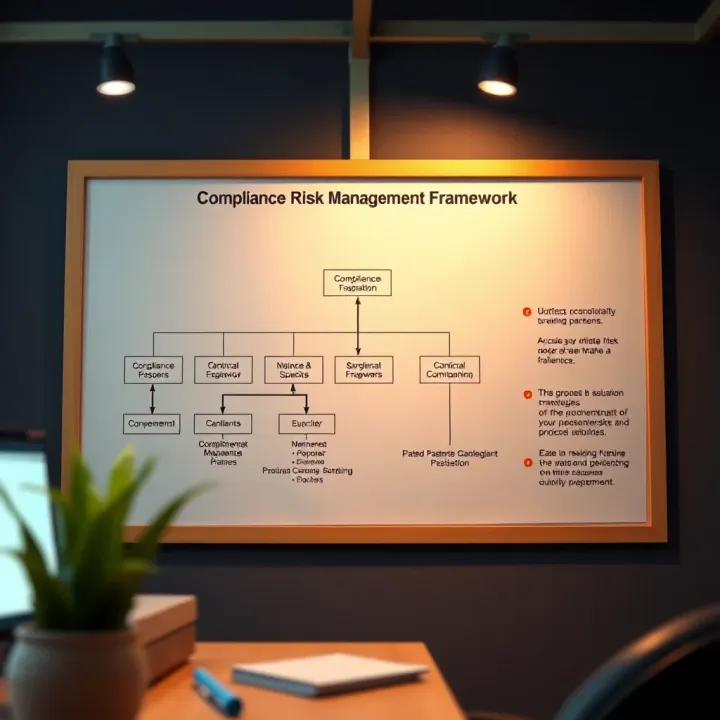
🔍 Learn proven strategies for effective compliance risk management in Kenya to avoid penalties, ensure operational integrity, and tackle local challenges head-on.
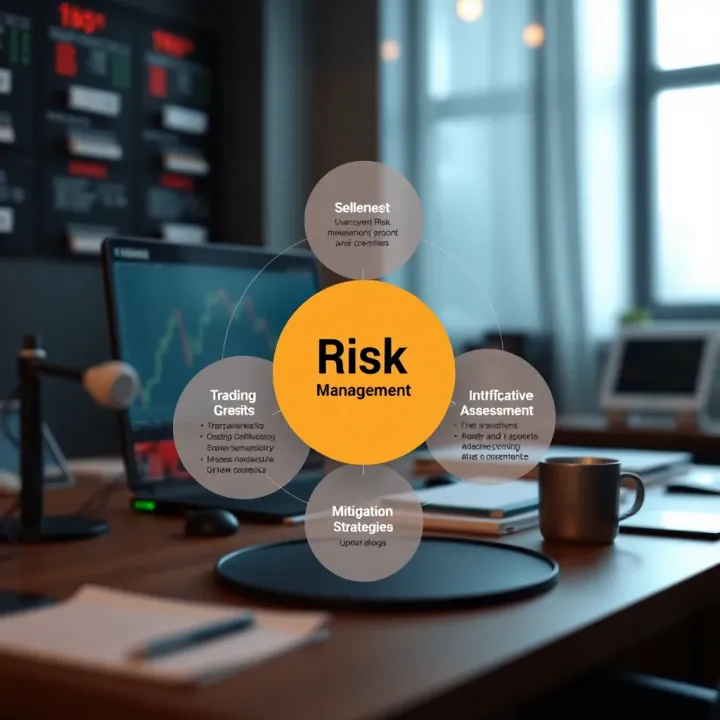
🔍 Explore how Kenyan businesses manage risks with clear definitions, key strategies, and real-life examples to safeguard goals and improve operations.
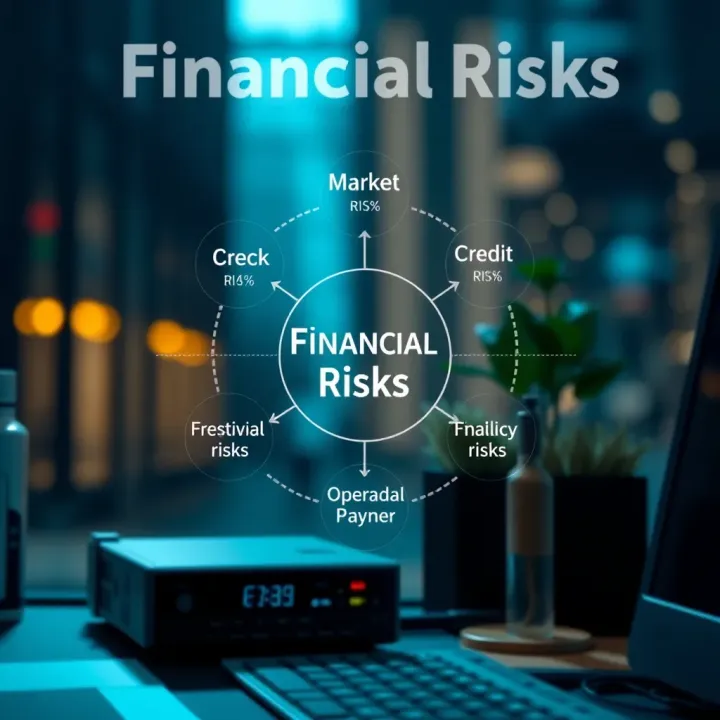
📊 Understand financial risk management for individuals & businesses in Kenya. Learn key risk types, assessment tools, and practical strategies to safeguard assets.
Based on 7 reviews