
Guide to Crypto Trading Platforms in Kenya
Explore top crypto trading platforms in Kenya 🔍 Understand features, security, and tips to pick the right exchange for confident trading 🚀
Edited By
Charlotte Davies
Crypto trading has carved a significant niche in Kenya's financial scene over the past few years. With the rise of digital currencies like Bitcoin and Ethereum, more Kenyans are keen on trading crypto to diversify their investments or to tap into new money-making opportunities. However, choosing the right platform to trade on isn’t as straightforward as picking the first app that pops up in a search.
Why is this important? Not all trading platforms are built the same, especially when it comes to security, fees, and user experience. Some might seem tempting with low costs but lack proper regulations or user support, while others offer great security but at a higher fee.

This guide will walk you through the vital points to consider when selecting a crypto trading platform tailored for the Kenyan market. We'll explore key features, security measures, fee structures, and overall usability so you can find an option that fits your trading style and goals. Whether you're a newbie trying to get your feet wet or an analyst seeking the best tools and data, this article has practical info you can use.
"Choosing the right platform can mean the difference between smooth, profitable trading and costly frustrations down the line."
Let’s break down what makes a crypto platform tick and what pitfalls to watch out for, all while keeping Kenya’s unique trading environment in mind.
Understanding the landscape of cryptocurrency trading in Kenya is essential for anyone looking to dive into this fast-moving market. This section serves as a foundation to grasp the unique market behavior, prevailing digital currencies, and how local conditions influence trading choices. With Kenya’s growing tech-savvy population and increasing interest in digital assets, knowing the lay of the land helps traders avoid mistakes and maximise returns.
Kenya’s crypto market has seen significant growth over recent years, driven by factors like mobile money integration and remittance needs. Cryptocurrencies such as Bitcoin (BTC), Ethereum (ETH), and newer tokens like Binance Coin (BNB) dominate the trading scene. For example, a popular use case in Kenya is using Bitcoin for cross-border trades, where hawala systems meet blockchain to open economical avenues for everyday users.
The market is also impacted by periodic spikes in interest tied to global price movements or local events, such as mobile app launches that simplify crypto trades or announcements from telecoms offering crypto services. While Bitcoin remains king, altcoins gain traction for those seeking faster transactions or lower fees, though these typically come with increased risk.
Kenya’s regulatory stance on cryptocurrencies is cautious but evolving. The Central Bank of Kenya (CBK) has issued warnings about crypto risks but not banned trading outright. This leaves a grey zone where traders must be alert to changes in policy that could affect accessibility or security of funds.
For instance, local exchanges might require adherence to strict KYC (Know Your Customer) policies or face banking restrictions. However, these measures also protect traders against fraud and money laundering. The regulatory uncertainty means traders in Kenya often balance between fully regulated platforms and more flexible peer-to-peer networks.
Staying updated on regulatory changes is not just advisable—it’s a necessity in Kenya’s crypto space.
Together, market awareness and understanding rules of the game give traders a clear advantage navigating Kenya’s crypto trading scene.
When it comes to trading cryptocurrencies in Kenya, picking the right kind of trading platform is your first stop. The type of platform you choose can affect everything—from how fast you can trade to the level of control you have over your assets, and even the security of your funds. Getting to know the different types available helps you find a platform that suits your trading style and comfort level.
Centralized exchanges (CEXs) are the most common crypto trading platforms in Kenya. They act as middlemen, holding custody of your funds and managing the order book for buyers and sellers. Imagine a busy marketplace where an established shopkeeper manages all transactions for you—that's a centralized exchange. Examples like Binance and KuCoin operate this way, offering smooth user interfaces, quick trade execution, and often customer support.
Traders deposit their money onto the platform, then buy or sell cryptocurrencies through the exchange's infrastructure. These platforms also often provide extra tools such as margin trading, futures, and staking.
The biggest plus is convenience: centralized exchanges are user-friendly and often have liquidity, which means you can execute trades quickly at competitive prices. They usually comply with local regulations, giving Kenyan traders some peace of mind.
On the flip side, since you're handing over control of your assets to a third party, there's a risk of hacking or mismanagement. For instance, if the exchange's security isn’t tight, your funds could be at risk—as was seen with some platforms worldwide in past breaches. Also, centralized exchanges might charge higher fees compared to other options.
Decentralized exchanges (DEXs) cut out the middleman by allowing traders to swap cryptocurrencies directly from their wallets. These platforms run on blockchain protocols, without a central authority controlling the trades. Think of it like a neighborhood swap meet where everyone trades directly.
Key features include automatic execution of trades through smart contracts, no need to deposit funds onto a platform, and greater privacy since no personal info is usually required.
The main benefit is control—you keep your private keys and funds, reducing risks linked to centralized hacks. For Kenyan traders worried about government scrutiny or platform shutdowns, DEXs offer more autonomy.
However, DEXs typically have lower liquidity. This can mean trades take longer or cause higher price slippage. The interfaces can be tricky for beginners too, making it less practical for casual traders. Plus, since smart contracts are immutable, any bugs or vulnerabilities in the code could lead to loss of funds.
P2P platforms connect buyers and sellers directly, letting them negotiate payment methods and terms. In Kenya, this method is popular because it allows payment in local currency via familiar channels like M-Pesa. Platforms like LocalBitcoins thrive on this.
On P2P, the platform acts as an escrow service, holding the cryptocurrency until the buyer pays. Once payment is confirmed, the crypto is released. This setup bridges the gap between traditional banking and crypto, making it easier for newcomers.
While P2P trading can be flexible, it comes with its pitfalls. There's a risk of dealing with unreliable or fraudulent traders. Escrow services help, but delays and disputes can still occur.
Thus, it’s vital to check the reputation of trading partners, stick to well-known P2P platforms, and avoid deals that seem too good to be true. Also, takng basic precautions like communicating only through the platform’s messaging system adds an extra layer of safety.
Understanding the type of crypto trading platform upfront saves you from headaches later. Each has its own mix of risks and benefits to weigh depending on how much control, convenience, and security you want while trading.
Whether you prefer the ease of centralized platforms like Binance, the control of decentralized exchanges, or the local touch of P2P trading, knowing how they tick helps you pick the best fit for trading in Kenya’s vibrant crypto scene.
When picking a crypto trading platform, especially in Kenya's unique market, knowing what features matter most can save you a lot of headaches down the road. It’s not just about flashy interfaces or low fees — but security, ease of use, and how broad your trading choices are. Imagine signing up on a platform only to find out it can’t support the coins you want or is as slow as molasses on a bad day. That’s why understanding these essential features upfront is key.
For any trader, safety is non-negotiable. With crypto, once your coins are gone, they're usually gone for good. Two of the most crucial safeguards are Two-Factor Authentication and Cold Wallet Storage.
2FA is like having a second lock on your front door. Even if someone slips past your password, they still need the second piece of the puzzle—usually a code sent to your phone or generated by an app like Google Authenticator. This extra step drastically cuts down the chances of unauthorized access. Platforms like Binance and KuCoin make 2FA a standard feature, and Kenyan traders should never settle for less. Enabling 2FA can keep hackers at bay even if your password is leaked.
Keeping your funds tied up on exchanges is risky because these platforms are constant targets for hackers. Cold wallet storage means the platform stores most of your crypto offline, away from internet threats. Think of it as locking your valuables in a safe buried underground rather than leaving them on a desk in plain sight. This adds a layer of protection against online breaches. Popular exchanges such as Bitstamp and Coinbase use cold wallets extensively, giving Kenyan users peace of mind that their assets aren't just sitting on a hot server somewhere.
When you’re trading on the go or during hectic market swings, a smooth and intuitive interface matters a lot. Nobody wants to fiddle with a clunky app that eats up data or crashes when you need it most. A good platform offers a clear layout with easy navigation, quick order placements, and real-time updates. Mobile experience shouldn’t just be an afterthought either. Apps like Binance's mobile platform deliver almost as much functionality as their desktop versions, which is a big help for those in areas with sketchy internet or who rely mainly on smartphones.
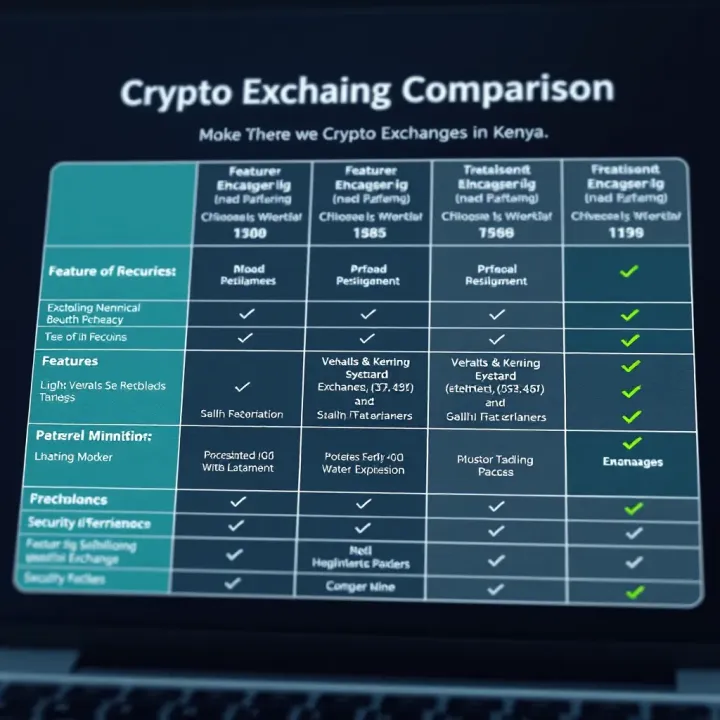
Not all platforms carry the same coins. While Bitcoin and Ethereum are staples everywhere, many traders are interested in altcoins like Cardano (ADA), Polkadot (DOT), or local tokens gaining traction. Having a wide range means you can diversify and participate in emerging markets without juggling accounts on multiple platforms. KuCoin is known for supporting a vast array of cryptocurrencies, while LocalBitcoins focuses on P2P Bitcoin trades. For Kenyans, choosing a platform that offers both popular and niche options means staying flexible to market shifts.
Keep in mind, the best trading platform balances security, user experience, and variety. Look beyond flashy features and think practically about what fits your needs and trading style the most.
Understanding fees and transaction costs is often the piece of the puzzle traders tend to overlook until it hits their wallet. However, in crypto trading — especially here in Kenya — these costs can eat into your profits faster than you might expect. Fees vary widely between platforms and can be the difference between a good trading day and a frustrating one. When selecting a platform, knowing what fees you’re signing up for helps you plan better and avoid nasty surprises.
Fees don't just come in one shape or size. They cover everything from executing a trade to moving your funds in and out of the platform. Plus, some platforms have hidden fees buried in spreads or withdrawal charges. Taking the time to thoroughly compare these costs upfront can save you significant amounts over time. Let's break down the two main fee types you should consider:
Trading fees usually come as either a flat rate or a percentage of the trade value. For example, Binance Kenya charges about 0.1% per trade, which is pretty competitive. On the flip side, some smaller, local platforms might have higher fees, so it pays to compare.
Another sneaky fee is the "spread" — the difference between the buy and sell price. A tight spread means you lose less immediately after making a trade, while a wide spread can make it harder to turn a profit. Imagine you want to buy Bitcoin, and the ask price is 1,000,000 KES, but the bid price is 990,000 KES. That 10,000 KES difference is your spread cost. Always check the spread, especially with lesser-known altcoins that might have lower liquidity.
A good practice is to look at the platform’s fee schedule and watch for tiered pricing too — some platforms reduce fees if you trade more volume. For active traders, this can add up to big savings.
Moving money in and out of your crypto wallet also attracts fees. Kenyan users might deposit Kenyan Shillings via M-Pesa to a platform like LocalBitcoins or Binance P2P — these transfers usually have low or no extra fees, but platforms might charge when converting to crypto.
Withdrawal fees, however, tend to be more expensive and can vary dramatically depending on the currency and blockchain congestion. For instance, withdrawing Bitcoin from KuCoin might cost you 0.0005 BTC every time, while another platform could charge more or less. Ethereum withdrawals might be even pricier during times of high network traffic.
Don’t forget to check minimum withdrawal amounts too. Some platforms require you to withdraw a minimum amount, which could trap your smaller balances. This is worth knowing before you invest small amounts.
To avoid surprises, it’s wise to estimate your trading volume and withdrawal frequency before settling on a platform. Platforms with transparent and reasonable fees tend to be better for building long-term habits in crypto trading.
In the Kenyan context, given local payment preferences and the nascent regulatory framework, these fees can be pivotal in deciding which platform suits your trading style and budget.
In Kenya’s bustling crypto scene, picking the right trading platform can feel like finding a needle in a haystack. Popular platforms matter because they combine market liquidity, security, and user experience — all critical if you want your trades to go smoothly and safely. A widely adopted platform often means better local payment options, faster support, and active communities that help each other out.
Kenyan traders should weigh factors like platform reliability, fees, and ease of use, alongside the availability of local currency support. For instance, having the ability to deposit Kenyan shillings (KES) directly, without jumping through hoops, can save time and money.
Binance stands out in Kenya for its broad cryptocurrency selection and powerful trading tools. Its interface is user-friendly enough for beginners while still offering advanced options like futures trading and margin. Kenyan users benefit from features like low trading fees (starting at 0.1%), diverse payment options including M-Pesa integration, and a mobile app optimized for spotty network connections.
Moreover, Binance's liquidity means you won’t struggle to find buyers or sellers for most major coins, which is important during high volatility. They also offer staking and savings products, letting you earn on cryptocurrencies sitting idle.
Binance has stepped up local support by providing dedicated customer service channels for Kenyan users, which helps with swift resolution of issues — something that’s a major plus for traders navigating regulations or payment hurdles. Their educational resources tailored to African markets make understanding crypto basics and advanced trading concepts easier.
Local payment methods like M-Pesa make deposits/withdrawals straightforward without unnecessary third-party services. This integration creates a smoother experience for Kenyans tired of losing time with complicated bank transfers.
LocalBitcoins is a major player in Kenya due to its peer-to-peer (P2P) trading model. This platform lets users buy and sell bitcoin directly with one another, offering unmatched flexibility in payment methods and rates. P2P platforms are especially handy when local regulations or banking restrictions complicate direct exchange deposits.
Because of this, many traders use LocalBitcoins to trade small amounts quickly or to exchange bitcoin for cash without revealing personal bank details, which some prefer for privacy.
Trading directly with others means you must be cautious: always verify counterparties through platform ratings and feedback. Use LocalBitcoins' escrow service to hold funds until both buyer and seller confirm the transaction. Avoid deals outside the platform to steer clear of fraud.
Also, avoid sharing unnecessary personal info during trades, and stick to familiar payment methods like M-Pesa for added safety. Constant vigilance is key since scams in P2P setups can spike overnight.
KuCoin is gaining popularity among Kenyan traders for offering a large variety of altcoins not always found on other platforms. Its relatively low fees and accessible interface make it attractive for both beginners and experienced users. Highlights include futures trading, lending options, and even a native token (KCS) that provides trading fee discounts.
Though not as tightly integrated with Kenyan payment channels as Binance or LocalBitcoins, KuCoin supports global cards and cryptocurrency deposits, which Kenyan users with international bank accounts often find useful.
Bitstamp is ideal for traders craving simplicity and strong reputation. One of the oldest crypto exchanges globally, it offers a straightforward interface and emphasizes compliance, which reassures Kenyan investors worried about international regulations. Although its coin selection is narrower, it covers major currencies like BTC, ETH, and LTC.
For Kenyans, Bitstamp’s reliable banking partnerships simplify fiat transfers, albeit with generally higher fees than peer platforms.
Coinbase focuses on beginners and is lauded for its clean user experience and educational content. Its buy/sell functionality is straightforward, with strong security layers in place, including insurance against platform hacks.
Kenyan users may find Coinbase convenient for initially dipping toes into crypto, though limited local payment options can mean relying on international cards or bank wires. Still, its vast user base and strong regulatory compliance make it a good choice for investors wanting a trustworthy entry point.
Choosing the right crypto platform in Kenya boils down to balancing ease of access, security, fees, and local support. Popular platforms like Binance and LocalBitcoins provide options tailored to everyday traders’ needs. Meanwhile, exchanges such as KuCoin, Bitstamp, and Coinbase offer additional variety depending on your trading style and priorities.
Security is a major concern for anyone trading cryptocurrencies in Kenya. Given the rise in crypto adoption alongside increasing reports of hacking and fraud, it’s wise to be extra cautious. This section walks through practical tips to keep your account and assets safe—because losing control of your digital wallet can mean losing money for good.
Strong, unique passwords are your first line of defense. Avoid simple passwords like “123456” or “password123” which hackers can guess in a blink. Use a combination of letters, numbers, and symbols, and consider a passphrase—something like “CoffeeMug4Sunshine!” that’s easy for you to remember but tough for bots.
Password managers like LastPass or Bitwarden can help generate and store these securely. Never reuse your trading platform password on other sites to limit damage if one account gets compromised. Also, change your passwords regularly and avoid sharing credentials.
Pro tip: Enable two-factor authentication wherever possible. It’s like a double lock on your crypto vault.
Phishing scams remain a common way cybercriminals steal login details. Scammers may impersonate your crypto exchange or wallet provider through emails or messages asking for your login details or private keys.
To keep safe, always verify the sender’s email and never click on suspicious links. If an email urges you to act immediately to avoid losing access, pause and double-check by contacting customer support directly through official channels. Legitimate platforms will never ask for your password or private keys via email.
Beware of fake websites that mimic real trading platforms. Double-check the URL for typos or strange characters, and prefer bookmarking the site instead of searching online to avoid fake links.
The regulatory landscape for crypto in Kenya is evolving fast. Staying on top of new rules or policies from the Capital Markets Authority (CMA) or Central Bank of Kenya can help you avoid legal troubles and unexpected freezes on your accounts.
Follow trusted local news outlets and official regulatory announcements regularly. Joining local crypto communities on platforms like Telegram or Twitter can also keep you updated through real-time discussions among traders.
Understanding regulatory shifts can guide your platform choice—for example, opting for exchanges that comply with Kenyan laws might offer smoother service and better legal protection.
By applying these security practices, Kenyan traders can reduce risks and trade crypto assets with greater confidence and peace of mind.
Starting off on a crypto trading platform might look tricky at first, but once you break it down, it's pretty straightforward. This section walks you through the basics — from setting up your account to understanding how to place your first buy or sell order. Getting these steps right is key to a smooth entry into crypto trading in Kenya, protecting your funds, and avoiding unnecessary hiccups.
Setting up an account is your very first move. On platforms like Binance or KuCoin, you’ll need to provide your email or phone number, create a strong password, and confirm your identity. This usually means uploading a government-issued ID like your Kenyan ID or passport. Verification might take from a few minutes to a couple of days, depending on the platform and demand.
Verification isn't just red tape — it’s there to protect you and the exchange from fraudsters. For instance, without proper ID checks, bad actors could easily set up accounts and carry out scams or money laundering. After verification, you'll find limits on deposits, withdrawals, and trading often expand, letting you move bigger sums safely.
Once your account is ready, the next step is funding it. Most Kenyan platforms accept deposits through Mpesa or bank transfers, making it convenient for local users. For example, Binance allows easy Mpesa deposits so you can avoid withdrawing cash or wiring money internationally.
Before your first trade, make sure to check the deposit limits and fees. Some platforms charge a small percentage, others have fixed fees, so it pays to compare. After funds show in your account, start by buying a popular cryptocurrency like Bitcoin or Ethereum — they're widely supported and tend to have lower spreads.
Try placing small trades first to get a feel for the process. Mistakes can happen, especially when navigating order types, so starting small helps avoid major losses.
When you make a trade, you’ll usually choose between market orders and limit orders. A market order buys or sells immediately at the going price, perfect when you want a quick trade without effort. But that price can change fast — like when the market jumps suddenly — so you might pay more or get less than expected.
A limit order, on the other hand, lets you set a specific price at which you want to buy or sell. Say Bitcoin is at 4,200 USD, you could place a limit order to buy if the price drops to 4,000 USD. Your order will only execute if the market hits that price. This gives more control, but your trade might not happen instantly (or at all).
Pro tip: Beginners in Kenya often find market orders easier but get more precise control with limit orders as they become comfortable with price fluctuations.
Grasping these order types is a handy step into more advanced trading strategies, like stop-losses or taking profits automatically. Start simple, and as you build confidence, these tools will help manage risk better.
Getting your crypto trading off the ground in Kenya involves clear, step-by-step moves. From verifying your ID to understanding how your orders work, these basics build the foundation for safe and smarter trading. There's no rush – take time to learn each part, and soon you’ll navigate the crypto world like a pro.
Trading cryptocurrency in Kenya isn't always smooth sailing. Various hurdles crop up, and understanding these challenges is vital to navigate them successfully. For traders, investors, and enthusiasts alike, knowing these pitfalls helps in making better trading decisions and safeguarding investments.
Crypto markets are notorious for their ups and downs—sometimes it feels like a rollercoaster ride you didn’t sign up for. Volatility can wipe out gains quickly but can also present opportunities if handled right. Kenyan traders should always expect sudden price shifts in Bitcoin, Ethereum, or even local favourites like Safcoin due to market sentiment or news.
Use stop-loss orders to limit potential losses. For example, setting a stop-loss at 5% below your purchase price can prevent major dips from becoming devastating.
Avoid putting all your funds into a single coin; diversify between stablecoins and more volatile assets.
Keep an eye on global economic events, like US Federal Reserve decisions or changes in regulation by the Central Bank of Kenya, as these can send ripple effects.
Remember, panic selling during dips often leads to losses—staying calm and rational can save your portfolio.
Without consistent internet access, trading cryptocurrency becomes a challenge in Kenya, where connectivity can be patchy. Slow or dropped connections can cause missed trades or delayed order executions, turning potential profits into missed chances.
Traders in Nairobi may enjoy broadband and mobile high-speed data, but in rural or semi-urban areas, reliance on unstable networks like 3G can be a real obstacle. Plus, older smartphones or computers might not run trading apps smoothly, leading to frustrating glitches or crashes.
Invest in a good 4G mobile plan with data rollover options, such as Safaricom's Bonga Plan, which provides flexible usage without frequent cuts.
Use light or mobile versions of trading platforms, like Binance Lite, to ensure faster loading on slower devices.
Consider backup power solutions like portable battery banks or solar chargers to ensure trading continuity during frequent power outages.
By tackling connectivity issues head-on, Kenyan traders can avoid hiccups that cost both time and money.
Understanding and addressing these practical challenges gives crypto traders in Kenya a leg up. While the market’s unpredictable nature and tech hurdles can be daunting, smart strategies and preparation help traders stay ahead and safeguard their investments.
Diving into advanced crypto trading strategies can be a game changer, especially for Kenyan traders looking to move beyond basic buy-and-hold tactics. This section is about sharpening your trading skills to better navigate the volatile crypto market. Understanding advanced techniques not only helps cushion your investments against sudden market swings but also sets you up to capitalize on opportunities that less experienced traders might miss. Whether you’re a trader, analyst, or an enthusiast, these tips offer practical ways to improve your edge in the market.
Technical analysis is like reading the tea leaves for crypto traders. It involves looking at historical price charts and patterns to predict where the price might head next. In Kenya, with platforms like Binance or KuCoin providing access to detailed charts, technical analysis becomes a powerful tool. For example, recognizing common patterns like head and shoulders or cup and handle can give you clues about potential price reversals.
Key indicators such as Moving Averages (MA), Relative Strength Index (RSI), and Bollinger Bands are popular among traders for spotting trends and market momentum. A Kenyan trader might notice, for instance, that when Bitcoin's RSI drops below 30, it often signals an oversold condition, potentially a good time to buy. Similarly, crossing of short-term moving averages over long-term ones (Golden Cross) can hint at bullish momentum.
But remember, no single indicator works in isolation. Combining these indicators and confirming signals before making a trade can reduce the risk of false alarms. Practicing this on demo accounts first—offered by many platforms—helps you get the hang of it without risking real money.
Advanced trading isn’t just about finding the right trade but managing the pitfalls smartly. Risk management means setting rules to protect your capital from unpredictable market hiccups. A good rule of thumb, widely recommended among Kenyan traders, is to never risk more than 1-2% of your total trading capital on a single trade. This keeps losses manageable and your trading account from tanking after a few bad bets.
Stop-loss orders are an essential tool in this arsenal. For example, if you buy Ethereum at 10,000 KES, you might set a stop-loss at 9,000 KES to automatically sell if the market drops, limiting your loss. Similarly, take-profit orders can lock in gains when the price hits a target. Using trailing stops can also help by following rising prices and protecting gains if the trend reverses.
Diversification is another key technique: don’t put all your eggs in one basket. Kenyan traders often spread investments across various cryptocurrencies like Bitcoin, Ethereum, and even newer coins to avoid heavy losses when one market segment takes a hit.
Good risk management isn't about making profits on every trade; it's about surviving bad situations and staying in the game long enough to win big eventually.
Incorporating these strategies takes discipline and patience but helps navigate the choppy waters of crypto trading more confidently. For Kenyan traders, blending technical analysis insights with steadfast risk controls can be the difference between a losing streak and consistent success.
Explore top crypto trading platforms in Kenya 🔍 Understand features, security, and tips to pick the right exchange for confident trading 🚀

🔍 Discover how to pick the best crypto trading platform in Kenya! Learn about security, fees, features & avoid common mistakes. Trade smarter today! 🇰🇪

Explore top forex trading platforms in Kenya 🇰🇪. Learn about fees, regulations, and user experience to pick the right one and trade safely 📈💼.

Find the best crypto trading platform in Kenya by comparing fees, security, payment options, and support. Trade confidently in Kenya’s growing crypto market 🚀
Based on 9 reviews